
We are reader supported. When you purchase through links on our site, we may earn an affiliate commission. Also, as an Amazon affiliate, we earn from qualifying purchases.
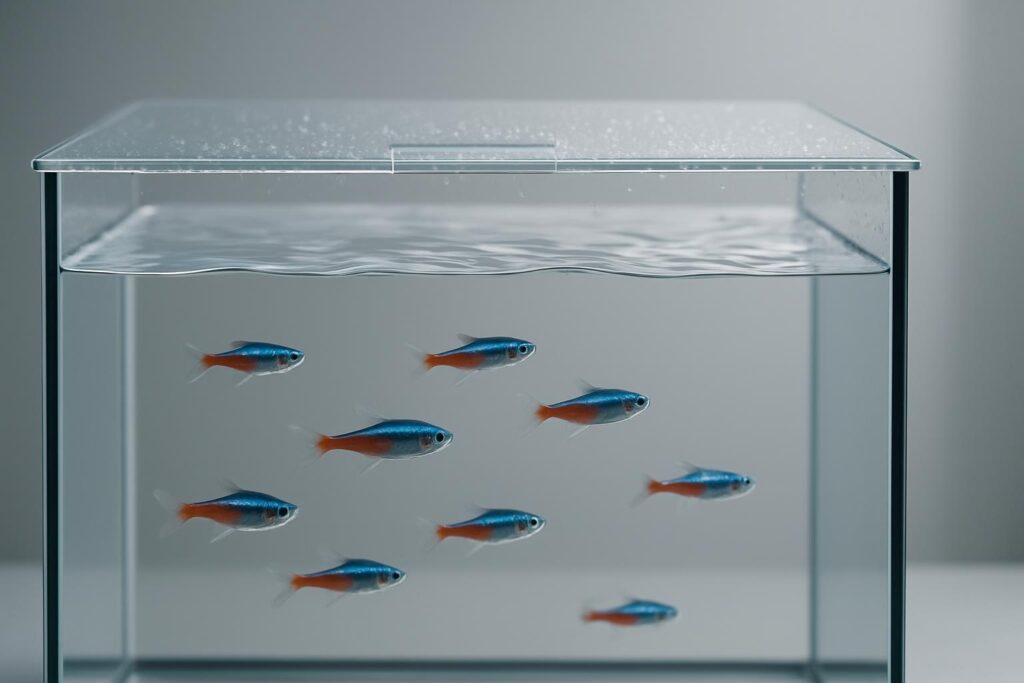
Aquarium lids are not optional accessories. They are essential equipment that protects fish, stabilizes water, and keeps your home cleaner and safer. Without a lid, many fish will jump, water will evaporate faster than you expect, and your system will struggle to stay consistent. This guide shows why every aquarium needs a lid, how to choose the right one, and how to set it up so your fish and plants thrive.
Introduction
A good lid solves two of the most common aquarium problems: fish escapes and evaporation. It also reduces contamination, noise, and heat loss. The right design will not block oxygen or light. With a few setup details, a lid becomes a quiet partner that keeps your aquarium stable and low-maintenance.
Fish Jumps Are Common and Preventable
Why Fish Jump
Fish jump when startled, chased, or stressed by poor water quality. Some leap while feeding or during courtship. New fish are more likely to panic and bolt upward. Even calm species can jump during a night fright or a sudden light switch. It only takes one second for an uncovered tank to become a tragedy.
Species That Are Prone to Jumping
Surface-hugging fish are high risk. This includes hatchetfish, halfbeaks, killifish, rainbowfish, danios, and many livebearers. Gobies, wrasses, and dartfish in marine tanks are notorious jumpers. Bettas, gouramis, and other labyrinth fish can jump too, especially when exploring. Shrimp and snails do not jump, but they crawl through gaps with ease.
How a Proper Lid Stops Escapes
A lid must close all exits. The front, back, corners, and equipment cutouts need to be covered. Hinged feeding doors should latch. Cable and tubing pass-throughs should be snug. A tight mesh screen or a fitted glass cover eliminates launch paths while keeping airflow. The goal is simple: fish cannot find a hole, even during a sudden sprint.
Other Animals That Wander
Snails, shrimp, and crabs can climb airline tubing or silicone seams and slip out through small openings. Frogs and newts are escape artists. A lid with fine mesh inserts or foam-filled grommets at every cable point blocks these routes. A little attention to detail stops surprise disappearances.
Evaporation Is a Hidden Problem
What Evaporation Does to Your Tank
Uncovered tanks lose water faster than most beginners expect. As water evaporates, dissolved substances stay behind. In freshwater, hardness and total dissolved solids slowly rise if you only top off with tap water. In saltwater, salinity rises between top-offs if you do not replace with pure freshwater. Evaporation also cools or warms the tank unpredictably and exposes hardware like heaters and filter intakes.
How Lids Stabilize Water and Parameters
A well-fitted lid slows evaporation and holds in humidity right above the surface. This keeps water depth stable, reduces drift in hardness and salinity between water changes, and protects equipment from running dry. Less evaporation means fewer sudden parameter swings and a steadier environment for fish, corals, and plants.
Benefits for Your Home
Evaporated water does not disappear. It enters your room. Lids reduce indoor humidity spikes, which protects walls, furniture, and electronics. In marine tanks, lids also reduce salt spray that crusts on lights and nearby surfaces. Less mess means easier maintenance and a cleaner setup.
Top-Off Routines Become Simpler
With a lid, you top off less often. For freshwater, use dechlorinated freshwater for top-offs. For marine, use pure freshwater such as RO or DI for top-offs to maintain salinity. Because the lid slows loss, keeping levels steady becomes a quick, predictable task.
Oxygen and Gas Exchange: Do Lids Suffocate Tanks
Lids Do Not Block Oxygen When Set Up Correctly
Fish get oxygen from water that interfaces with air at the surface. A lid does not stop this if there is airflow and surface movement. Most lids are not airtight. They have hinges, gaps, or mesh that allow steady gas exchange. The key is agitation at the surface and a path for moist air to vent.
How to Ensure Strong Gas Exchange
- Direct your filter outlet or a small powerhead to ripple the surface.
- Add an air stone or sponge filter if the surface is still.
- Use a ventilated lid, or leave small intentional vent slots near the back, away from jump zones.
- Keep the surface clean. Remove oily films during water changes.
Signs you need more gas exchange include fish hovering near the surface, persistent surface scum, or a stale smell. Increase agitation and ventilation immediately if you see these signs.
Temperature and Energy Stability
Lids Slow Heat Loss and Swings
A lid acts like a barrier against drafts and room temperature swings. It helps heaters work less and keeps temperatures steadier overnight. In a power outage, a lid helps retain heat for longer, buying you time to respond.
Summer Overheating Precautions
Some lights and pumps add heat. In hot weather, a solid lid can trap warmth. If your tank runs warm, increase airflow with a fan or switch to a mesh lid temporarily. Aim for a balance that holds fish inside but still releases excess heat. Always monitor temperature and adjust equipment placement or light schedules when seasons change.
Types of Aquarium Lids
Glass Lids
Glass is clear, heavy, and scratch resistant. It resists warping and cleans easily with vinegar. Many glass lids include a plastic back strip you can cut to fit cables and filter intakes. Glass can be brittle and heavier to handle. It can trap more heat than mesh but less than fully sealed plastics if you keep small vent gaps.
Acrylic and Polycarbonate Lids
Acrylic and polycarbonate are light and strong. They insulate well and resist shattering. Polycarbonate handles humidity and heat better and is less likely to bow than acrylic. Both can scratch and may need support to prevent sagging on wider spans. They are great for custom cutouts and complex equipment layouts.
Mesh or Screen Tops
Mesh lids stop jumpers while maximizing airflow and light penetration. They are preferred for reef tanks and warm systems that need gas exchange. They do not reduce evaporation as much as solid covers, so expect more frequent top-offs. Use fine mesh to block small fish and shrimp.
DIY Options
Many aquarists build lids from window screen kits, polycarbonate sheets, or acrylic panels. DIY allows precise cutouts for external filters, lily pipes, skimmer hoses, and cables. Ensure edges are smooth, corners are supported, and materials are safe for aquarium use.
Features That Matter
Feeding Doors, Hinges, and Handles
Hinged lids with feeding flaps make daily care easy. Handles prevent drops and chipped corners. Choose hardware that resists rust and opens quietly to avoid spooking fish. Latching flaps reduce escape risks.
Cutouts and Cable Management
Back strips or grommets let you route power cords, air lines, and filter pipes. Keep these openings tight. Use foam or rubber gaskets to close gaps around hoses. The goal is clean routing with no fish-sized holes.
Light Mounting and Moisture Protection
Lids protect lights from splashes and condensation. For non-waterproof fixtures, maintain a small air gap and use a condensation tray if needed. Waterproof lights rated for wet areas reduce risk. If your lights run hot, use mesh or vented lids and raise the fixture to prevent heat buildup.
Condensation Management
Condensation returns water to the tank if guided correctly. Lids with small slopes or inner lips prevent drips outside the glass. Keep hinges clean so water flows back into the aquarium. Wipe mineral buildup so doors close fully and seals work as intended.
Picking the Right Lid for Your Setup
Freshwater Community Tanks
A glass lid with a fitted back strip is a reliable default. It reduces evaporation, keeps fish inside, and works with most hang-on-back filters. Add a small vent or use a slightly short back strip for gentle airflow, and maintain surface ripples.
Bettas and Other Labyrinth Fish
These fish breathe air and appreciate warm, humid air above the surface. A solid lid that holds humidity is helpful, but keep vents and surface agitation to maintain oxygen. Block all gaps. Bettas will explore tiny openings.
Shrimp and Nano Tanks
Nano tanks evaporate quickly. A tight glass or polycarbonate lid stabilizes water levels and protects delicate shrimp. Use fine mesh for any ventilation sections to prevent escapes.
Planted Tanks With CO2
Use a ventilated solid lid or a glass lid with intentional small vent gaps. Maintain strong surface movement to prevent excess CO2 buildup at night. Keep condensation off lights and ensure cables for CO2 equipment pass through snug cutouts.
Marine and Reef Tanks
Choose a mesh or screen top to keep jumpers in and maximize gas exchange and light delivery. This reduces salt spray on lights while avoiding heat buildup. Expect more evaporation than with solid lids and plan a consistent freshwater top-off routine to hold salinity steady.
Paludariums and Ripariums
Semi-aquatic setups need high humidity and reliable containment for amphibians. A tight lid with screened vents prevents escapes while allowing airflow. Protect lights from condensation and route misting lines through sealed cutouts.
Measuring, Fitting, and Sealing Gaps
How to Measure
- Measure the inner rim length and width, not the outer glass.
- Note braces, filter hangers, and rim shapes that affect fit.
- Plan cutouts for equipment before ordering or cutting materials.
Seal Gaps Safely
- Use plastic back strips, foam weatherstripping, or rubber grommets for cables.
- Leave small vent slots near the back to avoid stale air while blocking launch paths.
- Secure the lid with clips so it cannot shift during maintenance or if a pet jumps on it.
First-Week Checks
- Observe fish at lights-on and lights-off when startle jumps are common.
- Check for condensation patterns and adjust slopes so water drips back into the tank.
- Confirm heaters and filters do not touch the lid and that cords do not prop it open.
Maintenance Routine
Weekly Quick Clean
Wipe the underside of the lid to remove condensation film and mineral spots. Clean feeding doors so they close flush. Inspect gaskets and back strips for gaps.
Monthly Deep Clean
Remove the lid and soak mineral buildup areas with a vinegar solution. Rinse thoroughly with freshwater. Avoid soap or detergents. Dry hinges and metal parts before reinstalling to prevent corrosion.
When to Replace
Replace lids that are cracked, heavily scratched, cloudy, or warped. If hinges fail to close flat or back strips no longer grip, upgrade or refit. Clear lids and tight seals are worth the small cost because they protect your livestock.
Troubleshooting
Condensation Dripping Outside the Tank
Level the lid, add a slight inward tilt, and clean the hinge so water flows back into the aquarium. Install an inner lip or drip edge if your design allows it.
Fish Gasping at the Surface
Increase surface agitation with filter positioning or an air stone. Add or enlarge a rear vent gap. Remove surface films during water changes. Ensure the lid is not pressed flat against the rim without any ventilation path.
Moldy or Stale Smell
Boost ventilation, clean the lid more often, and confirm there is continuous surface movement. Reduce organic waste by adjusting feeding and cleaning prefilters.
Warped or Sagging Lid
Add center support, switch to thicker material, or move to polycarbonate or glass for wide spans. Replace parts that no longer sit flat to keep seals tight.
Safe Setup Notes
- Do not rest heaters against lids. Leave clearance for heat to escape.
- Keep lights raised or ventilated if they run warm. Moisture and heat shorten their life.
- Do not seal a tank airtight. Always allow gentle airflow.
- Block every gap that a fish or shrimp could find during a sprint.
Conclusion
A lid does three critical jobs. It keeps your animals inside the aquarium, it slows evaporation to stabilize your water, and it protects your room and equipment from humidity and spray. With proper ventilation and surface movement, a lid will not reduce oxygen. Choose a style that fits your livestock and lighting, seal the small gaps, and maintain it with simple cleaning. The result is a safer, cleaner, and more stable aquarium that is easier to enjoy every day.
FAQ
Q: Do aquarium lids reduce oxygen for fish?
A: No. With surface agitation and a path for airflow through hinges, vents, or mesh, a lid does not suffocate the tank. Keep the surface rippling and avoid sealing the aquarium airtight.
Q: Will a lid stop my fish from jumping out?
A: Yes. A well-fitted lid that closes off corners, cable cutouts, and feeding doors eliminates escape routes. Use fine mesh or snug back strips to block small gaps.
Q: How does a lid reduce evaporation and why does that matter?
A: A lid slows water loss, keeping levels and parameters steadier. It reduces hardness and salinity drift between water changes, protects equipment from running dry, and lowers humidity and salt spray in your home.
Q: Which lid type should I choose for a reef tank or a planted tank with CO2?
A: For reef tanks, use a mesh or screen top to keep jumpers in while maximizing gas exchange and light. For planted tanks with CO2, use a ventilated solid lid or glass with small vent gaps and maintain strong surface movement.
Q: How do I clean and maintain my aquarium lid?
A: Wipe the underside weekly and deep clean monthly with a vinegar solution, then rinse well. Avoid soap. Check hinges, clips, and seals, and replace lids that are cracked, cloudy, or warped.