
We are reader supported. When you purchase through links on our site, we may earn an affiliate commission. Also, as an Amazon affiliate, we earn from qualifying purchases.
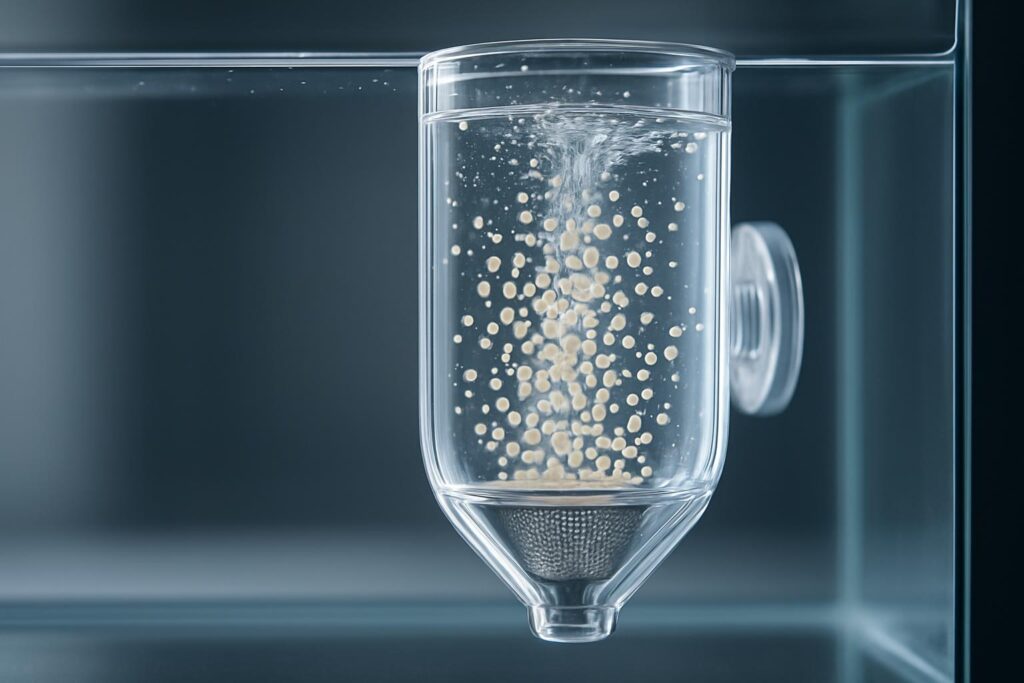
Keeping cichlid and pleco eggs alive without the parents is challenging. An aquarium egg tumbler gives you steady water flow, oxygen, and gentle movement that mimics natural fanning. Done right, it stops dead spots, reduces fungus, and raises hatch rates. This guide explains what matters in a tumbler and reviews five solid options that beginners can use with confidence.
Why use an egg tumbler for cichlids and plecos
Cichlids often mouthbrood or lay eggs on a flat surface. Plecos lay adhesive clutches in caves. When a parent abandons the eggs, when a male pleco is inexperienced, or when fungus threatens a batch, a tumbler can rescue the spawn. It supplies constant clean water and keeps eggs gently moving so debris and fungus do not settle.
Key benefits at a glance
Steady oxygenation from uplifted water. Gentle motion that reduces egg smothering. Controlled environment independent of parental care. Higher hatch rates with proper tuning.
How to choose the right egg tumbler
Capacity and egg size
Match tumbler volume to species and spawn size. Mouthbrooding cichlids with smaller clutches can use compact models. Large South or Central American cichlids and big plecos may need a higher volume unit.
Flow control and diffuser design
Look for precise airflow adjustment and a well-designed diffuser plate or cone that creates even, upward movement. You want continuous rolling, not bouncing.
Mesh fineness and fry safety
Fine mesh or tight slots prevent newly hatched fry from escaping. For tiny species, a finer screen helps.
Build quality and cleaning
Thick acrylic and snug seals reduce leaks and flex. Easy disassembly makes cleaning safer and faster between batches.
Mounting and compatibility
Reliable suction cups or hang-on brackets keep the tumbler stable. Most units are air-driven and need an external air pump, airline tubing, and a control valve.
How to set up and tune any egg tumbler
Initial steps
Rinse all parts. Place the tumbler inside or on the rim of your tank or a breeder tank with matching water parameters. Connect airline with a control valve to your air pump.
Flow tuning
Set airflow so eggs are in gentle, continuous motion. They should roll softly without slamming into walls or bouncing upward. Reduce flow if eggs knock around. Increase slightly if any eggs sit motionless or collect debris.
Clean water and monitoring
Use established, clean aquarium water. Remove any white, opaque, or fungused eggs promptly. Keep the diffuser and screen free of biofilm. Check flow at least twice a day early on.
Top 5 aquarium egg tumblers for cichlids and plecos
1. Ziss Aqua ZET-65 Egg Tumbler
The ZET-65 is a favorite among breeders for reliable, even flow and excellent build. It handles most mouthbrooding cichlids and smaller pleco clutches well. Its diffuser and screen keep eggs moving smoothly and protect tiny fry after hatch.
Why it helps: Consistent flow path with fine screening reduces dead spots and fry loss. Sturdy construction resists warping and makes tuning predictable.
Best for: African mouthbrooders like mbuna and peacocks, dwarf Central American cichlids, small to medium pleco species.
Potential downsides: Capacity may be tight for very large clutches from big plecos or jumbo cichlids. Air pump and valve required but not included.
Setup tip: Start with moderate bubbles and increase just until all eggs rotate. Recheck flow after the first hour as any trapped air clears.
2. Ziss Aqua ZET-80 Egg Tumbler
The ZET-80 ups the capacity for larger spawns. It keeps the same quality diffuser design but offers more room and better handling of bigger, heavier eggs. If you breed large haps, peacocks, Frontosa, or bigger plecos, this is a strong match.
Why it helps: Extra volume spreads eggs out, reducing collisions. The controlled upward current supports heavy eggs without harsh movement.
Best for: Large African cichlids, South American cichlids with big eggs, common and larger pleco species with big clutches.
Potential downsides: More air is needed to move the larger water column. Space requirements are higher inside a small tank.
Setup tip: Place it where tank circulation will not push against the upward flow. Stable placement keeps the current even.
3. JOR Aquarium Fish Incubator Egg Tumbler
JOR offers a budget-friendly acrylic tumbler that many home breeders use as a first setup. It is simple, effective, and easy to mount. With correct tuning, it will carry a standard mouthbrooder clutch through to hatch.
Why it helps: Straightforward design and easy disassembly help with fast cleaning between batches. It provides dependable egg motion when paired with a decent air pump.
Best for: Beginner cichlid breeders, small to medium clutches, backup for unexpected mouthbrood releases.
Potential downsides: Suction cups can loosen on dirty glass. Tighter control of fine flow may take practice compared to premium models.
Setup tip: Clean the glass well before mounting. Add an in-line control valve and check valve for precise adjustment and safety.
4. Pssopp Aquarium Fish Egg Incubator Tumbler
This generic-style tumbler focuses the uplift through a conical bottom, which helps maintain a steady, centered roll. It is a practical option for a range of cichlid eggs and small pleco batches.
Why it helps: The cone brings eggs together in the sweet spot of the flow, reducing dead zones around the edges. Fine mesh helps retain fry after hatch.
Best for: Mbuna, peacocks, smaller South American cichlids, and pleco clutches that have been separated from the male.
Potential downsides: Plastic thickness can vary by batch. Inspect seals and tighten fittings before use to avoid micro-leaks.
Setup tip: Seed the tumbler with tank water taken mid-column, not from the substrate layer, to reduce detritus entering the unit.
5. UFRUMATE Fish Egg Incubator for Cichlids
UFRUMATE markets a compact tumbler with a simple bracket mount and an internal diffuser plate. It is beginner friendly and works well in community or breeder tanks where space is limited.
Why it helps: Small footprint, easy mount, and a diffuser that makes tuning straightforward. Good for handling modest clutches without crowding.
Best for: New breeders, quarantine setups, and hobbyists who need a second tumbler on short notice.
Potential downsides: Less headroom for large clutches. As with most compact units, airflow needs fine tuning to prevent eggs from sticking at the sides.
Setup tip: Rotate the diffuser slightly during priming to release trapped air, then set final airflow once the chamber is fully flooded.
Care tips that boost hatch rates
Tune for gentle, uniform motion
Eggs should never slam or ride high. Continuous soft rolling improves gas exchange and keeps surfaces clean.
Maintain clean, stable water
Match temperature, pH, and hardness to the breeding tank. Perform small, regular water changes to keep waste low.
Remove bad eggs early
White or opaque eggs will not hatch and can foul the rest. Remove them with tweezers or a pipette as soon as you see them.
Protect newly hatched fry
Reduce airflow slightly once most eggs hatch so fry are not forced strongly against screens. Feed appropriate first foods once yolk sacs are absorbed.
Which one should you choose
If you want proven performance and plan to breed often, pick Ziss ZET-65 for typical clutches or ZET-80 for larger eggs and batches. If you are new and want a budget start, JOR or Pssopp delivers solid results with careful tuning. For tight spaces or as a backup, UFRUMATE is a compact, practical choice.
Conclusion
An egg tumbler is a straightforward tool that can save an entire spawn of cichlids or plecos. Focus on even flow, gentle motion, and clean water. Choose a size that fits your species and clutch size, and tune the airflow so eggs never sit still or bounce. With these basics and any of the five tumblers above, beginners can achieve consistent hatches and grow healthy fry.
FAQ
Q: Do plecos always need an egg tumbler
A: No. Use a tumbler when a male abandons eggs, when parents eat eggs, or when fungus threatens a batch.
Q: How strong should the flow be in a tumbler
A: Set airflow so eggs roll gently and continuously without bouncing or slamming. Increase if any eggs sit motionless and reduce if eggs knock around.
Q: Do egg tumblers need an air pump
A: Most tumblers are air-driven and need an external air pump, airline tubing, and a control valve.
Q: What size tumbler should I get
A: Match capacity to species and clutch size. Use compact models for small mouthbrooders and larger units like ZET-80 for big pleco or large cichlid clutches.
Q: How do I prevent fungus on eggs
A: Keep water clean, ensure steady gentle motion, and remove any white or opaque eggs promptly.