
We are reader supported. When you purchase through links on our site, we may earn an affiliate commission. Also, as an Amazon affiliate, we earn from qualifying purchases.
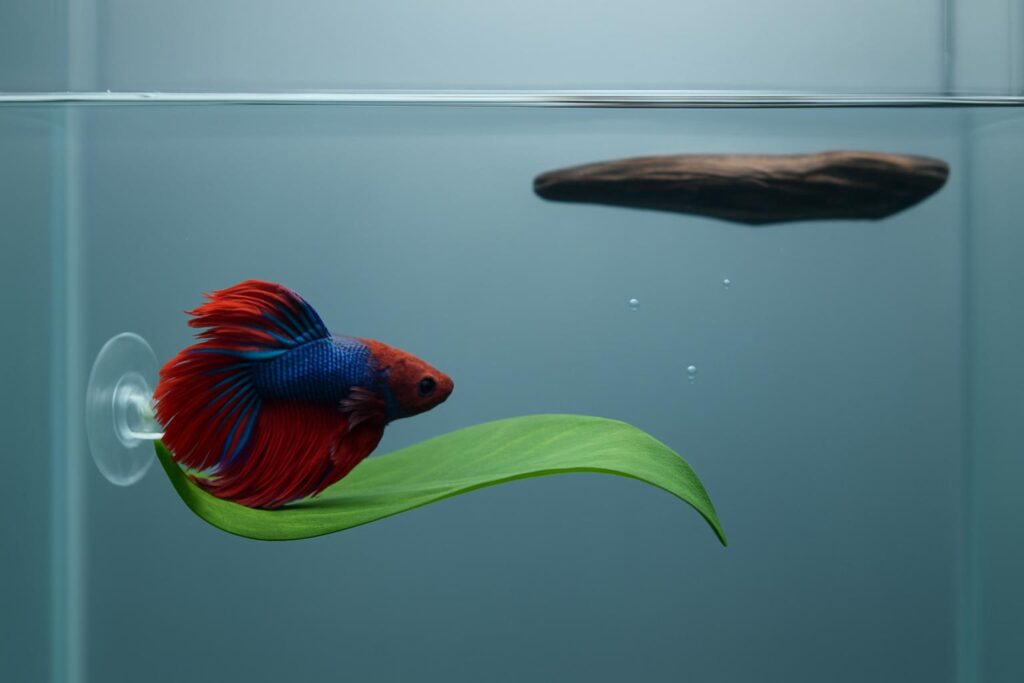
Betta fish rest often. In nature they lounge on broad leaves near the surface, then dart up to breathe. In a tank, a good resting platform reduces stress, supports natural behavior, and keeps fins from dragging on rough decor or filter intakes. This guide compares five reliable, beginner-friendly platforms that work in real tanks in 2026, with clear pointers on placement, maintenance, and safety.
What Makes a Great Betta Resting Platform in 2026
Soft edges and flexibility prevent snags on delicate fins. Secure suction is crucial so the platform does not drop overnight. Shallow placement near the surface helps your betta reach air with minimal effort. Inert, aquarium-safe materials avoid leaching. Low-profile designs fit nano tanks and do not block flow. Easy cleaning matters because biofilm and algae build up quickly in warm betta setups.
The 5 Best Betta Resting Platforms for 2026
Zoo Med Betta Bed Leaf Hammock
The classic single-leaf hammock with a sturdy suction cup. It sits neatly under the waterline and gives your betta a secure, slightly flexible pad to perch on. The leaf shape encourages natural lounging and quick dashes to the surface.
Why it helps: Simple, stable, and proven. The leaf’s contour supports a relaxed posture while reducing the distance to breathe.
Best for: Small to mid-size bettas, nano tanks, and first-time keepers who want a set-and-forget option.
Potential downsides: Suction cups on any product can fatigue over time. Check and re-seat during water changes.
Setup tip: Place 1–2 inches below the surface and out of the filter outflow to keep the perch calm.
Penn-Plax Betta Hammock Leaf with Suction Cup
A low-profile leaf with a compact cup that fits even tight corners. The surface is smooth and easy to wipe, and the stem angle helps you fine-tune the height for your fish’s preferred rest zone.
Why it helps: Adjustable angle makes it simple to set a gentle, stable platform exactly where your betta likes to pause.
Best for: Betta owners who want precise positioning in smaller tanks or around live plants.
Potential downsides: If placed too close to decor, your betta may avoid it. Leave a small approach space.
Setup tip: Test two spots for a day each. Your betta will quickly show a favorite side of the tank.
LUFFY Betta Bed Leaf Hammock by JOR
A slightly textured, flexible leaf that many bettas find comfortable. The profile is broad enough for larger-bodied fish, and the build stays light so it does not sag much with water movement.
Why it helps: Texture adds grip without being abrasive, which helps fish settle quickly after a burst of activity.
Best for: Active bettas that weave through plants and need a wider landing pad near the surface.
Potential downsides: Slightly thicker stems can cast a small shadow. Position away from dim corners if your fish prefers brighter spots.
Setup tip: Pre-soak the leaf in tank water for 10 minutes to relax the material and improve suction hold.
Zoo Med Floating Betta Log
A floating cylinder that doubles as a rest zone and a hide. It aligns with the waterline, offering shade and a calm interior. Many versions include a small top opening for quick surface access during feeding.
Why it helps: Floating height matches your betta’s need to breathe at the surface while reducing exposure to strong currents and bright light.
Best for: Shy or easily stressed bettas that prefer overhead cover and like to lounge in dimmer spaces.
Potential downsides: Takes more room than a leaf. Ensure there is open swimming space to avoid crowding.
Setup tip: Let it settle at the waterline, then position away from filter outflow so the log stays steady.
SunGrow Betta Bed Leaf Hammock
This model focuses on simplicity and strong adhesion. The leaf sits flat and stable, and the cup seats well on clean glass. It blends unobtrusively with both planted and minimalist scapes.
Why it helps: Consistent platform height plus a smooth resting surface reduces fin wear and daily effort.
Best for: Keepers who prioritize reliable suction and easy cleaning in warm, low-flow betta tanks.
Potential downsides: If algae builds on the cup, adhesion can slip. Clean the glass spot before mounting.
Setup tip: Mount near a broad-leaf plant to create a natural two-stop rest area your fish can rotate through.
Placement, Care, and Safety
Find the Height Your Betta Prefers
Start 1–2 inches below the surface. This distance lets your fish breathe easily without a hard sprint. If your betta spends time midwater, raise the platform slightly. If it rests on the substrate often, lower it a bit so the perch is a natural stop on the way up.
Keep Water Calm Around the Perch
Position out of direct filter outflow. Bettas prefer a stable rest point and will ignore platforms buffeted by current. In tiny tanks, baffle the filter or angle the output away from the perch.
Check Edges and Suction Weekly
Run a fingertip over the leaf edge and stem to confirm smoothness. Rinse biofilm from the leaf and clean the glass contact area. Reseat the suction cup if it shows bubbles or wiggle.
Clean Without Soap
Wipe with a soft algae pad or cloth in dechlorinated water during water changes. Soap and detergents can harm fish, even in small residues.
Use Two Rest Spots if Space Allows
A second platform on the opposite side gives choice and reduces boredom. Combine a leaf hammock near brighter light with a shaded option like a floating log if your fish seeks variety.
How We Chose
These picks are simple to mount, stable near the surface, easy to clean, and widely used by betta keepers. They support natural behaviors without cluttering a small tank. Each product has predictable pros and manageable trade-offs, and all fit typical betta setups ranging from compact desktops to standard 5–10 gallon homes.
Conclusion
A good resting platform is not decor. It is daily comfort and energy savings for a fish built to breathe from the surface. Choose a platform with a smooth, stable perch, set it within easy reach of air, and keep it clean. Whether you go with a classic leaf hammock or a floating log for shaded rest, the right choice will make your betta more confident, calmer, and visibly more comfortable.
FAQ
Q: How high should I place a betta hammock
A: Start 1–2 inches below the surface so your betta can breathe with minimal effort, then adjust based on where your fish naturally spends time.
Q: Do I need more than one resting platform
A: If space allows, two perches on opposite sides give choice and encourage natural movement without crowding the tank.
Q: How do I keep the suction cup from falling
A: Clean the glass contact area, rinse biofilm off the cup weekly, and re-seat it out of direct filter outflow for a stable hold.
Q: Can a floating log replace a leaf hammock
A: Yes, especially for shy bettas that like shade. Place the log at the waterline away from strong current so it stays steady.
Q: How should I clean a betta resting platform
A: Wipe with a soft pad in dechlorinated water during water changes and avoid soap or detergents.