
We are reader supported. When you purchase through links on our site, we may earn an affiliate commission. Also, as an Amazon affiliate, we earn from qualifying purchases.
Frag plugs are small, simple, and absolutely critical to reef success. They help you secure frags fast, keep them stable in flow, and make swaps or rescapes painless. In 2026, there are more choices than ever, but a few stand out for reliability, fit, and coral growth. This guide breaks down exactly what matters, then reviews the 3 best reef tank frag plugs to use this year.
How to choose reef frag plugs in 2026
Material: ceramic vs aragonite
Ceramic plugs are high-fired, pH stable, and ready after a quick rinse. They resist leaching and keep the water chemistry steady. Aragonite or aragocrete plugs are heavier and blend into live rock better. Their microtexture encourages coralline algae, but some batches benefit from a short soak if the maker recommends it.
Stem and top sizes that fit
Most racks and egg crates are sized for a 1/2 inch stem. This is still the most universal fit in 2026. A top around 1 inch gives enough surface area to glue frags without hogging space on racks. If you run tight racks or crowded gardens, consistency in stem diameter matters more than brand name.
Surface texture and color
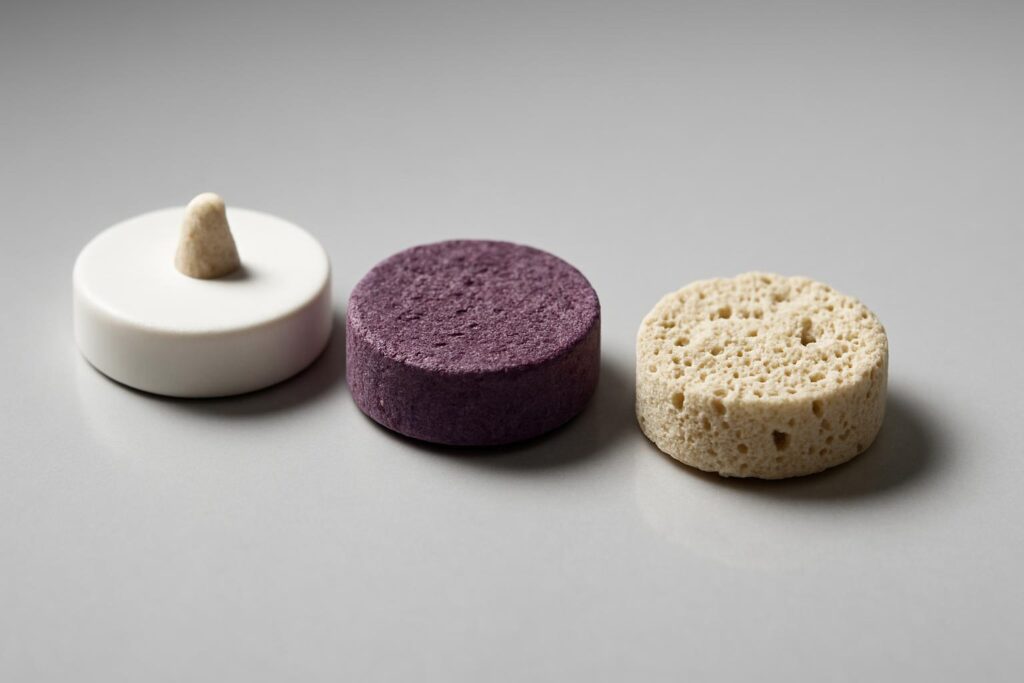
A lightly textured top holds gel glue better than a slick surface. Color is personal preference. White ceramic shows early film algae but makes pests easier to spot. Purple-toned plugs blend into reef scapes and coralline, helping the frag plate disappear sooner.
Prep and safety
Rinse new plugs to remove dust. Fired ceramic plugs usually need only a rinse. Cement-based aragonite plugs may benefit from a soak if the manufacturer advises it. Use cyanoacrylate gel reef glue. In high-flow tanks, a small ring of reef-safe putty under the plug head plus gel glue on top makes a strong, vibration-proof bond.
The 3 best reef tank frag plugs for 2026
1) Oceans Wonders Ceramic Coral Frag Plugs
Oceans Wonders remains a standard because its sizing is consistent and the ceramic is clean. The 1/2 inch stem fits typical egg crate and magnetic racks without wobble, and the ~1 inch top gives ample gluing area for LPS, zoanthids, and SPS nubs. The lightly textured ceramic face grabs gel glue, so frags stay put even in higher flow.
Why it helps: Stable fit, clean ceramic, and reliable dimensions reduce failure points when you are learning to mount frags. That consistency also matters for racks full of identical mounts where minor size deviations can cause tilt.
Best for: Everyday fragging, racks and egg crate systems, frag growers who want predictable sizing across large batches.
Potential downsides: The light color highlights early film algae. If you force the stem into undersized holes, ceramic can chip. Measure your rack slots and avoid over-tight fits.
Key notes: Rinse before use. Pair with gel glue; add a small putty ring if you plan to mount on uneven rock.
2) ReefCreators Purple Ceramic Frag Plugs
ReefCreators focuses on plug texture and a coralline-purple finish that blends quickly into mature scapes. The 1/2 inch stem and roughly 1 inch crown are rack-friendly, and the gritty top surface makes a strong bond with gel adhesives. The purple tone reduces the visual contrast that white plugs create, which helps the eye focus on coral growth rather than hardware.
Why it helps: A textured, purple surface hides in plain sight and encourages early biofilm and coralline cover without distracting from polyp color. This is useful for display tanks where frag plugs are part of the view.
Best for: Display frag racks, zoanthid gardens, and mixed reefs where aesthetics matter as much as function.
Potential downsides: Any color finish that is too smooth can reduce glue bite if it is glossy. These plugs are lightly textured, but still press and twist the frag into the glue to maximize contact.
Key notes: Quick rinse is enough. Use medium-thick gel glue. For chunky LPS bases, score the plug face lightly with a blade to add even more grip.
3) Lifegard Aquatics Aragocrete Frag Plugs
These aragocrete plugs are heavier than ceramic, which helps them sit flat and resist lift in strong flow. Their micro-porous texture holds glue well and blends visually with live rock. The stems are cut for common rack slots, and the tops provide generous surface area for SPS bases and encrusters that spread outward.
Why it helps: Extra mass and aragonite texture favor stability and fast encrustation. In tanks with energetic tangs or turbulent gyres, heavier plugs move less when bumped.
Best for: High-flow SPS systems, frag grow-out shelves near powerheads, and scapes where you want a natural rock look from day one.
Potential downsides: Some cement-based batches may benefit from a pre-soak if the maker recommends it. The porous top can trap detritus if placed in dead spots; aim for moderate flow around frags.
Key notes: Rinse thoroughly; if directed, soak and test pH in a small container of tank water. Use gel glue, and consider a thin putty gasket on uneven rock.
Setup tips to get stronger mounts
Use gel glue the right way
Dry the frag base and plug face with a paper towel. Add a pea-sized dome of cyanoacrylate gel on the plug. Press the frag in and twist a quarter turn to break the skin and increase contact. Hold for 20–30 seconds before placing in the tank.
Stack glue and putty for uneven rock
For mounts on live rock, set a thin ring of reef-safe putty under the plug head, then add gel glue between putty and rock. Glue bonds to the putty skin and to the rock, while putty fills gaps so the plug does not rock or vibrate.
Choose the right pack size
Start with a 20 to 30 pack. You need extras for practice, mishaps, and future propagation. Keeping a small reserve also lets you act fast if a frag pops loose.
Racks, egg crate, and stem fit
Most racks and egg crate accept a 1/2 inch stem. If your rack holes are tight, lightly ream with a drill bit by hand rather than forcing a ceramic stem. A snug, not jammed, fit stops wobble without chipping the plug.
Conclusion
You need frag plugs that fit racks cleanly, grip glue reliably, and blend into the scape. Oceans Wonders delivers consistent ceramic sizing and easy handling. ReefCreators adds purple coloration and grip for display-friendly mounts. Lifegard Aquatics brings aragonite weight and texture for high-flow stability. Pick the material and look you prefer, stick with the universal 1/2 inch stem, and follow simple prep to reduce failures. With the right plugs and a clean gluing technique, frags settle faster and grow out with fewer surprises.
FAQ
Q: What size frag plug stem fits most racks and egg crate?
A: A 1/2 inch stem is the most universal fit for standard egg crate and many magnetic racks.
Q: Which material is better, ceramic or aragonite?
A: Both are reef safe; ceramic is fired and algae-resistant, aragonite blends with rock and encourages coralline algae; choose based on look and weight.
Q: How many plugs should a beginner start with?
A: Start with a 20 to 30 pack so you have backups for mishaps and planned propagation.
Q: Do I need to cure ceramic plugs before use?
A: Fired ceramic plugs typically need only a quick rinse, while cement-based aragonite plugs may benefit from a soak if the manufacturer states it.