
We are reader supported. When you purchase through links on our site, we may earn an affiliate commission. Also, as an Amazon affiliate, we earn from qualifying purchases.
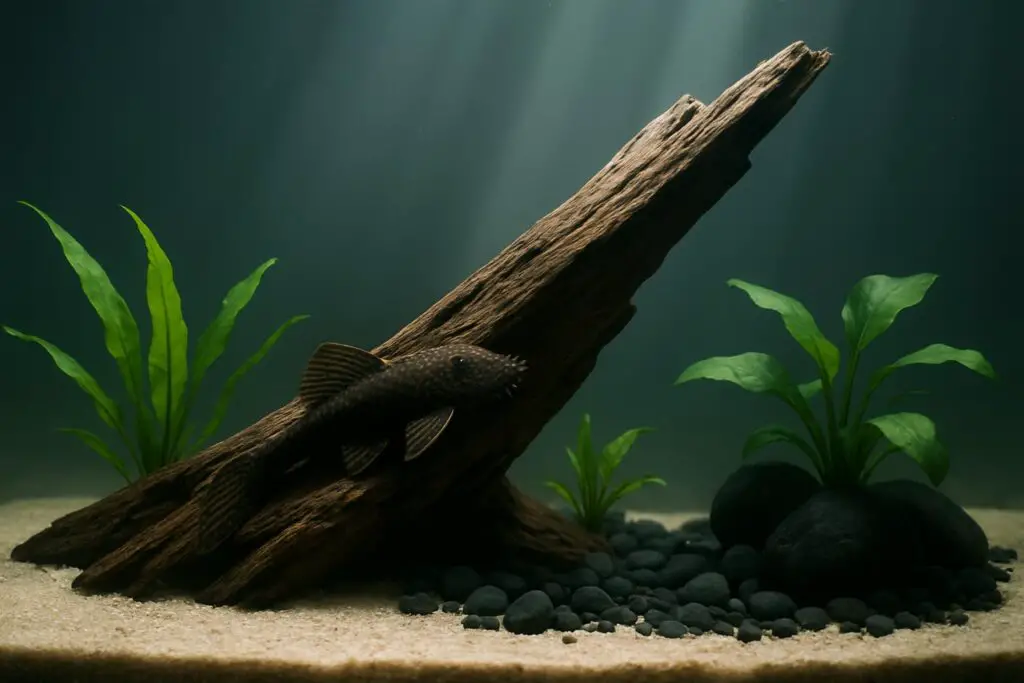
Bristlenose plecos are hardy, helpful algae grazers that fit well in many community aquariums. New keepers often ask one key question first. Do they need driftwood to live and thrive. The short answer is that they can live without wood, but they do better with it. Driftwood supports natural behavior, gut health, biofilm grazing, and stress reduction. It also anchors the aquascape and gives your pleco a place to rasp and hide. This guide explains why wood matters, how to choose and prepare it, and how to care for bristlenose plecos step by step.
Quick Answer First
Do bristlenose plecos need driftwood
Not strictly required, but strongly recommended. Driftwood offers a continuous surface for biofilm and algae, a source of plant-based fiber, and secure cover. Many long-term keepers see better body condition, stronger activity, and more natural behavior when wood is present. If you cannot keep wood, you must compensate with varied foods, botanicals, and extra structure.
Why wood matters in a home aquarium
Bristlenose plecos rasp surfaces all day and night. Wood is safe to rasp, lasts a long time, and grows biofilm that plecos love to eat. It gives them a place to rest and a territory marker that reduces stress. It can also release mild tannins that support a healthy, stable microbiome.
Bristlenose Pleco Basics
Species profile
Common name bristlenose pleco, genus Ancistrus. Most grow to 4 to 6 inches. Lifespan ranges from 5 to 10 years with good care. They are peaceful bottom dwellers that are most active at night or in low light. Males develop head bristles as they mature. They prefer tanks with wood, rocks, plants, and multiple shelters.
Natural behavior
In the wild, Ancistrus graze on wood, stones, and leaves covered in periphyton, algae, and biofilm. They shelter under roots and branches. Adding driftwood gives them a familiar environment that supports constant grazing and reduces hiding stress.
Driftwood Benefits In Detail
Biofilm and algae grazing
Driftwood grows a steady layer of biofilm. This biofilm is a mix of microorganisms, algae, and detritus. Bristlenose plecos rasp this layer as a major food source. Even if your glass looks clean, wood surfaces hold more of the soft growth plecos prefer.
Fiber and gut health
Bristlenose plecos are not pure wood eaters, but they do ingest wood fibers while grazing. These fibers, along with plant matter from vegetables and wafers, help keep the gut moving. This supports digestion and reduces the risk of constipation or bloat when protein is fed in moderation.
Stress reduction and territory
Wood creates shade and line of sight breaks. This lowers stress, especially in community tanks. It also helps define territories for males and reduces minor disputes. A pleco that can claim a log or branch tends to be calmer and more active in a healthy way.
Water chemistry support
Many hardwoods release mild tannins. Tannins can lower pH slightly in low-buffer water and support a stable microbiome. The water may tint tea color, which is harmless for bristlenose. If you prefer clear water, use carbon or Purigen, or soak wood before use.
Breeding support
Wood alone does not replace a proper cave, but it supports male comfort and territory near the cave. Fry also benefit from biofilm on wood as a constant grazing surface. That reduces pressure on you to feed every hour during the first weeks.
Choosing the Right Driftwood
Safe wood types
Good choices include Malaysian driftwood, mopani, manzanita, spider wood, and cholla wood. These are hardwoods that sink well, last long, and hold biofilm. Malaysian and mopani sink fastest. Manzanita is clean and durable. Cholla is soft and full of holes that fry and shrimp love.
Woods to avoid
Avoid conifer woods like pine and cedar. Avoid any wood with sap, resin, or unknown chemical treatment. Do not use painted or varnished wood. If you collect wood outdoors, choose well seasoned hardwood free of soft rot and pests, and prepare it carefully.
Size and quantity guidelines
For one adult bristlenose, use at least one piece about 8 to 12 inches long with multiple faces to rasp. In larger tanks or with more plecos, add more pieces. Aim for two or three distinct grazing zones so fish do not compete at one spot.
Shape and placement
Choose pieces with a mix of smooth and textured areas. Place wood to create shade and caves, but keep it stable. Combine wood with stones or plants to lock it in place. Leave open swim areas for tankmates.
Preparing and Maintaining Driftwood
Soaking and boiling
Rinse the wood well. Soak in a tub with dechlorinated water for several days to several weeks until it sinks. Change the water often. Boiling for an hour helps reduce tannins and kills hitchhikers, but only if the piece fits safely in a pot. Do not use soap or chemicals.
Dealing with tannins
Brown tint is normal and safe. If you prefer less tint, pre-soak longer, use activated carbon, or perform small weekly water changes. Tannins usually fade over time.
White fungus and biofilm
New wood often develops a white, fuzzy film in the first weeks. This is harmless. Shrimp, snails, and plecos often eat it. If it bothers you, siphon it off during water changes. It will fade as the tank matures.
Long term care
Brush the wood gently during maintenance to remove loose debris. Avoid harsh scrubbing that strips biofilm. Replace wood if it becomes very soft or mushy. Most hardwoods last years.
If You Cannot Keep Driftwood
Useful substitutes
Cholla wood is soft and compact. Indian almond leaves and other botanicals add mild tannins and biofilm. Ceramic pleco caves and rough stone stacks provide structure. These do not replace hardwood fully, but they help.
Diet adjustments
Without wood, increase high fiber foods. Offer high quality algae wafers made with spirulina and kelp. Feed blanched vegetables several times per week. Provide gel foods with added fiber. Keep protein lower and focus on plant matter.
Understand the limits
Driftwood creates a stable grazing platform that substitutes cannot fully match. If possible, use at least one piece of hardwood. It makes the rest of your job easier.
Complete Care Requirements
Tank size
One adult bristlenose does well in a 20 gallon tank. A pair or a community with a pleco needs 30 gallons or more. More space reduces aggression and improves water stability.
Water parameters
Temperature 22 to 27 C, or 72 to 81 F. pH 6.5 to 7.8. GH 4 to 12 dGH. KH 3 to 10 dKH. Zero ammonia and nitrite. Keep nitrate under 20 ppm. Stability matters more than chasing a perfect number.
Filtration, flow, and oxygen
Use a filter that turns the tank volume 5 to 8 times per hour. Add an airstone or strong surface agitation. Plecos consume a lot of oxygen while rasping. Good flow prevents debris from settling under wood.
Lighting
Low to moderate light suits bristlenose plecos. Provide shaded areas under wood and plants. Dim or blue light at night encourages natural foraging.
Substrate
Fine sand or smooth gravel works well. Avoid sharp gravel that can wear down the mouth and belly as your pleco moves and rasps.
Plants and hardscape
Use hardy plants like Java fern, Anubias, Bolbitis, and moss on wood and stones. They tolerate pleco grazing and low light. Combine wood with rock to create secure, natural retreats.
Feeding Bristlenose Plecos
Staple foods
Provide a stable base diet of algae wafers or veggie pellets rich in spirulina and kelp. Look for products with whole plant ingredients. Rotate brands for variety if possible.
Vegetables and preparation
Offer blanched zucchini, cucumber, green beans, peas, broccoli stems, and squash. Sweet potato and carrot can be used in small amounts. Blanch until slightly soft, then cool and weigh down with a plant weight or a fork tine. Remove leftovers within 12 to 18 hours to prevent water issues.
Protein in moderation
Supplement protein once or twice per week. Use shrimp pellets, quality bottom feeder wafers, or a small portion of bloodworms. Too much protein can cause bloat and stress the liver. Keep the focus on plant matter and fiber.
Night feeding and portions
Feed near lights out to give your pleco first access. Start small and observe. The belly should look full but not swollen. If food remains after 12 hours, reduce the portion next time.
Supplements and extras
Repashy style gel foods made for grazers are excellent because they stick to wood and stones. Calcium is not usually an issue in water with moderate GH, but varied vegetables help cover mineral needs.
Tankmates and Community Planning
Good companions
Tetras, rasboras, peaceful barbs, corydoras, rainbowfish, apistos, dwarf gouramis, and most livebearers work well. Shrimp and snails are usually safe, though plecos may scavenge any dead or weak individuals.
Tankmates to avoid
Avoid fin nippers, large aggressive cichlids, and fish that harass bottom dwellers. Avoid species that dominate food at night, such as very boisterous loaches, unless you target feed the pleco.
Feeding in a community
Place wafers and vegetables near the plecos favorite wood or cave. Feed other fish on the opposite side first so the pleco can eat in peace. Use multiple feeding spots in larger tanks.
Breeding Notes
Caves are essential
Use a snug cave with one entrance, made from ceramic, PVC, or stone, roughly the body width of your male. Position the cave under or next to wood to create a secure territory.
Conditions for spawning
Keep temperature around 24 to 26 C, maintain excellent water quality, and feed well with plant foods and some protein. The male will guard eggs and fan them until hatching.
Fry care and feeding
Fry consume the egg sac first. Then they graze on biofilm and wood. Provide blanched vegetables, high quality spirulina foods, and crushed wafers. Wood with biofilm improves survival and growth.
Common Mistakes and How to Fix Them
Assuming algae is enough
A clean tank often lacks enough natural algae for a pleco. Always provide a dedicated diet of wafers and vegetables, plus wood for grazing.
Skipping wood and fiber
Without driftwood or botanicals, plecos often show poor body condition over time. Add wood, leaves, and high fiber foods. Watch for improvement in activity and belly fullness.
New tanks with no biofilm
In new setups, biofilm is thin. Supplement more with gel foods and vegetables. Add pre-soaked wood early to seed biofilm.
Overfeeding and water fouling
Vegetables rot quickly. Remove leftovers within a day. Use a prefilter sponge and gravel vacuum to control debris under wood and caves.
Misreading driftwood fungus
White film on new wood is not a crisis. Siphon, wait, and let the cleanup crew handle it. It fades as the tank matures.
Rough substrate and décor
Sharp gravel and jagged rocks can wear mouths and fins. Use smooth materials and sand. Ensure wood has no sharp edges in contact areas.
Ignoring oxygen needs
Plecos rasp nonstop and need oxygen. Increase surface agitation. Clean filters often. Keep water cool within the species range if oxygen is marginal.
Frequently Asked Questions
Do bristlenose plecos eat wood
They rasp and ingest small amounts of wood while feeding on biofilm. The fiber is helpful, but they rely more on algae, biofilm, and plant foods. Provide both wood and a balanced diet.
How much wood is enough
For one pleco, one medium piece with multiple faces is the minimum. More is better, especially in larger tanks. Provide at least two grazing zones in community tanks.
What if the water turns brown
Tannins are safe. If you do not like the tint, add carbon or Purigen and perform regular water changes. Pre-soak wood longer before adding it to the tank.
Can I use found wood from outdoors
Only if you are confident it is a safe hardwood and has not been exposed to chemicals. Remove bark, scrub, and boil or long-soak. Many keepers prefer store-bought driftwood for safety and convenience.
How long will wood last
Hardwoods can last for years. Soft woods and cholla break down faster. Replace when it becomes soft and spongy.
Putting It All Together
A simple setup plan
Start with a 20 to 30 gallon tank. Add a strong filter and an airstone. Use sand or smooth gravel. Place one or two pieces of Malaysian or manzanita wood, plus a ceramic pleco cave. Add hardy plants on the wood. Keep temperature around 24 to 26 C, pH near neutral to slightly alkaline, and good flow.
A simple feeding plan
Feed a quality veggie wafer every evening. Offer blanched zucchini or green beans three to four times per week. Add a small protein treat once or twice per week. Remove leftovers the next day. Observe the belly and adjust portions.
Conclusion
Bristlenose plecos do not strictly need driftwood to survive, but they benefit greatly from it. Wood encourages natural grazing, provides fiber and biofilm, reduces stress, and stabilizes the aquarium environment. Add safe hardwood, prepare it well, and maintain good water quality. Combine wood with a balanced plant-focused diet, strong oxygenation, and gentle tankmates. With these basics in place, your bristlenose pleco will thrive for years, and you will enjoy a cleaner, more stable, and more natural aquarium.