Set Up

Why do I need to add bacteria (e.g. AquaCare Bio-Boost) to my tank | Guide

New to aquariums? Learn how bottled bacteria jump-start your tank’s nitrogen cycle, protect fish from ammonia, and stabilize water during daily changes. This guide explains how nitrifying bacteria work, when to use products like AquaCare Bio-Boost, and stepwise dosing to keep your biofilter healthy and your fish safe from stress.

Why do I need to add bacteria (e.g. AquaCare Bio-Boost) to my tank | Guide Read More »

What is the best size aquarium to start with | Guide

Choosing the right aquarium size from the start makes everything easier. Larger volumes stabilize water, support healthier fish, and reduce maintenance headaches. This guide helps beginners pick the best starter tank for space, budget, and goals, with real stocking examples and simple tips that work for new hobbyists in practice.

What is the best size aquarium to start with | Guide Read More »

How can I get my fish to shoal in my aquarium | Guide

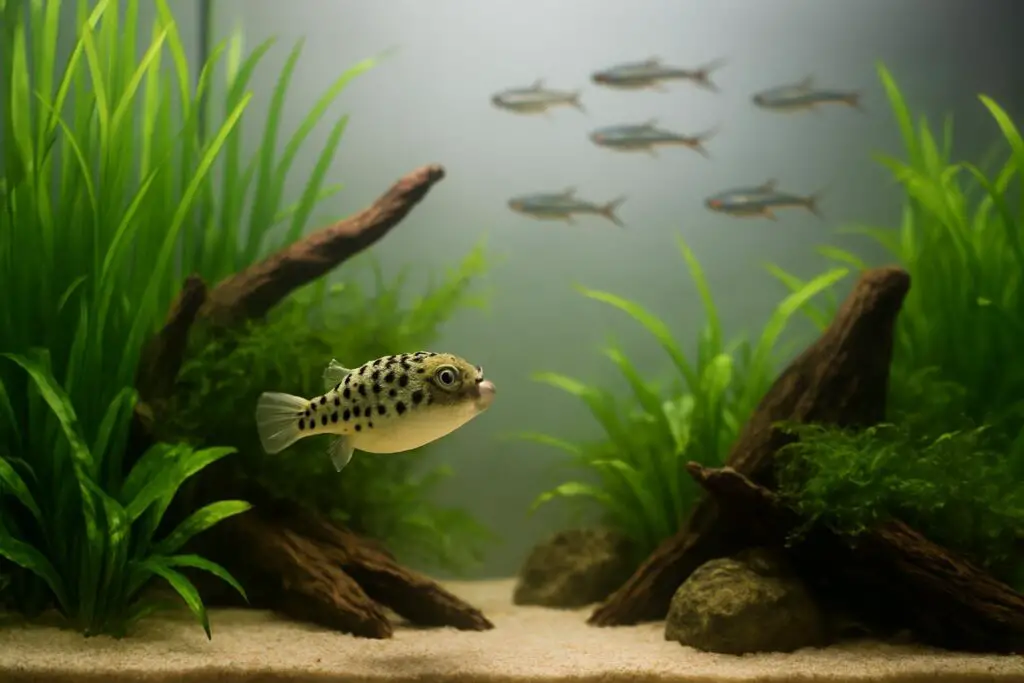
Shoaling fish move as a calm, synchronized group when they feel safe. This beginner guide explains the difference between shoaling and schooling, how to choose species, and how to design tanks, lighting, and routines that encourage natural group behavior. With patient setup and consistent care, your fish form confident schools.

How can I get my fish to shoal in my aquarium | Guide Read More »

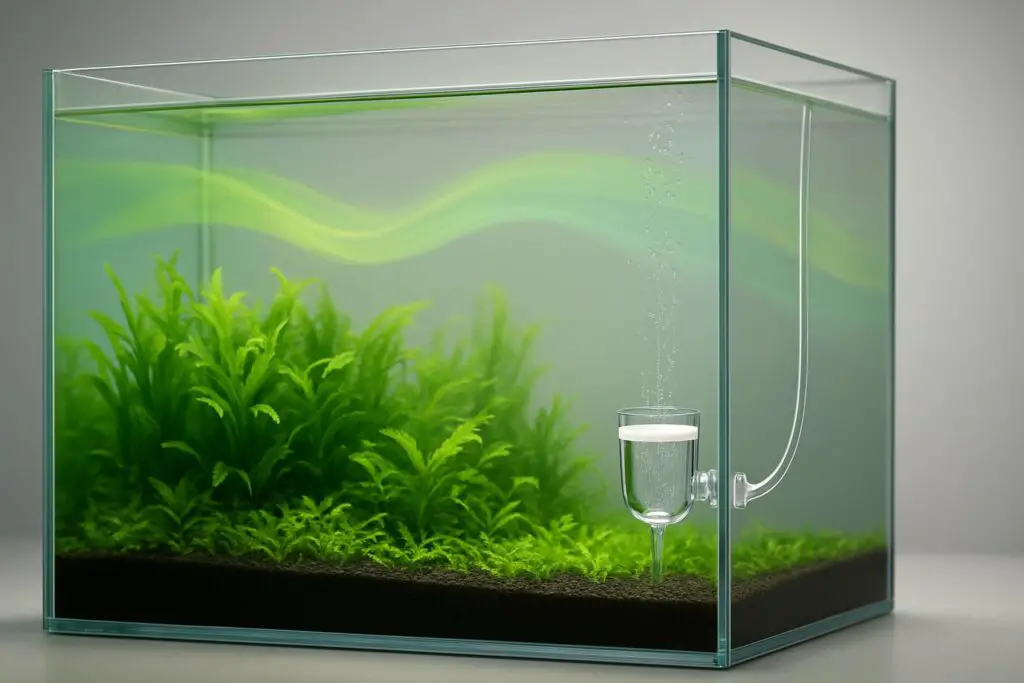
Why won’t my aquarium’s cloudy water clear up | Guide

Cloudy aquarium water can be frustrating, but most issues have simple causes and clear fixes. This beginner guide helps you identify milky blooms, tannins, green algae, dust, bubbles, and mineral precipitation, then apply targeted steps, cycling, proper feeding, filtration, and routine maintenance to restore clarity without harming your fish today.

Why won’t my aquarium’s cloudy water clear up | Guide Read More »

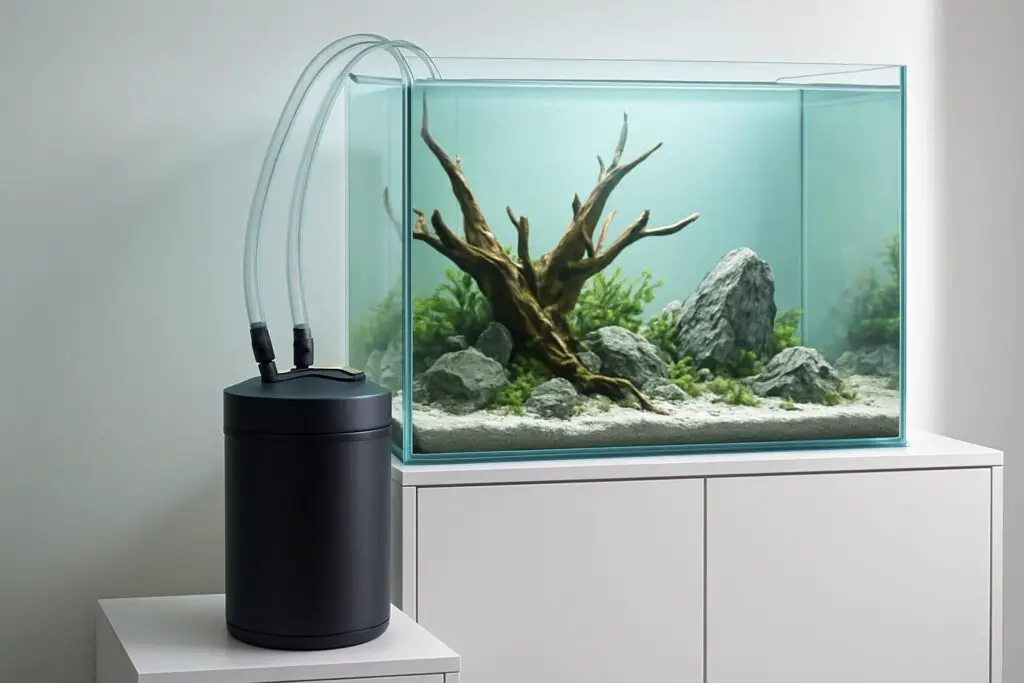
What’s the best way to swap my livestock to a new tank | Guide

Upgrading a tank is exciting yet stressful, but careful planning makes the swap safe and calm. Learn to protect beneficial bacteria, match temperature, pH, and salinity, and transfer livestock with minimal stress. This guide covers acclimation, biofilter seeding, and monitoring the first 72 hours to keep your aquatic family thriving.

What’s the best way to swap my livestock to a new tank | Guide Read More »

What’s the most effective way to lower my aquarium’s pH | Guide

Lowering an aquarium’s pH isn’t about chasing a number; it’s about easing the system into soft water. Start by reducing KH with RO/DI water, then introduce gentle acids from driftwood, leaves, peat, or aquasoil. Move slowly, test regularly, and maintain a stable blend for safer, healthier tanks, and happier fish.

What’s the most effective way to lower my aquarium’s pH | Guide Read More »

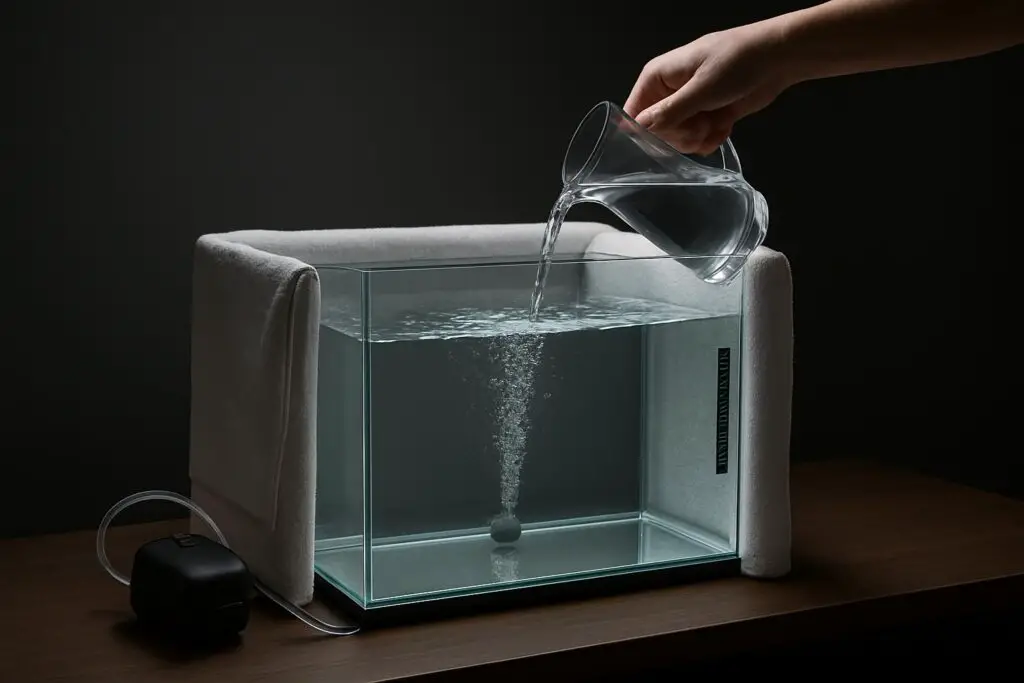
Do I need to quarantine my new fish, and if so how do I do it | Guide

Quarantining new fish protects your current tank, budget, and biofilm. This beginner guide walks you through why quarantine matters, how to set up a simple QT tank, a day-by-day routine, and safe transfer to the display tank. For freshwater or saltwater, prevention starts with careful observation and proper setup today.

Do I need to quarantine my new fish, and if so how do I do it | Guide Read More »