
We are reader supported. When you purchase through links on our site, we may earn an affiliate commission. Also, as an Amazon affiliate, we earn from qualifying purchases.
Your goldfish cannot tell you when something is wrong. They show it through small changes in behavior and appearance. If you learn what is normal and what is not, you can act early and avoid losses. This guide explains the common symptoms of illness in goldfish, what they often mean, and the steps you should take right away. The advice is beginner friendly and focuses on clear actions and prevention.
Introduction
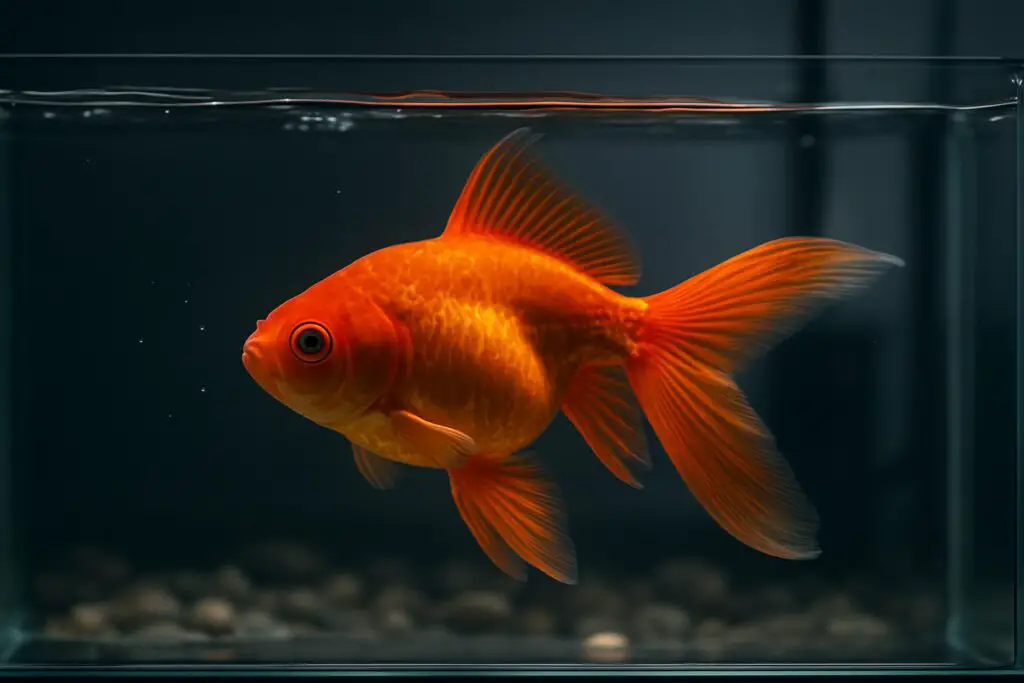
Healthy goldfish are active, curious, and hungry. Their fins are open, their gills move smoothly, and their scales look even and shiny. When something shifts in water quality, stress, or disease, goldfish show it fast. Early detection saves time, money, and the fish. Start by learning the baseline for your tank, then watch daily for deviations.
Why Early Detection Matters
Most goldfish illnesses start mild and become severe within days if conditions stay poor. Ammonia burns gills. Parasites multiply. Bacteria invade damaged tissue. The sooner you act, the more likely your fish will recover with simple steps like water changes, salt, and support care rather than heavy medication.
Know What Normal Looks Like
Before spotting sickness, define normal for your goldfish:
Steady swimming with fins wide open and no wobble. A strong interest in food. Clear eyes. Even scales. Smooth gill movement. No gulping at the surface. A smooth body line without swelling or pits. Waste is well formed and not stringy for long periods.
Observe at feeding and again at lights off or early morning. Write brief notes for a week. This becomes your reference.
Quick Overview of Common Symptoms
Behavior changes are usually the first warning. Watch for lethargy, hiding, gasping, clamped fins, rubbing on objects, loss of appetite, sudden skittishness, or isolation from the group.
Body changes follow if stress continues. Look for white spots, velvety dust, cottony tufts, red streaks in fins, frayed tails, ulcers, raised scales, bloating, sunken belly, pop-eye, or excess slime.
Any sudden change in multiple fish at once points to water quality. A single fish declining may be injury or localized disease.
Behavioral Symptoms You Should Not Ignore
Lethargy and Bottom Sitting
A goldfish that rests on the bottom or stays in one corner is stressed. Common causes include ammonia or nitrite exposure, high nitrate, sudden temperature swings, or internal infection. If the fish perks up after a water change, water quality was part of the problem.
Surface Gasping
Breathing at the surface usually signals low oxygen or gill irritation from ammonia, nitrite, or gill parasites. Increase aeration immediately and test the water. Goldfish produce heavy waste and need strong surface agitation and adequate filtration.
Clamped Fins
Fins held close to the body show stress. The cause can be cold shock, poor water, parasites, or early bacterial infection. Clamped fins often appear before visible skin changes.
Flashing or Rubbing
Scratching the body against decorations or the substrate is called flashing. This suggests skin or gill irritation. Typical causes are ich, flukes, or water irritants like chlorine or high ammonia. If multiple fish flash, test water immediately.
Loss of Appetite
Skipping meals or spitting out food can be due to low temperature, stress, internal parasites, mouth injury, or advanced disease. Goldfish normally eat eagerly. Appetite loss for more than a day with other symptoms needs action.
Breathing and Gill Signs
Rapid Gill Movement
Fast breathing without surface gasping suggests gill irritation or low oxygen. Check for ammonia, nitrite, high temperature, and poor aeration. Parasites like flukes also cause labored breathing.
One Gill Working
Breathing with one gill closed can indicate gill damage or parasites. Look for extra mucus or pale gills. Treat underlying causes after water tests.
Skin, Scales, and Body Changes
White Salt-like Spots
Small white pinhead dots across body and fins fit ich. It spreads fast. Isolate if possible and treat the whole tank because ich is contagious and has a waterborne stage.
Gold or Rusty Dust
A fine golden or rusty sheen suggests velvet. Fish may clamp fins and hide from light. Act quickly with a suitable medication. Improve aeration during treatment.
Cottony Patches
White fluffy growths point to fungus, often following injuries or poor water. Mild cases may respond to better water and salt. Severe cases may need medication.
Red Streaks and Inflammation
Red lines in fins, red patches on the body, or sore areas indicate stress, ammonia or nitrite burn, or bacterial infection. If water is good and streaks spread, escalate care and consider a vet or targeted antibacterial treatment.
Ulcers or Open Wounds
Deep sores are serious. They can be caused by bacterial infections such as Aeromonas and often follow parasitic or injury events. Isolate the fish, maintain pristine water, and seek veterinary guidance for antibiotics if ulcers are large or worsening.
Excess Slime Coat
A milky film or stringy mucus means irritation from poor water or parasites. Correct water first, then consider parasite treatment if signs persist.
Raised Scales and Swelling
Pineconing, where scales stand out, is called dropsy. It is a symptom of severe internal fluid buildup, usually from organ failure or systemic infection. This is urgent. Isolate, improve water, reduce stress, and consult a vet.
Fins and Tail Problems
Fin Rot
Edges of fins look ragged or frayed. Inflammation may follow the edge. Fin rot often improves with cleaner water and salt. If tissue continues to erode, bacterial treatment may be needed. Avoid sharp decor and overcrowding.
Clamped or Torn Fins
Clamped fins show stress. Tears can come from decor or aggression, but poor water delays healing. Maintain good water and provide smooth surfaces.
Eye and Head Symptoms
Pop-eye
One or both eyes bulge outward. Causes include injury, fluid imbalance, or infection. Check water, isolate the fish, and consider Epsom salt support in a hospital tank under guidance. Seek veterinary help if swelling increases.
Sunken Head or Pits
Sunken areas around the eyes or head indicate malnutrition, chronic infection, or long-term poor water. Review diet and improve conditions.
Swimming and Buoyancy Problems
Floating, Sinking, or Rolling
Buoyancy issues often come from diet, constipation, gulped air, infections, or physical deformities in fancy goldfish. Start with gentle steps: fast for 24 hours, then feed a small amount of skinned, cooked peas. Switch to sinking pellets. Keep temperature stable. If there is no improvement or if the fish struggles to breathe, isolate and seek help.
Waste and Feeding Clues
Stringy, Clear, or White Poop
Long, clear strings signal stress or poor digestion, and sometimes internal parasites. Review diet and water quality first. If fish lose weight while eating, consider an internal parasite treatment labeled for fish.
Overfeeding Risks
Overfeeding causes constipation, swim issues, and water pollution. Feed small portions that are eaten in under two minutes, once or twice daily. Skip one day per week to rest the digestive system.
Common Diseases and What They Look Like
Ich
Signs: white grains on skin and fins, flashing, clamped fins, rapid breathing. Treat the whole tank. Improve aeration. Use an ich medication labeled safe for goldfish and remove carbon from the filter during treatment. Maintain consistent temperature around 22 to 24 C if your goldfish are fancy types, slightly lower for commons, to speed the life cycle without overheating.
Velvet
Signs: gold dust appearance, clamped fins, hiding from light, irritation. Treat with a medication designed for velvet. Dim lights during treatment. Ensure strong oxygenation.
Flukes
Signs: flashing, excess slime, gill irritation, clamped fins, poor appetite. Flukes are common in goldfish. Treatments typically include praziquantel or similar medications. Follow label directions and repeat as needed to cover life cycles.
Fin Rot and Bacterial Infections
Signs: frayed fins, red edges, ulcers, lethargy. Start with water quality correction and salt. If tissue loss continues, consult a vet or use a targeted antibacterial medication. Never mix multiple medications without guidance.
Fungal Infections
Signs: cotton-like tufts on wounds or dead tissue. Improve water and use antifungal treatments if needed. Remove decaying organic matter and maintain good filtration.
Dropsy
Signs: swollen body with raised scales, lethargy, poor appetite. This is a symptom, not a single disease. Supportive care in a hospital tank with stable, warm end of the goldfish range, perfect water, and gentle aeration is key. An Epsom salt bath may help draw out fluid: 1 to 3 grams per liter in a separate container for 15 to 30 minutes with close monitoring. Stop if stress increases. Seek veterinary help for antibiotics if available.
Anchor Worm and Fish Lice
Signs: visible worm-like parasites or round lice on the body, redness around attachment points, flashing. Use a treatment labeled for crustacean parasites such as diflubenzuron or similar. Clean the tank thoroughly and repeat as directed to catch new hatchlings.
Immediate Steps When You Suspect Illness
1. Test the Water
Use a liquid test kit. Record ammonia, nitrite, nitrate, pH, and temperature. Targets for goldfish: ammonia 0 ppm, nitrite 0 ppm, nitrate under 20 to 40 ppm, pH stable 7.0 to 8.0, temperature 18 to 22 C for commons and comets, 20 to 23 C for fancy types.
2. Do a Partial Water Change
Change 30 to 50 percent using dechlorinated water matched for temperature and pH. Vacuum the substrate to remove waste. This often brings fast relief.
3. Increase Aeration
Add an airstone or raise filter output to boost surface agitation. Oxygen helps recovery and supports medication if needed.
4. Isolate the Sick Fish
Use a hospital tank if you have one. Bare bottom, seasoned sponge filter, heater only if required to stabilize within the goldfish range, and hiding places that are safe. Isolation lets you treat precisely and monitor closely.
5. Add Salt Carefully
Aquarium salt supports gill function and fights some parasites and bacteria. Goldfish tolerate salt well in short to medium terms. Consider a graduated dosage:
0.1 percent salt: 1 gram per liter, about 0.75 teaspoons per US gallon. Helpful for mild stress.
0.2 percent salt: 2 grams per liter, about 1.5 teaspoons per gallon. Useful for moderate external issues.
0.3 percent salt: 3 grams per liter, about 2.25 teaspoons per gallon. Use for tougher cases like early ich or mild fin rot if fish tolerate it.
Add in stages over 12 to 24 hours. Dissolve salt before adding. Replace only the salt removed during water changes. Do not use with plants or salt-sensitive tank mates. Do not mix salt with medications that advise against salt.
6. Feed Lightly or Fast Briefly
Skip feeding for 24 hours. Then offer small, easily digestible food. For constipation or buoyancy issues, feed a few skinned, cooked peas. Switch to sinking pellets and avoid flakes that trap air.
How to Examine Your Goldfish
Check the Whole Fish
Look from above and the side. Inspect fins, gills, scales, and eyes. Use a flashlight to see subtle dusting or slime. Note if the fish is asymmetric or has an injury.
Watch the Group
If more than one fish shows signs, the cause is likely environmental or contagious. If only one fish is affected, consider injury or localized disease, but still test water.
Water Quality: The Root Cause of Many Problems
Filtration and Maintenance
Goldfish need heavy filtration. Aim for a filter rated above your tank size. Rinse mechanical media in tank water, not tap water, to preserve bacteria. Replace chemical media like carbon as needed but avoid during medication. Keep bio-media stable.
Routine Schedule
Test water weekly. Do 30 to 50 percent water changes weekly for most goldfish tanks, more if stocking is heavy. Vacuum waste and uneaten food. Keep temperature and pH stable. Stability matters more than chasing a perfect number.
Nitrates and Long-term Stress
Even if ammonia and nitrite are zero, high nitrate weakens immunity. Keep nitrate under 20 to 40 ppm. Live plants can help, but goldfish may eat them. Large, regular water changes remain the best control.
Setting Up a Simple Hospital Tank
Basic Equipment
Use a 10 to 20 gallon bare-bottom tank, a seasoned sponge filter, and an adjustable air pump. Use a heater only to hold a stable temperature within the species range. Provide a simple hide like a PVC elbow. Keep lighting low to reduce stress.
Benefits
Hospital tanks let you medicate without harming plants or biofilters in the main tank. They also make dosing accurate and observation easier.
Medication: When and How
Start with Water and Salt
Many mild cases resolve with clean water and salt. Do not rush to mix multiple medications. Observe for 48 to 72 hours after basic corrections.
Use Targeted Treatments
Choose medications for the diagnosed issue such as ich, flukes, or bacterial infections. Remove carbon, increase aeration, and follow the label exactly. Continue the full course even if the fish looks better early.
Antibiotics and Veterinary Care
For ulcers, dropsy, or severe infections, a vet can prescribe antibiotics that are more effective and safer. Random use of antibiotics can fail and harm beneficial bacteria.
Monitoring Progress
What to Track Daily
Behavior changes such as activity and appetite. Gill movement. Condition of fins and lesions. Water parameters. Note any improvement within two to three days. If the fish worsens, reassess diagnosis and treatment.
When to Escalate
If breathing is labored, scales raise, ulcers deepen, or multiple fish show acute signs, escalate. Move to a hospital tank, increase aeration, and seek expert or veterinary advice.
Prevention: Build a Healthy Environment
Stocking and Space
Goldfish grow large and produce heavy waste. Provide generous tank volume and strong filtration. Avoid overcrowding. Overcrowding is a top driver of disease.
Quarantine New Fish
Quarantine new arrivals for 4 to 6 weeks in a separate tank. Observe for parasites or infections. This prevents outbreaks in the main tank.
Smart Feeding
Use high-quality sinking pellets and supplement with fresh vegetables like blanched spinach or peas. Avoid overfeeding and remove leftovers. A varied, moderate diet supports immunity.
Stable Conditions
Keep temperature stable and avoid rapid shifts. Dechlorinate all new water. Maintain pH and hardness consistently. Clean hands and tools before working in the tank.
Troubleshooting: Symptom to Action
If You See Gasping
Boost aeration, test water, change 50 percent, and check for chlorine. If water is fine, consider gill parasites and plan targeted treatment.
If You See White Spots
Assume ich. Treat the whole tank, increase aeration, and maintain stable temperature. Continue treatment long enough to cover multiple parasite cycles.
If Fins Are Frayed
Check ammonia and nitrite. Improve water. Add salt at 0.1 to 0.2 percent. If fraying advances, consider antibacterial medication or veterinary evaluation.
If Scales Are Raised
Isolate immediately. Perfect water and gentle aeration. Consider short Epsom salt baths. Seek veterinary help for systemic infection.
If Fish Is Floating or Sinking
Fast for 24 hours. Feed skinned peas next day. Keep temperature steady. Switch to smaller, sinking foods. If no improvement in a few days or if the fish is in distress, isolate and consult an expert.
Common Mistakes to Avoid
Adding Multiple Medications at Once
Mixing treatments can harm fish and bacteria. Use one treatment at a time unless a professional directs otherwise.
Skipping Water Testing
Clear water can still be toxic. Always test before and during treatment. Fix the environment before blaming disease.
Chasing Numbers
Do not swing pH or temperature trying to hit a specific number. Aim for safe ranges and stability. Sudden changes stress fish.
Overfeeding Sick Fish
Sick fish digest poorly. Small, easy meals or fasting helps recovery and keeps water clean.
Example Care Plan for a Sick Goldfish
Day 1: Test water. If ammonia or nitrite is above zero, do a 50 percent water change with dechlorinated, temperature-matched water. Increase aeration. Observe fish closely. Do not feed for 24 hours.
Day 2: If behavior improves, maintain daily 30 percent water changes until stable. If flashing or white spots appear, begin appropriate treatment. If fins are clamped and fish is stressed, add salt at 0.1 percent, increasing slowly.
Day 3: If signs persist or worsen, escalate salt to 0.2 percent or start a targeted medication for the diagnosed issue. Move to a hospital tank if needed. Feed a small portion of sinking pellets or peas if appetite returns.
Day 4 to 7: Continue treatment per label, keep water pristine, and monitor. If there is no improvement by day 3 to 4, reassess diagnosis or consult a vet.
When to Seek Professional Help
Get help if you see large ulcers, pineconing, persistent rapid breathing, repeated deaths, or if multiple fish decline despite clean water and basic care. A veterinarian with fish experience can perform diagnostics and prescribe effective medications that are not available over the counter.
Conclusion
Detecting illness in a goldfish starts with daily observation and a solid routine. Behavioral changes such as lethargy, gasping, clamped fins, flashing, and appetite loss are early alarms. Body signs such as white spots, frayed fins, cottony growths, red streaks, ulcers, swelling, and raised scales tell you the issue is advancing. Your first response should be clear: test water, change water, increase aeration, and consider salt. Then diagnose and apply targeted treatment if needed. Keep your tank stable, avoid overcrowding, quarantine new fish, feed sensibly, and track your observations. With these habits, you will catch problems early, treat effectively, and keep your goldfish healthy for the long term.