
We are reader supported. When you purchase through links on our site, we may earn an affiliate commission. Also, as an Amazon affiliate, we earn from qualifying purchases.
Discus are stunning, intelligent fish, but they are not forgiving. Most problems come from unstable water, rushed introductions, or poor routines. The good news is that nearly every common issue has a clear fix if you act early and keep things consistent. This guide gives you practical solutions you can use today, written for new keepers who want reliable results.
Before You Buy Discus: Prep Prevents Problems
Understand Their Needs
Discus need warm, clean, stable water and a calm environment. They are social and do best in groups. They dislike sudden changes and heavy traffic around the tank. If you set up their environment correctly from day one, many issues never appear.
Tank Size and Stocking
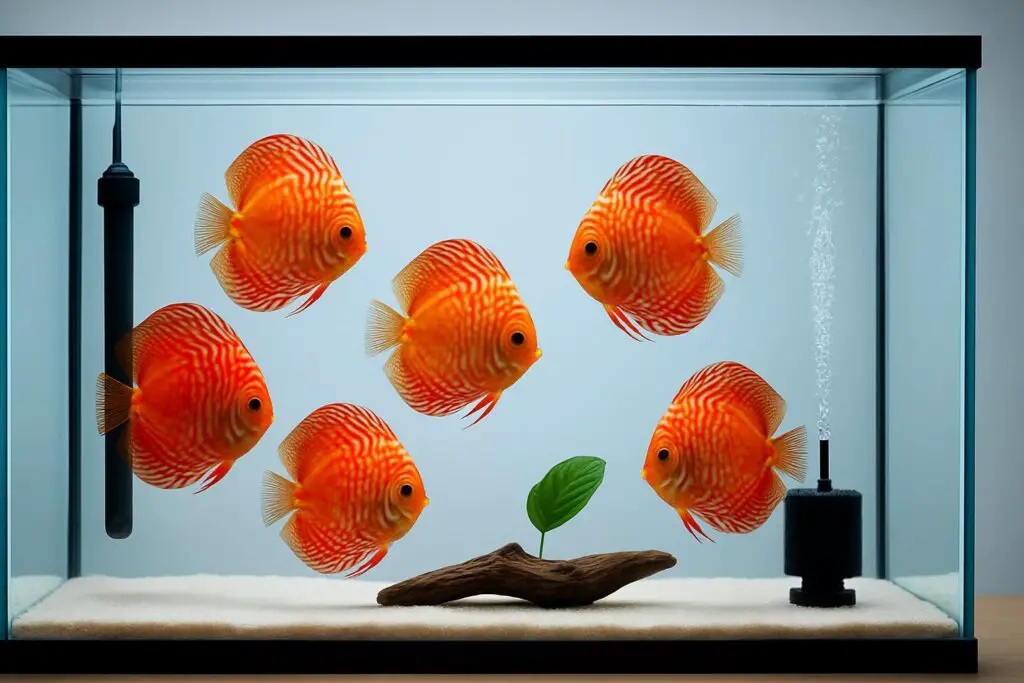
Plan at least 55 gallons for a small group. Six discus is a good starting number because it spreads aggression. For adult stocking, aim for roughly 10 gallons per adult fish. Overcrowding invites stress, disease, and poor growth. Understocking causes bullying because the pecking order focuses on fewer targets. Choose one approach: a bare-bottom tank for easier cleaning and growth, or a lightly planted tank once you are comfortable with maintenance.
Cycle and Stability
Your tank must be fully cycled before discus arrive. Ammonia and nitrite must be zero. Nitrate should stay under 20 ppm, under 10 ppm is ideal. Run the system for several weeks with an established filter and test often. Do not add discus during a cycle. Stability is more important than chasing perfect textbook numbers.
Water Parameter Targets
Keep temperature between 82 and 86°F, which is 28 to 30°C. Domestically bred discus usually do well at a pH of 6.5 to 7.2. General hardness around 1 to 6 dGH and carbonate hardness around 1 to 4 dKH works for most. TDS in the range of 120 to 200 ppm is safe for domestics. Aim for zero ammonia, zero nitrite, and low nitrate. If your tap water is much harder, you can still keep domestic discus if everything else is stable, or you can blend RO water and remineralize to reach a gentle range.
Equipment That Protects Your Fish
Use two heaters or a heater with a controller to avoid temperature swings. Add a reliable digital thermometer. Provide strong but gentle filtration with large bio-media and a prefilter you can rinse often. Sponge filters add safe aeration. Keep lids tight because discus jump when stressed. Use a timer for lights to maintain a regular day length.
Acclimation and Quarantine
Drip Acclimation That Works
Discus react badly to sudden changes. Float the bag to match temperature, then move the fish to a clean bucket with their bag water. Start a slow drip from the tank to the bucket over 45 to 60 minutes. Net the fish and place them in quarantine. Do not pour bag water into your tank. Keep lights low on the first day and let them settle.
Quarantine Protocol
Quarantine for 4 to 6 weeks. Use a bare-bottom tank, a seeded sponge filter, heater, and cover three sides to reduce stress. Feed lightly and watch behavior. This step prevents parasites and bacteria from entering your main tank. It also lets new discus build strength before meeting established fish.
What to Watch During Quarantine
Look for clamped fins, heavy breathing, one gill stuck closed, scratching on objects, white stringy feces, weight loss, or sores. Keep a daily log of temperature, feeding, and behavior. Test water regularly. Quick notes help you catch trends early.
Water Quality Issues
Ammonia and Nitrite Spikes
Any reading above zero harms discus. If you see a spike, stop feeding for 24 hours, perform a large water change of 50 to 70 percent, dose a conditioner that detoxifies ammonia and nitrite, and increase aeration. Check your filter for clogs, and reduce cleaning to gentle rinses in tank water. Do not replace all media at once. Feed less until the cycle stabilizes.
Nitrate Creep
High nitrate reduces appetite and immunity. If nitrate rises above 20 ppm, increase water changes to two or three times a week. Vacuum waste thoroughly, especially in bare-bottom grow-out tanks. Reduce overfeeding. Consider adding floating plants in lower-temperature tanks, but remember most plants are slow at 84°F. Water changes remain the most reliable control.
pH Swings and KH
Discus hate big pH swings. A low KH under 2 dKH can allow crashes. If your KH is very low, add a small buffer or blend in tap water with RO to hold KH near 2 to 3 dKH. Avoid chasing pH with strong chemicals. Target a stable number and stick with it.
Temperature Problems
Cool water slows immunity and digestion. High heat lowers oxygen. Use a reliable heater and verify with a thermometer. Keep 82 to 86°F. If fish are panting at the surface, increase surface agitation and lower temperature to the normal range. Do not rely on room temperature or sunlight.
Chlorine, Chloramine, and Tap Surprises
Always dechlorinate new water. Some cities switch disinfectants seasonally. Dose for chloramine if present. If fish darken or clamp fins after water changes, test for chlorine, match temperature, and slow your refill speed. Pre-heat and aerate stored water if possible.
Hard Water vs RO
Domestic discus can adapt to moderate hardness if you keep it stable. If your tap is very hard and you want optimal breeding or coloration, use RO water and remineralize to a gentle level. Do not swing TDS and pH between changes. Mix water exactly the same every time.
Behavior and Stress Problems
Hiding and Darkening
New discus often hide, darken, and refuse food. Keep lights dim for a few days, cover three sides, maintain warm stable water, and offer small amounts of high quality food. Avoid tapping the glass or hovering for long periods. Dark backgrounds and substrates can also cause darker coloration. Use a medium tone background for balance.
Bullying and Pecking Order
Discus establish rank. Chasing and pecking are normal, but nonstop harassment is not. Keep at least six fish to spread aggression. Add line-of-sight breaks with wood or tall plants. Place multiple feeding spots so the weakest fish can eat. If one fish is relentless, use a divider for a few days, then reintroduce. Avoid mixing large adults with tiny juveniles.
Skittish Fish
Fast movements and loud rooms keep discus on edge. Place the tank away from slamming doors and speakers. Use a gentle current and moderate light. Feed at the same times every day so they learn your routine. Calm fish are easy to care for.
Night Stress and Lighting
Sudden lights on or off cause panic. Set a timer. Turn on room lights first, then tank lights, and reverse at night. A dim night light helps prevent nighttime spooking and injuries.
Feeding Issues
New Discus Not Eating
Do not force food on day one. Keep temperature at 84 to 86°F, reduce stress, and offer small feedings of quality pellets or frozen foods they know. Live blackworms can trigger appetite but must be clean and used sparingly. If they still refuse after several days, review water parameters and check for parasites.
Diet Variety and Schedule
Feed juveniles three to four small meals per day. Feed adults one to two meals. Use a mix of high quality discus pellets, frozen brine shrimp, frozen mysis, and a clean beef heart mix if you prefer. Rotate foods to cover nutrients. Soak dry foods briefly so they sink slowly and are easy to eat. Remove uneaten food within ten minutes.
Overfeeding and Water Impact
Leftovers rot and spike ammonia. If you see cloudy water or a film on the surface, you are feeding too much or your filter is overdue for maintenance. Cut portions, feed smaller meals, and clean prefilters often. Keep a neat bottom in grow-out tanks; detritus is the enemy of health.
Constipation and Bloat
Fish that stop passing normal feces, swell, and lose appetite may be constipated. Fast for 24 hours. Offer easy foods like brine shrimp. An Epsom salt bath can help at 1 tablespoon per 10 gallons for 24 hours, but do not repeat often. If the fish is pineconing or gasping, suspect infection and prioritize water quality while you seek targeted treatment.
White Poop Confusion
White or clear feces can signal stress, empty gut, or internal flagellates. Do not medicate at the first string you see. Check water, temperature, and appetite. If a fish is eating poorly, losing weight, and passing persistent white feces, consider a targeted treatment for flagellates as described later.
Common Diseases and Clear Treatments
Gill Flukes
Signs include rapid breathing, one gill closed, head shaking, and flashing. Water can be perfect yet fish struggle. Treat with praziquantel or a flubendazole product according to label instructions. Remove carbon, increase aeration, and repeat as directed to catch hatching stages. Prazi is gentle on discus and often the first choice.
External Parasites and Ich
Small white spots, rubbing, and fast breathing suggest ich. Discus live warm, which slows ich, but it can still occur. Heat alone is not always enough. Salt can irritate discus long term, so use caution if you choose it and keep doses low. Many keepers use a formalin malachite green medication at a reduced dose. Follow the label, remove carbon, add strong aeration, and treat the full course. Prevent reinfection by cleaning the bottom well and maintaining temperature in the normal range.
Bacterial Fin Rot and Body Lesions
Frayed fins, red edges, and open sores often follow poor water or nipping. First correct water quality and reduce aggression. Many mild cases heal with cleaner water and stable heat. If the infection advances or ulcerates, use a proven broad spectrum antibiotic in a hospital tank. Do not dose the display tank if you can avoid it, because antibiotics can damage your biofilter.
Internal Flagellates and Hexamita
Symptoms include weight loss despite some eating, hollow belly, persistent white feces, dark coloration, and isolation. Treat with metronidazole in food if the fish is still eating, or in water in a hospital tank if not. Raise temperature to 86°F for the treatment period to support immunity and increase metabolism. Perform frequent water changes and keep oxygen high. Do not use metro without clear signs. Overuse reduces effectiveness.
Worms Such as Camallanus
Red worms protruding from the vent are Camallanus. Treat with levamisole or fenbendazole according to label instructions. Clean the bottom daily through the course to remove expelled worms and eggs. Repeat the treatment schedule to break the life cycle. Quarantine new fish to prevent this problem.
Hole in the Head
Small pits around the head and lateral line can develop from long term stress, poor diet, and unstable water. Maintain very clean water, feed a varied vitamin rich diet, and avoid old carbon that can shed dust. Treat any underlying parasites. Early cases often reverse with husbandry alone. Advanced cases need veterinary support.
When to Medicate and When Not To
Rule one is fix water and reduce stress. Many mild issues resolve after large, frequent water changes and steady heat. Medicate when you have specific signs pointing to a known problem. Use the right drug, at the right dose, for the full course. Increase aeration during treatments and remove carbon. Do not mix multiple medications unless a protocol calls for it.
Oxygen and Filtration Problems
Gasping at the Surface
Possible causes include low oxygen, high temperature, ammonia, nitrite, or gill parasites. Increase surface agitation immediately. Lower temperature to 82 to 84°F if it was higher. Test water. If ammonia or nitrite is present, do a large water change and condition the water. If water is perfect, consider gill flukes and treat accordingly.
Filter Maintenance Without a Crash
Rinse sponges and mechanical media in a bucket of tank water, not under the tap. Clean only part of the media at once to protect beneficial bacteria. Prefilters trap most debris and are easy to rinse weekly. Deep clean canisters on a schedule but avoid stripping them sterile. Steady filtration equals steady fish.
Power Outage Prep
Heat and oxygen drop fast in warm discus tanks. Keep battery air pumps on hand. Insulate the tank with blankets to hold temperature. Avoid feeding until power returns. After the outage, test water and do a partial change to refresh oxygen and remove any buildup.
Aesthetics vs Health
Peppering in Pigeon Blood Strains
Small black specks on pigeon blood discus increase with dark backgrounds and substrates. This is cosmetic, not a disease. Use light or medium backgrounds and lighter sand to reduce peppering. Keep water pristine to help colors look clean.
Plants That Tolerate Warmth
High heat limits plant choices. Reliable options include Amazon swords, Java fern, Anubias, and some Cryptocoryne species. These tolerate 82 to 86°F if nutrition and CO2 are adequate. Keep lighting moderate and avoid large sudden trims that change water chemistry. Do not overdo fertilizers in new tanks. Balance plant care with fish needs.
Substrate Choices
Bare bottom is easiest for juveniles and disease control. Fine sand looks natural but can trap waste. If you use sand, vacuum lightly and often. Avoid sharp gravel that can damage discus mouths when they pick at the bottom.
Tank Mates and Community Issues
Safe Companions
Choose calm fish that enjoy warm water. Good options include cardinal tetras, rummy nose tetras, Sterbai corydoras, and small groups of peaceful dwarf cichlids that match the temperature. Add tank mates after your discus are established and eating well.
Species to Avoid
Avoid fin nippers, fast feeders, and boisterous fish. Many barbs, some tetras like serpae, and large cichlids stress discus. Be cautious with angelfish due to parasite sharing and competition. Avoid cool water species entirely.
Feeding Competition
Community tanks create feeding pressure. Feed discus first, in multiple spots, with sinking foods they can find. Distract faster fish with a small feeding on one side while you target feed discus on the other. Watch that the smallest discus gets food every time.
Breeding Complications in Community Tanks
Pair Aggression
Pairs turn territorial when preparing to spawn. They will chase others and can injure tank mates. If aggression spikes, add a divider, move the pair to a breeding tank, or rearrange hardscape to break territories. Do not let harassment continue unchecked.
Protecting Fry and Adults
Discus parents secrete a skin slime that feeds fry. Community tanks rarely allow successful rearing because tank mates eat eggs and harass parents. If you want fry, use a dedicated breeding tank with a cone or vertical surface, gentle filtration, and rigorous cleanliness.
Routine and Discipline
Water Change Schedule
For juveniles, daily or every other day changes of 30 to 50 percent grow strong fish. For adults in a mature tank, aim for 30 to 50 percent two to three times per week depending on nitrate and waste load. Match temperature and dechlorinate every time. Consistency outweighs any single perfect number.
Testing and Logs
Test ammonia, nitrite, nitrate, pH, KH, and temperature on a schedule. Keep notes on feeding, behavior, and any treatments. A simple log catches patterns, and patterns guide fixes. When problems occur, logs tell you what changed.
Travel and Vacation Plan
Before travel, do a large water change, clean prefilters, and lower feeding. Use an automatic feeder with a small, tested dose. Ask a helper to top off and check temperature, not to feed extra. Overfeeding while you are away causes most disasters.
Emergency Checklist
Diagnostic Questions
Ask these in order. Did temperature change. Are ammonia and nitrite zero. Is nitrate reasonable. Is oxygen adequate. Are fish eating. Is there bullying. Are there visible spots, frayed fins, or white feces. Did you add anything new recently. Answering these questions directs you to the most likely cause.
Quick Actions That Help
When in doubt, do a 50 percent water change with matched, conditioned water. Increase aeration. Reduce lights and disturbance. Stop feeding for 24 hours. Test the water. These steps stabilize most situations and buy time for a correct diagnosis.
Case-Based Fixes for Common Problems
Case 1: New Fish Hiding and Not Eating
Dim lights, increase temperature to 84 to 86°F, cover three sides, and offer small amounts of familiar frozen food. Check ammonia and nitrite. Keep people and pets away for a day. Most fish start sampling food within 48 hours if water is stable.
Case 2: One Fish Breathing Hard with One Gill Closed
Suspect gill flukes. Confirm water is good, then treat with praziquantel per label, increase aeration, and repeat doses as required. Many fish improve visibly within days once the parasite load drops.
Case 3: Group Stops Eating After a Water Change
Likely temperature mismatch or residual chlorine. Match water temperature within 1°F. Dose enough conditioner for your volume and disinfectant type. Slow your refill and aerate. Most groups resume eating the next day after a corrective change.
Case 4: White Stringy Feces and Weight Loss
Review water, then treat for internal flagellates with metronidazole in food or water as indicated. Keep temperature at 86°F during the course and feed small, frequent meals that are easy to digest.
Case 5: Frayed Fins and Red Streaks
Improve cleanliness and reduce aggression first. If fins continue to erode or sores appear, move the fish to a hospital tank and use a suitable antibiotic course. Maintain oxygen and daily partial changes in the hospital tank.
Small Details That Make a Big Difference
Dechlorination Timing
Add conditioner to the tank before or during refill, not after. This protects gills the moment tap water enters.
Matching Water Every Time
Keep a simple recipe for RO and tap blends if you use them. Measure TDS, KH, and temperature before adding. Consistency prevents stress.
Feeding Hygiene
Rinse frozen foods in a fine net to remove excess juices. This reduces organics and slime in the water. Target feed slowly so food reaches the discus rather than the filter intake.
Tool Hygiene and Biosecurity
Use separate nets and hoses for quarantine. Disinfect tools with a mild bleach solution and air dry fully between tanks. Cross contamination moves parasites fast.
Conclusion
Discus thrive when you give them warm, clean, stable water and a calm routine. Most common issues trace back to instability, rushed introductions, or overfeeding. Focus on prevention through quarantine, steady parameters, smart stocking, and disciplined maintenance. When problems arise, act in order. Stabilize water, improve oxygen, reduce stress, and treat only with targeted methods. Keep notes, stay consistent, and your discus will reward you with strong appetites, steady growth, and confident behavior. Master the routine, and discus keeping becomes predictable and deeply satisfying.