
We are reader supported. When you purchase through links on our site, we may earn an affiliate commission. Also, as an Amazon affiliate, we earn from qualifying purchases.
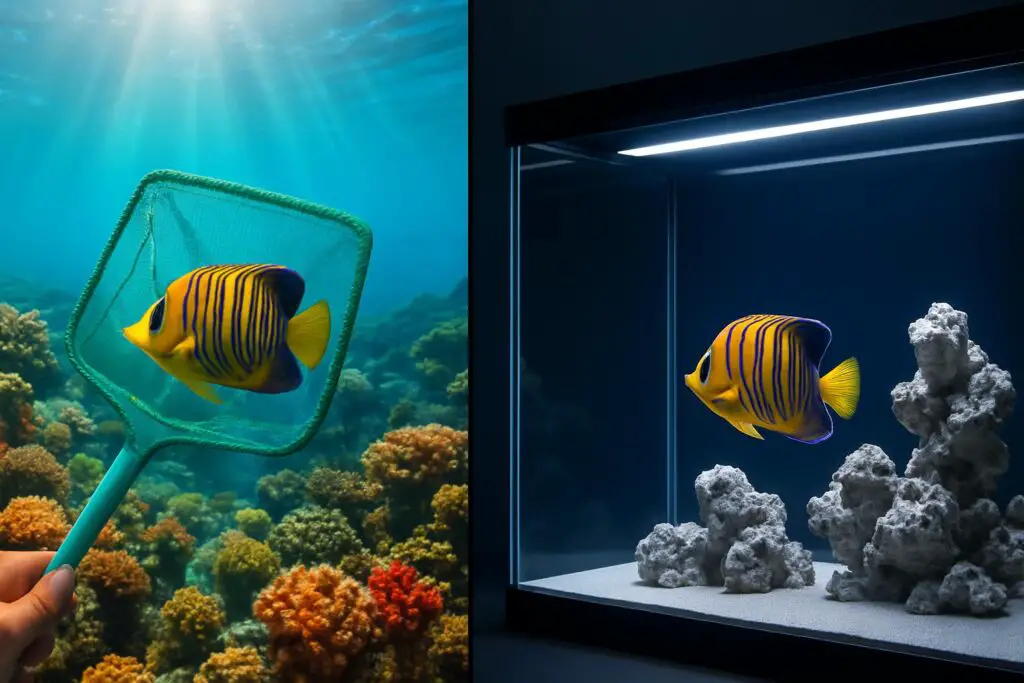
Marine aquariums are beautiful, but they raise hard questions. When you buy a fish, you choose more than a color pattern. You choose a supply chain, a set of risks, and a message to the market. The ethics of keeping wild-caught versus captive-bred marine fish is not a simple good versus bad debate. It is about impact, animal welfare, and informed choices. This guide gives you clear principles, practical steps, and species-level advice so you can build a tank that is both thriving and responsible.
Why ethics matter in marine aquariums
Every marine fish in a home tank comes from either the ocean or a breeding facility. Each source has trade-offs. Some wild fisheries can be low-impact, community-led, and sustainable. Others are harmful. Some captive-bred fish are robust and easy to keep. Others are scarce, costly, or not yet available. Ethical aquarists balance these factors and support better practices with their purchases.
What wild-caught and captive-bred really mean
Wild-caught
A fish taken from the ocean by divers or nets, then moved through exporters, importers, and retailers to you. Collection methods and handling quality vary widely by region and operator.
Captive-bred
A fish bred and raised in tanks or pens for its whole life cycle. It is not the same as tank-raised, which can describe fish collected as larvae or juveniles and grown out in captivity. Captive-bred generally offers better traceability and consistency.
Wild population impacts
Collection pressure
Some species have life histories that make them vulnerable. Slow growth, low fecundity, small ranges, or strong site fidelity raise risk. Reef fish that hover in predictable spots are easier to overcollect. Local depletion can happen even if a species is common globally.
Destructive practices
Cyanide and other damaging methods have been used to stun fish in parts of Southeast Asia. Rules and training have improved in many areas, but incidents still occur. Cyanide harms coral and can damage fish organs, leading to delayed mortality. Ethical buyers avoid sources with weak oversight.
Bycatch and habitat damage
Skilled, net-only hand collection has low bycatch and minimal habitat damage. Breaking coral, dragging nets, or lifting rocks to chase fish can harm reefs. Ask retailers how fish were collected and from which region. Fishing cooperatives with training and monitoring usually do better.
Animal welfare from reef to home
Stress and mortality
Wild fish often face a long chain: capture, holding, export, flights, import, wholesale, retail, then your tank. Each handoff adds stress and disease risk. Mortality can happen days or weeks after purchase. Good suppliers reduce stress with gentle capture, oxygenated shipping, and proper feeding. Captive-bred fish usually tolerate transport better.
Feeding and behavior
Some wild fish rely on foods hard to replicate. Obligate corallivores, spongivores, or specialized pickers often starve in captivity. Captive-bred fish are typically weaned onto pellets or frozen foods and adapt quickly. Reduced refusal to feed is a major welfare gain.
Quarantine and acclimation
Wild fish are more likely to carry parasites and pathogens. Quarantine with observation, prophylactic treatment when appropriate, and slow acclimation is essential. Captive-bred fish can still carry disease, but the risk is usually lower. A quarantine tank remains good practice for both.
Advantages of captive-bred marine fish
Higher survival and easier care
Captive-bred fish typically eat common foods, handle shipping better, and settle fast. This leads to fewer losses and less frustration for beginners. It also reduces demand for additional wild fish to replace mortalities.
Behavior and temperament
Captive-bred fish are often less skittish and more tolerant of tank conditions. Many are already accustomed to people and lighting schedules. This improves welfare and your experience.
Traceability and oversight
Breeding facilities can document broodstock, rearing methods, and treatments used. Transparent operations let you make informed choices. This is harder to achieve consistently in fragmented wild supply chains.
Limitations of captive breeding
Species availability
Many iconic species are not yet bred at scale. Complex larvae, tiny mouths, or long pelagic phases make rearing difficult. Breeding efforts are growing, but the catalog is still limited compared to wild options.
Genetic considerations
Small breeding pools can cause inbreeding if not managed. Responsible breeders rotate broodstock and outcross to maintain healthy genetics. Ask about broodstock management when possible.
Environmental footprint
Breeding facilities use energy, water, and feed. However, when survival is high and transport distances are shorter, the overall footprint can still be lower than a long wild supply chain with losses. The balance depends on facility practice and logistics.
Cost and access
Captive-bred fish often cost more. Pricing reflects research, larval feeds, and facility overhead. Costs usually drop as methods scale. If you can afford the difference, you support progress and future availability.
Ethical frameworks to guide your choice
Harm reduction
Choose the option that reduces suffering and mortality now. For common beginner fish, captive-bred usually wins. For species not bred yet, pick wild-caught only from net-caught, well-managed sources and avoid sensitive species.
Precautionary principle
If you are unsure about sustainability or welfare, do not buy. Wait, research, or choose an alternative species. Demand signals matter. No sale is better than a harmful sale.
Conservation through commerce
Some argue that responsible trade supports coastal livelihoods and incentivizes reef stewardship. This can be true when fisheries are monitored, collection is selective, and benefits reach local communities. Without strong safeguards, the claim is weak. Support programs with documented training, traceability, and community benefits.
Sourcing, labels, and what to trust
Certifications and reality
Past certification programs tried to verify sustainable collection, but many ended or did not scale. Treat labels as a starting point, not proof. Ask for details and look for a clear chain of custody.
Country and method transparency
Insist on country of origin and capture method. Net-caught hand collection by trained divers is the ethical baseline. Be cautious with vague terms like reef safe or responsibly sourced without specifics.
Legal status and permits
Some species require permits or are restricted. Seahorses are under CITES Appendix II. Local laws may restrict certain species or regions. Buy from vendors who can explain legal compliance.
Retailer practices
Observe holding conditions, feeding, and mortality rates. Good retailers quarantine, disclose origins, and refuse high-risk species. They will show fish eating and provide clear advice on care.
Species guidance for beginners
Strong captive-bred choices
Clownfish. Many varieties are available, hardy, and readily eat prepared foods.
Banggai cardinalfish. Captive-bred options reduce pressure on a vulnerable wild population and adapt well.
Dottybacks. Many species are captive-bred and robust if tankmates are chosen wisely.
Gobies. Several species are bred in captivity and are peaceful, small, and easy to feed.
Royal gramma and assessor basslets. Increasingly available captive-bred and well-suited to community tanks.
Mandarinfish. Captive-bred individuals often accept pellets or frozen foods, unlike many wild counterparts.
Seahorses. Keep only captive-bred and species suitable for dedicated setups.
Proceed with caution or avoid
Butterflyfish and angelfish that specialize in coral or sponges. Many starve or require advanced care.
Moorish idol. High mortality, specialized diet, and stress sensitivity.
Orange-spotted filefish and other obligate feeders. Often fail without expert systems.
Wild mandarins that refuse prepared foods. Many slowly starve in new tanks.
Large predatory species. Ethical concerns increase with space needs and long-term housing requirements.
Welfare checklist before any purchase
Questions to ask your retailer
Is this fish captive-bred or wild-caught
If wild, what country and method were used
How long has it been at the store, and is it eating specific foods
Has it been quarantined, and for how long
What is the expected adult size and space requirement
Behavior and health checks
Look for steady breathing, intact fins, clear eyes, and alert posture.
Ask to see the fish eat the food you plan to use at home.
Avoid fish with sunken bellies, frayed fins, or flashing behavior.
Acclimation and quarantine at home
Use drip acclimation for sensitive species. Match temperature and salinity slowly.
Quarantine new arrivals in a separate tank for observation and treatment if needed.
Offer small, frequent feedings and dim lighting for the first days.
Building demand for captive-bred fish
Vote with your money
Buy captive-bred whenever a good option exists for your tank. Be willing to pay a fair premium that reflects the real cost of responsible production.
Be flexible on species and color morphs
Choose a similar captive-bred species over a harder wild-caught one. Many alternatives match the look and behavior you want.
Support ethical retailers and breeders
Shop at stores that disclose origin and quarantine. Preorder captive-bred species and accept reasonable wait times to help them plan production.
Share results
Post tank updates, feeding success, and survival rates. Positive results help shift community norms and retailer stocking decisions.
Case studies that inform ethical choices
Banggai cardinalfish
The Banggai cardinalfish became popular due to its look and peaceful nature. Wild populations in parts of its small native range were hit hard by collection and habitat change. Captive breeding is now common, and captive-bred Banggai adapt well to prepared foods and community tanks. Choosing captive-bred reduces pressure on wild populations and improves survival.
Yellow tang
Yellow tangs were once almost entirely wild-caught, mostly from Hawaii. Restrictions and public scrutiny changed supply. Breakthroughs in captive breeding made production possible, though costs were initially high. Today, captive-bred yellow tangs are more available and hardy. Choosing captive-bred supports continued research and reduces reliance on uncertain wild sources.
Emerging tools and trends
Larval rearing breakthroughs
New live feeds, copepod culture, and improved lighting and flow have enabled breeding of species once considered impossible. More species will become available as methods scale.
Traceability and testing
Better shipping records, barcoding, and voluntary audits are slowly improving transparency. Cyanide testing exists but is not yet routine. Ask suppliers about their verification steps and willingness to provide documentation.
Aquaculture ecosystems
Breeders, feed producers, and hobbyists are building a more complete captive ecosystem. As this grows, costs will drop, and species variety will expand. Your choices accelerate this trend.
Decision guide for beginners
Step 1. Define your tank
Size, filtration, reef or fish-only, and your experience level. Ethical choices depend on what you can realistically support.
Step 2. Build a wish list with captive-bred first
List captive-bred options that fit your tank size and temperament. Identify at least two backup species for each role.
Step 3. Research care difficulty
Verify diet, adult size, compatibility, and disease risk. Remove species that require specialized feeding unless you have the system to support them.
Step 4. Choose a retailer you trust
Look for origin labeling, quarantine policies, and feeding demonstrations. Ask about capture methods for any wild fish.
Step 5. Make the ethical call
If a suitable captive-bred option exists, prefer it. If not, buy wild only when collection methods are proven low-impact, the species adapts well, and your setup matches its needs.
Step 6. Quarantine and document
Quarantine all new fish, track feeding and behavior, and share results with your retailer. Feedback improves their sourcing choices.
Common myths to avoid
Myth 1. All wild-caught is unethical
Not always. Some fisheries are selective, regulated, and community-supported. The key is proof of method and ongoing monitoring. Without that, assume higher risk.
Myth 2. Captive-bred fish are always healthier
Often, but not guaranteed. Poor breeding practices, overcrowding, or inadequate nutrition can harm fish. Choose reputable producers and still quarantine.
Myth 3. Captive breeding solves everything now
It is vital progress, but many species remain unavailable or costly. Support breeding efforts while making careful wild choices where necessary.
Practical red flags at the store
For wild-caught fish
Unwillingness to state country of origin or collection method.
High mortality or many thin, lethargic fish.
Staff cannot show the fish eating common foods.
For captive-bred fish
Fish too small or underweight for sale.
Rapid breathing, clamped fins, or poor color in multiple tanks.
Inconsistent labeling or confusion over species and morphs.
Making your tank part of the solution
Plan stocking around sustainable choices
Use a smaller number of compatible, hardy fish. Stability is better for welfare and reduces replacement demand.
Feed well and prevent disease
A varied diet, stable parameters, and quarantine lower losses. Fewer losses mean less pressure on supply chains.
Never release fish into the wild
Releases can cause invasive species problems and disease spread. Rehome responsibly through hobby networks or stores.
Frequently asked starter questions
Is it ever okay to buy wild-caught fish
Yes, when the species adapts well to captivity, the collection is net-only and traceable, and your tank can meet its needs. Avoid species known for poor survival or specialized diets.
Are captive-bred fish worth the price
Usually yes. Higher survival, easier feeding, and lower disease risk often save money and effort in the long run. You also support progress in aquaculture.
What if my local shop has few captive-bred options
Ask for special orders. Many shops can source captive-bred fish if customers request them. Be patient with lead times.
A simple ethical purchase template
Before you buy
Confirm species care requirements and adult size.
Prefer captive-bred. If not available, verify net-caught origin and method.
See the fish eat the food you will offer.
Plan quarantine and have medications ready if needed.
After you buy
Acclimate slowly, keep lights low, and offer small meals.
Observe for two weeks minimum before adding to the display tank.
Record source, date, and feeding notes for future decisions.
Conclusion
Ethical marine fishkeeping is not about perfection. It is about better choices made consistently. Captive-bred fish reduce suffering and improve success for many common species. When you choose wild-caught, choose carefully. Demand clear origins, net-only methods, and species that adapt well to captive life. Support retailers and breeders who invest in transparency and animal welfare. The market follows informed demand. Your tank can be a living example of beauty, responsibility, and respect for the ocean.