
We are reader supported. When you purchase through links on our site, we may earn an affiliate commission. Also, as an Amazon affiliate, we earn from qualifying purchases.
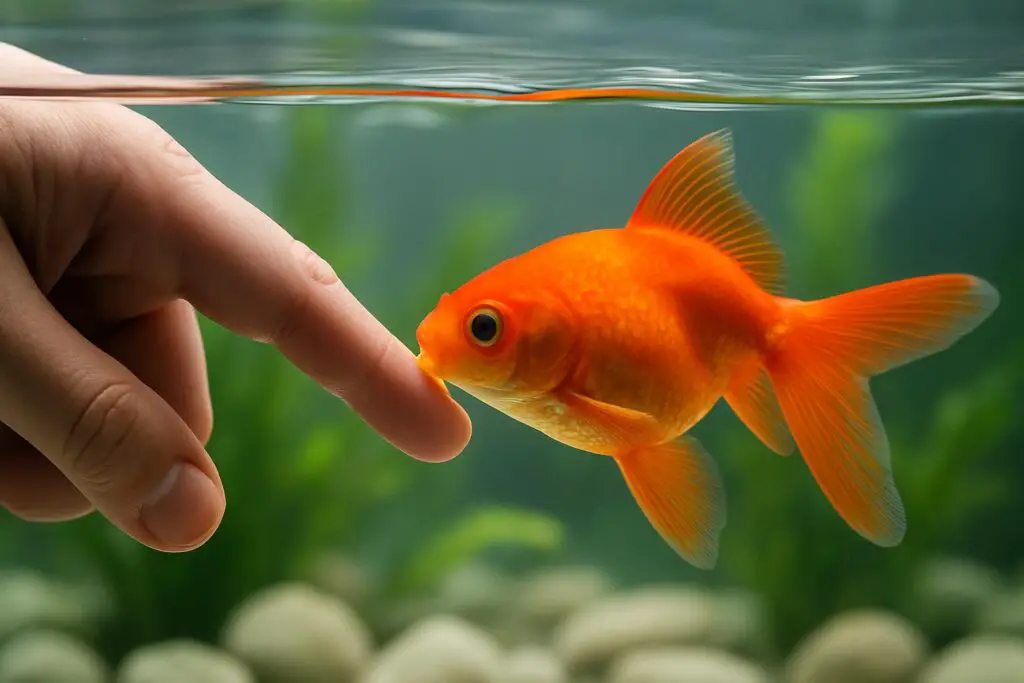
Hand-feeding your fish builds trust, reduces stress at feeding time, and lets you check health up close. It also keeps food where you want it, which cuts waste and keeps water cleaner. With a calm routine and the right food, most fish can learn this skill. This guide shows you every step, from tank prep to a safe first nibble.
Introduction
Hand-feeding is simple but it depends on preparation and consistency. Fish learn by linking your presence, your hand, and food. Clear signals, small steps, and steady timing make that link strong. You will start with distance feeding, move to a target stick, and finish with gentle hand contact. Keep sessions short, avoid stress, and track small wins. Over days and weeks, your fish will approach, test, and finally eat from your fingers.
Why Train Fish to Eat From Your Hand
Hand-feeding has practical benefits that justify the effort.
– Better health monitoring. You can inspect eyes, fins, scales, color, and breathing.
– Less waste. You place food where fish will eat it, not into the filter.
– Stronger trust. Fish associate you with food and calm behavior.
– Easier care. Moving fish for maintenance and treatment becomes simpler.
– Enrichment. Brief, focused interactions stimulate natural foraging behaviors.
Know Your Fish
Different species learn at different speeds.
– Bold learners. Goldfish, koi, many cichlids such as oscars and severums, bettas, gouramis, some marine fish like clownfish and puffers. These often take food from fingers within days to weeks.
– Moderate learners. Angelfish, discus, rainbowfish, larger tetras, barbs, livebearers, peaceful community fish. Expect two to six weeks.
– Shy or skittish species. Some catfish, loaches, pencilfish, rasboras, anthias. They may take months and may always prefer a target stick near your hand rather than direct finger contact.
– Caution species. Aggressive biters, venomous or toxic species, and large predatory fish that strike fast. Use a target stick or long tweezers instead of bare hands.
Safety First
Hand-feeding should be safe for you and your fish.
– Wash and rinse hands with water only. No soap residue, sanitizer, lotion, or insect repellent.
– Avoid open cuts. Use aquarium-safe gloves or a target stick if you have skin breaks.
– Stay still. Sudden moves scare fish and cause collisions with lids or decor.
– Choose the right candidates. Do not hand-feed fish that are sick, in quarantine, newly imported, or known to nip hard.
– Do not mix training with medication dosing or water changes. Keep routines clear.
Prepare the Tank Environment
Stable water and a calm setting help fish learn faster.
– Water quality. Ammonia and nitrite at zero. Nitrate below 30 ppm for most freshwater community tanks. Salinity stable for marine systems. pH and temperature steady without swings.
– Flow and oxygen. Strong surface chop makes hand-feeding hard. Reduce surface agitation during sessions if needed, but retain airflow or restart flow within 10 to 15 minutes.
– Lighting. Moderate light helps fish see food and your hand. Avoid harsh glare and strong shadows.
– Layout. Provide clear sight lines and a few safe retreats. Fish must feel they can advance and retreat without traps.
– Lids and covers. Secure gaps to prevent jumps during excitement.
Choose the Right Food
Pick food that fish can smell, see, and bite easily.
– High-attraction foods for training. Soaked high-quality pellets, frozen or thawed bloodworms, brine shrimp, mysis, blackworms, krill for larger fish. For herbivores and omnivores, offer blanched peas, spinach, zucchini, or marine nori.
– Size and texture. Pieces should be smaller than the fish’s mouth opening. Softer textures reduce hard bites and help timid fish commit.
– Clean handling. Rinse frozen foods in a fine net to remove excess juices that cloud water.
– Avoid problematic foods. Oily meats, feeder fish, raw warm-blooded meats, and human snacks promote disease or foul the water.
– Use a training tool. A feeding ring controls where floating foods stay. A target stick, pipette, or long tweezers helps bridge the gap to your hand.
Set a Training Schedule
Consistency beats intensity.
– Fixed times. Feed at the same times each day. Fish anticipate and calm down faster.
– Short sessions. Three to ten minutes is enough. End on a win, not a scare.
– Small quantities. Use small portions and stop while interest is high. Overfeeding slows learning and wrecks water quality.
– Mild pre-fast. Skip the previous meal or reduce it by half before a training attempt. Do not starve fish. Aim for gentle motivation, not desperation.
– Quiet room. Reduce noise, tapping, and fast movement around the tank.
Step-by-Step Training Plan
Stage 1. Condition to Your Presence
– Stand or sit near the tank at the same time daily.
– Hold the food container without opening it. Wait until fish come out and swim calmly.
– Reward by dropping a small amount of food in the usual feeding area.
– Repeat for three to seven days until fish approach the front when you arrive.
Stage 2. Establish a Feeding Spot
– Pick one corner or a feeding ring. Consistency reduces confusion.
– Always feed in that spot. Tap the rim lightly or hold your hand above the target area as a cue.
– Once fish gather at the spot reliably, proceed to the next stage.
Stage 3. Introduce a Target Stick
– Use a clean chopstick, acrylic rod, or long tweezers. Rinse in tank water before use.
– Present the tip near the surface in the chosen spot. Place food so it touches the tip.
– Let fish eat off or near the tip. If they are shy, release the food right as they approach.
– Over days, move the tip slightly closer to your hand on the rod.
Stage 4. Bridge to Your Fingers
– Hold food between thumb and forefinger. Keep the target stick touching or next to your fingers at first.
– Offer the food just at or below the surface. Keep your hand still and relaxed.
– If fish hesitate, return to the stick for a few bites, then try your hand again.
Stage 5. Close the Distance
– Gradually lower your hand deeper if the species feeds midwater or near the bottom.
– Maintain the same feeding spot and cue. Repeat short, successful contacts.
– Reduce the use of the stick as fish gain confidence with your fingers.
Stage 6. First Contact and Gentle Nibbles
– Expect testing nips. Do not flinch. A sudden pullback can scare fish.
– If a fish grabs too hard, use softer foods and smaller pieces so there is less pulling.
– Release the food when lips touch your fingers, then keep your hand still for a second before withdrawing.
Stage 7. Reinforcement and Fading Aids
– Over a week, cut down the number of stick-assisted bites and use only your hand.
– Keep sessions brief. Stop after a few successful hand takes.
– Return to earlier stages if a scare happens or if the fish regress after a routine change.
Adapt to Species and Feeding Styles
– Surface feeders. Bettas, gouramis, hatchetfish, and many killifish prefer food just at the surface. Keep your fingertips barely touching the water.
– Midwater feeders. Many barbs, tetras, rainbowfish, and marine schooling fish follow moving targets. Slightly wiggle the food in place, then hold still as they commit.
– Bottom feeders. Corydoras, loaches, and many catfish can learn to take from a hand near the substrate. Start with a target stick and transition to fingers resting on the sand. Avoid sudden lifts that kick up debris.
– Cichlids and large fish. They learn fast but can strike hard. Offer small pieces, one at a time, and consider a thin glove or long tweezers if bites are too forceful.
– Shy and nocturnal species. Train at dusk with low light. Use a red room light to reduce startle. Progress will be slower; a target stick may remain the final step.
Handling Group Dynamics
– Dominant fish can block timid ones. Offer several small bites spaced a few inches apart.
– Feed subordinates first by placing the first piece closer to their retreat, then hand-feed the bold fish second.
– Use two hands if needed, but remain steady and slow.
Filter and Flow Management
– High flow can push food away and stress fish. Reduce flow or angle spray bars away from the feeding spot.
– If you switch a filter or wavemaker off, limit the pause to 10 to 15 minutes, maintain aeration elsewhere, and restart equipment right after the session.
Hygiene and Aftercare
– Before feeding, rinse hands with water only. After feeding, rinse again and dry.
– Disinfect reusable tools like sticks and tweezers with tank-safe methods and air dry.
– Avoid perfumes, lotions, and bug sprays on training days.
– Do not hand-feed with open cuts. Use gloves or tools until healed.
– After messy foods, siphon loose debris and clean the feeding ring.
Common Mistakes to Avoid
– Overfeeding. Leads to poor water quality and sluggish fish. Keep sessions short and portions small.
– Inconsistent timing. Fish learn cues by repetition. Missed sessions slow progress.
– Moving too fast. If a fish panics, return to the last stage where it was calm.
– Training during stress. Avoid hand-feeding during transport, breeding, illness, or tank rescapes.
– Rough contact. Never grab or corner fish. Let them approach and retreat freely.
Troubleshooting
– Fish will not approach. Reduce room movement. Lower light slightly. Use a stronger smelling food. Start with the target stick and increase distance gradually over several days.
– Fish spits food. Soak dry pellets to soften. Offer smaller bites. Check temperature and water quality; cold or poor water reduces appetite.
– Frenzy and nipping. Feed smaller pieces one by one, spaced out. Use a ring to define the area. If bites are sharp, use a thin glove or switch to tweezers.
– Water gets dirty. Rinse frozen food. Feed less each session. Siphon debris and increase maintenance during training weeks.
– Progress stalls after vacation or illness. Restart from Stage 2 or 3 for a few days, then advance again. Consistency will restore the behavior.
How Long It Takes
Most fish learn in two to six weeks with daily sessions. Bold species can learn within days. Shy species can take months and may prefer a target stick to direct finger contact. Steady timing and calm handling are the main drivers of speed.
Maintain the Behavior
– Keep training brief and regular. A few hand-fed bites once a day is enough.
– Mix in normal feeding to prevent dependence on hand-feeding only.
– Vary foods within a balanced diet to keep interest high.
– Avoid overfeeding. Track weekly totals and adjust based on body condition.
– Pause hand-feeding during medication, major rescapes, breeding, or heat waves, then resume at an easier stage.
When Hand-Feeding Is Not a Good Idea
– Fish are sick, quarantined, or on medication.
– Newly added fish not yet settled. Give them at least one to two weeks of normal feeding first.
– Species known to bite hard or with venomous spines or teeth. Use tools instead.
– You have open hand wounds or skin conditions that need protection.
A Sample First Week Plan
– Day 1 to 2. Stand by the tank at the same time. Feed a small portion in the chosen spot. Keep the room quiet.
– Day 3 to 4. Add a feeding ring or mark the spot. Present a target stick with food touching the tip.
– Day 5 to 6. Hold the stick closer to your fingers. Offer soaked pellets or thawed food at the surface.
– Day 7. Try fingers only for the first piece. If fish hesitate, use the stick for one or two bites, then try fingers again.
Special Tips for Popular Species
– Goldfish and koi. Use soaked pellets and gel foods. Expect fast learning. Keep portions small due to high appetite.
– Bettas. Offer a couple of softened pellets or a small worm at the surface. Keep water still during feeding. Avoid stressing bubble nests.
– Cichlids. Teach a clear cue and feed one fish at a time to reduce biting. Consider tweezers if strikes are forceful.
– Catfish and loaches. Train at dusk with the target stick near the bottom. Transition to fingers resting on the substrate.
– Marine fish. Use rinsed mysis, brine shrimp, or small pellet foods. Nori sheets work for tangs with a finger hold or a clip near your hand.
Signs You Are on Track
– Fish approach the front when you enter the room.
– Fish wait in the feeding spot before feeding time.
– Fish follow the target stick and take food near your fingers.
– Fish accept the first gentle contact without darting away.
– Bites become accurate and relaxed rather than frantic.
Conclusion
Hand-feeding succeeds when you manage three things well. Keep the environment calm and stable. Use the right food in small, regular sessions. Progress slowly through clear stages and return to an earlier step if stress appears. Most fish will learn to take food from your fingers within a few weeks. The result is cleaner feeding, better health checks, and a calmer bond that benefits both you and your fish.
FAQ
Q: How long does it take to train a fish to eat from my hand
A: Most fish learn in two to six weeks with daily sessions. Bold species can learn within days. Shy species can take months and may prefer a target stick to direct finger contact.
Q: Is hand-feeding safe for my fish and me
A: Yes, if you wash hands with water only, avoid open cuts, keep movements slow, choose suitable species, and do not hand-feed during illness, quarantine, or medication. Use gloves or tools for species that bite hard.
Q: What food works best for first hand-feeding attempts
A: Use high-attraction foods such as soaked pellets, rinsed frozen or thawed bloodworms, brine shrimp, mysis, or nori for herbivores. Keep pieces small and avoid oily or messy foods, feeder fish, and human snacks.
Q: Should I turn off the filter during training
A: Reduce surface agitation rather than fully turning equipment off. If you switch a filter or wavemaker off, limit it to 10 to 15 minutes, keep aeration available, and restart right after the session.
Q: What if my fish nips hard or causes a frenzy
A: Feed smaller pieces one at a time, space bites apart, use a target stick or tweezers, consider a thin glove, and end the session calmly once you get a few clean takes.