
We are reader supported. When you purchase through links on our site, we may earn an affiliate commission. Also, as an Amazon affiliate, we earn from qualifying purchases.
Columnaris spreads fast, kills fast, and often gets mistaken for a harmless fungus. If you treat it like fungus, you lose time and fish. This guide shows you how to identify Columnaris early, act in the first hour, choose the right medications, and prevent it from returning. The steps are clear, beginner friendly, and based on what works in real tanks.
Introduction
Columnaris, also called Cottonmouth Disease, is a bacterial infection caused by Flavobacterium columnare. It is not a true fungus even though it can look cottony. It thrives in warm water, crowded tanks, and dirty filters. Outbreaks often follow stress from shipping, new tank syndrome, or aggressive tankmates. The disease can kill within 24 to 72 hours at higher temperatures, so speed matters.
Your goals are simple. Identify it early. Reduce stress and organics. Hit it with the right meds. Keep oxygen high. Protect the rest of the tank. Then harden your system so it does not come back.
What Columnaris Is and Why It Is Misdiagnosed
Columnaris is a gram negative, external bacteria that sticks to skin, gills, mouth, and fins. It forms mats of bacteria and slime that look like wet cotton. Many hobbyists reach for antifungal treatments first and see no improvement. That delay is costly because the gill form of Columnaris can advance fast.
Antifungal meds do not clear Columnaris. You need antibiotics that hit gram negative bacteria, improved water quality, and strong aeration. Once you know the signs, you will not confuse it again.
Early Warning Signs You Must Not Ignore
Act on subtle changes. Waiting for full cottony growths gives the bacteria a head start.
Behavioral signs
Fish hover near the surface or filter outflow. They breathe faster. They avoid food or chew and spit. They clamp fins. They isolate from the group.
Skin and fin signs
Small white to gray patches that look like wet fuzz, not fluffy tufts. A faint pale band near the dorsal fin called a saddleback lesion. Slight fraying of fin edges that quickly worsens. Clear slime sloughing from the body.
Mouth signs
White, ragged edges around the lips. Tissue erosion that exposes raw, pink areas. The mouth may look thickened or crusted with a yellow white coating. This is where the name Cottonmouth comes from.
Gill signs
Gasping, flared opercula, and rapid gill movement. Gills may turn pale, brown, or patchy. Gill involvement is serious and can be fatal even when the body looks mild.
Columnaris vs True Fungus
Getting this right saves time and fish.
Columnaris often looks matte and matted, with a yellow white tint, and edges that blend into the skin. It spreads fast across the mouth, head, and dorsal area. It can cause saddleback bands and fin rot.
True fungus such as Saprolegnia looks like long, fluffy, cottony tufts. It often grows on dead tissue, wounds, or eggs. Antifungal meds such as malachite green or formalin help fungus but will not stop Columnaris.
How It Spreads and What Triggers It
Columnaris is opportunistic and present in many systems at low levels. Outbreaks happen when fish are stressed and water is rich in organics. It moves through shared water, nets, siphons, plants, and even on your hands. Fish can be carriers with no symptoms until a trigger opens the door.
Common triggers
Warm water above 25 C that speeds bacterial growth. Poor oxygen levels. High organic waste, mulm, and dirty gravel. Overstocking. Recent transport or temperature swings. Abrasive decor that causes skin damage. Ammonia, nitrite, or high nitrate. Weak diet and vitamin deficiency.
Immediate First Aid: The First Hour Plan
The first hour is critical. Do these steps in order.
Do a large water change, 40 to 60 percent, temperature matched, and gravel vacuum. This removes organics and free bacteria. Add dechlorinator for the full tank volume.
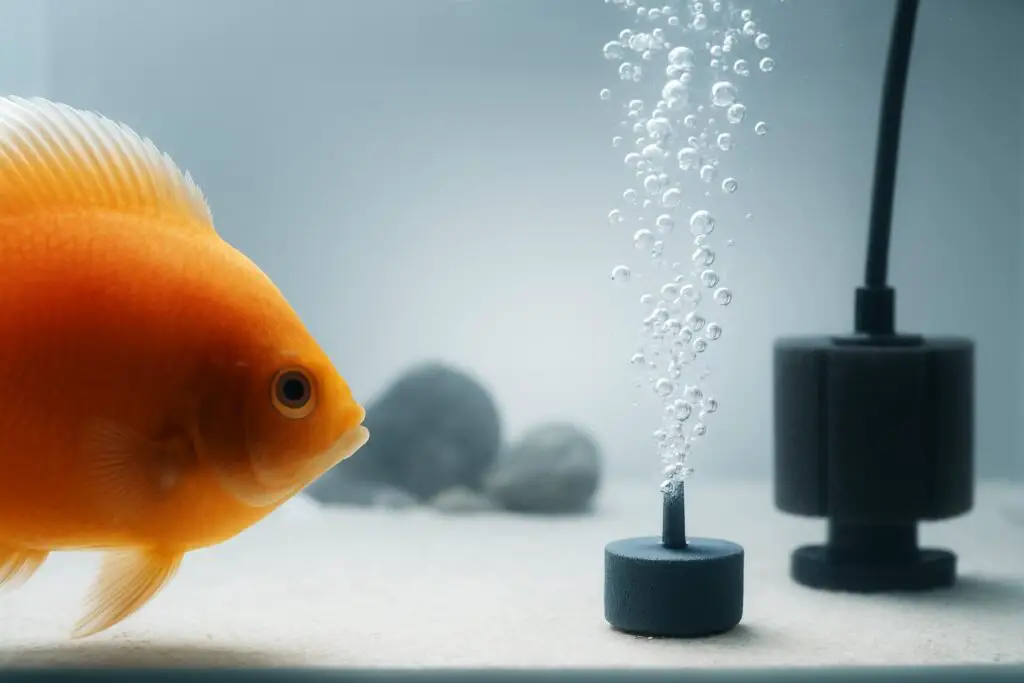
Increase aeration hard. Add an airstone or raise filter outflow to churn the surface. Columnaris starves gills of oxygen. Over aerate rather than under aerate.
Remove carbon or chemical media from filters. Carbon will strip medications and waste your treatment.
Lower temperature slightly for tropical fish to 22 to 24 C. For goldfish and temperate species, 18 to 20 C is fine. Do not drop temperature suddenly by more than 2 C per hour. Do not raise temperature. Heat speeds Columnaris.
Move the worst cases to a hospital tank if possible. Treating separately protects the display and lets you dose accurately.
Setting Up a Simple Hospital Tank
A bare bottom tub or spare tank works. Use a sponge filter or strong airstone for oxygen. Add a heater if needed for stability. No substrate. A few inert hides for comfort. Use tank water to fill it so parameters match. Keep lights low to reduce stress. Test ammonia and nitrite daily. Change 25 to 50 percent water as needed to keep them at zero while on meds.
Medication Options That Work
Choose medications that target gram negative bacteria. Follow product labels for dosage and safety. Combine water column treatment with medicated food when possible. Here are the options hobbyists use successfully.
Kanamycin
Broad spectrum, good penetration into tissues, and relatively filter safe. Often sold as kanamycin sulfate. Dose per label in water every 2 days for 3 doses. Can be bound to food to target mouth and gut infections.
Nitrofurazone or other furan antibiotics
Strong against external gram negatives. Often paired with kanamycin for synergy. Dose daily after partial water changes for 4 doses. Note that furans can suppress your biofilter. Watch ammonia and nitrite and be ready to change water and add extra aeration.
Oxytetracycline
Works well in food. Use medicated food per manufacturer directions for 7 to 10 days. Effective for mouth and systemic involvement. It can be used in water, but absorption varies with water hardness and pH.
Minocycline
An alternative when kanamycin or furans are not available. Often sold as a gram negative fin and body treatment. Follow the label schedule.
Acriflavine baths
Useful for surface lesions and as a first aid dip. It also adds mild antiseptic action during full tank treatment. Acriflavine can lower oxygen, so push aeration hard. It stains silicone and ornaments. Follow label bath times and concentrations.
Salt support
Aquarium salt can help at 0.1 to 0.3 percent for many species. This equals 1 to 3 grams per liter, or roughly 1 tablespoon per 5 gallons up to 1 tablespoon per 3 gallons. Add in portions over 12 to 24 hours. Salt reduces osmotic stress, protects gills, and can slow Columnaris. Some fish and plants are sensitive to salt. See the caution notes below.
A Proven Treatment Plan Step by Step
Day 0. Big water change 40 to 60 percent. Remove carbon. Lower temperature slightly. Add 2 to 4 times normal aeration. Add salt to 0.1 percent if species tolerate it. Dose kanamycin per label. Dose nitrofurazone per label. Feed lightly with medicated food if available. Siphon loose debris from the bottom after a few hours.
Day 1. 25 to 30 percent water change. Redose nitrofurazone. Skip kanamycin if the label says every other day. Inspect fish. Remove shed slime and dead tissue with gentle siphoning. Continue high aeration and stable lower temperature.
Day 2. Water change. Redose kanamycin and nitrofurazone as per labels. Continue medicated food. Keep lights dim. Check ammonia and nitrite. If either is present, add more water changes and consider a small dose of bottled bacteria. Do not add carbon.
Day 3 to 5. Continue the dosing schedule. You should see fuzz recede, appetite improve, and breathing ease. If gill damage was severe, recovery is slower. Maintain salt concentration if used, topping up after changes. Do not increase salt beyond 0.3 percent unless you are experienced and the species tolerates it well.
Day 6 to 10. Complete the full course. Do not stop early, even if fish look recovered. Finish medicated food. Start to raise temperature back slowly only after several days of clear improvement.
Safety and Special Cases
Scaleless and sensitive fish
Corydoras, loaches, some catfish, and some tetras are sensitive to salt and strong meds. Use lower salt, 0.05 to 0.1 percent, and watch closely. Start with kanamycin alone if unsure, then add nitrofurazone if response is weak. Increase aeration further for these species.
Livebearers and goldfish
These tolerate salt well. 0.2 to 0.3 percent salt often gives strong support. They also handle acriflavine baths better than scaleless fish.
Invertebrates
Shrimp and snails do not tolerate salt or antibiotics well. Move fish to a hospital tank. If you must treat the display tank, expect invertebrate losses. Consider keeping a backup colony in a separate tank.
Planted tanks
Furans may discolor water and can weaken the biofilter. Most hardy plants tolerate short antibiotic courses, but sensitive species can melt. If possible, treat fish in a hospital tank. If you treat the display, reduce light and fertilization and be ready to replant after recovery.
Water Parameters During Treatment
Ammonia and nitrite must stay at zero. Nitrate should stay under 20 to 40 ppm depending on species. pH should remain stable; avoid swings more than 0.2 in a day. Keep temperature on the low end for the species to slow Columnaris. Maximize oxygen with surface agitation and airstones. Rinse mechanical filter media in dechlorinated water to keep flow high, but do not overclean bio media while fish are ill.
Common Mistakes That Cost Fish
Raising temperature as if treating white spot. Heat accelerates Columnaris.
Using only antifungal meds. They will not work here.
Under dosing and stopping early. The bacteria rebound and return stronger.
Treating without water changes. Meds do not fix dirty water or low oxygen.
Keeping carbon in the filter. It removes your medication.
Ignoring the biofilter. Antibiotics can suppress nitrifiers. Test and water change accordingly.
How Fast Will Fish Recover
External mouth and skin cases often show improvement in 48 to 72 hours. Gill cases can take longer and have higher risk. Expect ragged fins and scars to take weeks to regrow. Appetite is the best early sign. If a fish does not improve at all after 3 to 4 days of correct treatment, reconsider the diagnosis or escalate.
When Treatment Is Not Working
Recheck the basics. Is the temperature lowered. Is oxygen high. Are you dosing the right meds at the right intervals. Is carbon removed. Are ammonia and nitrite zero.
If you used only one antibiotic, add a second with a different mode of action such as pairing kanamycin with nitrofurazone. Switch to medicated food with oxytetracycline or minocycline if mouth involvement is heavy. Consider an acriflavine bath to knock back surface bacteria while you correct the main plan.
In rare cases another disease is present, such as parasitic gill flukes or internal bacteria like Aeromonas. When a microscope is available, a skin and gill scrape can confirm Columnaris and rule out parasites. For most hobbyists, careful symptom review and escalation of antibiotics is the practical path.
Aftercare and Relapse Prevention
After the last medication dose, run strong aeration and perform several partial water changes over a week. Add fresh carbon for 48 hours if you want to clear medication tints, then remove it again and resume normal filtration. Rebuild the biofilter with light feeding and frequent testing. Do not restock or add new fish for at least 2 to 3 weeks after full recovery.
Feed a varied diet with quality pellets, frozen foods, and a vitamin supplement a few times per week. Keep nitrate low with regular gravel vacs. Thin out stocking if fish are crowded. Maintain stable parameters within the needs of your species. Aim for consistent temperature and pH rather than chasing perfect numbers.
Cleaning and Disinfection
Columnaris can persist on wet surfaces for days. Disinfect nets, siphons, and tools after each use. A simple method is a bleach soak at a ratio near 1 part unscented bleach to 20 parts water for 10 minutes, then rinse well and soak in dechlorinated water before reuse. Allow items to dry fully when possible. Keep separate equipment for quarantine and display tanks.
Quarantine and Biosecurity
Quarantine all new fish for 4 weeks. Observe daily for mouth patches, frayed fins, and rapid breathing. Feed lightly and keep water clean. Avoid sharing water or equipment across tanks. If you notice any sign, treat in quarantine immediately. A simple quarantine routine prevents almost every disaster in the display tank.
Frequently Asked Questions
Can Columnaris go away on its own
Mild cases sometimes stabilize with water changes and better oxygen, but the risk of rapid spread is high. Treat proactively.
Can salt alone cure Columnaris
Salt helps fish cope and can slow the bacteria, but antibiotics are usually needed, especially for mouth and gill cases.
Is it safe to keep the filter running on antibiotics
Yes, keep filters and air running. Remove carbon. Expect some biofilter suppression. Test daily and change water to keep ammonia and nitrite at zero.
Do I need to treat the whole tank
If several fish show signs or if the tank is small and crowded, full tank treatment is safer. For a single mild case, a hospital tank is best.
How long can fish carry Columnaris after recovery
They can carry it at low levels. Good water quality and low stress keep it in check. New stress can trigger another flare, so prevention matters.
Case Notes by Symptom Location
Mouth dominant cases
Focus on medicated food plus water dosing. Keep surfaces smooth to avoid abrasion. Avoid hard pellets until recovery. Kanamycin with nitrofurazone is a strong pair. Oxytetracycline food is effective here.
Saddleback body lesions
These respond to water column meds quickly if caught early. Keep temperature low end and oxygen high. Acriflavine baths can help reduce surface bacteria before returning fish to the hospital tank.
Gill dominant cases
Maximize aeration and reduce temperature. Avoid formalin unless directed by an experienced vet or advanced keeper, as it reduces oxygen and can worsen outcomes in hypoxic fish. Salt at 0.1 to 0.2 percent may reduce gill stress for tolerant species.
Special Considerations for Hard Water and pH
Columnaris does well in warm, oxygen poor, high organic conditions across many pH and hardness ranges. Focus on stability rather than chasing new numbers. Rapid changes in pH or hardness will stress fish and help the disease. Keep alkalinity stable to prevent pH crashes during heavy medication and water change schedules.
Supplies Checklist for Fast Response
Have these on hand before you need them. A spare air pump and airstones. Aquarium salt. Kanamycin. Nitrofurazone or an alternative gram negative antibiotic. Medicated food or a binder to make your own. Dechlorinator. Test kits for ammonia, nitrite, nitrate, and pH. A clean bucket or tub for a hospital tank. Bleach for disinfection and a conditioner to neutralize it.
Quick Guide for Sensitive Tanks You Cannot Move
Reduce feeding to near zero for a few days. Large daily water changes with careful gravel vacs. Lower temperature a couple of degrees. Maximize aeration. Begin kanamycin dosing which is gentler on plants and inverts than furans. If signs persist or spread, move fish to a hospital tank and add a second antibiotic. Accept that some plants or inverts may be lost if you must treat in place.
How to Make Medicated Food
Use a binder product designed for aquarium use to attach antibiotic powder to food. Follow the binder instructions for ratio and curing time. Feed small amounts twice daily so fish consume all food within a few minutes. Refrigerate the medicated food and discard after the course ends. Medicated food targets mouth and gut infections and reduces damage to the biofilter.
When Humane Euthanasia Is Considered
When a fish has severe gill necrosis, cannot breathe without gasping, has stopped eating for many days, and does not respond to correct treatment, humane euthanasia may be kinder than prolonged suffering. Follow veterinary guidance for acceptable methods. This is rare when action is fast and treatment is correct.
Conclusion
Columnaris is beatable when you act fast and follow a clean plan. Identify it by the cottony mouth, saddleback bands, frayed fins, and rapid breathing. Do a large water change, lower temperature slightly, push aeration, and remove carbon. Treat with the right antibiotics, finish the full course, and support with salt when appropriate. Protect the biofilter with testing and water changes. Quarantine new fish and disinfect tools. With these steps your fish recover faster, your tank stabilizes, and future outbreaks are unlikely. Consistency, cleanliness, and calm response are your best tools against Columnaris.