
We are reader supported. When you purchase through links on our site, we may earn an affiliate commission. Also, as an Amazon affiliate, we earn from qualifying purchases.
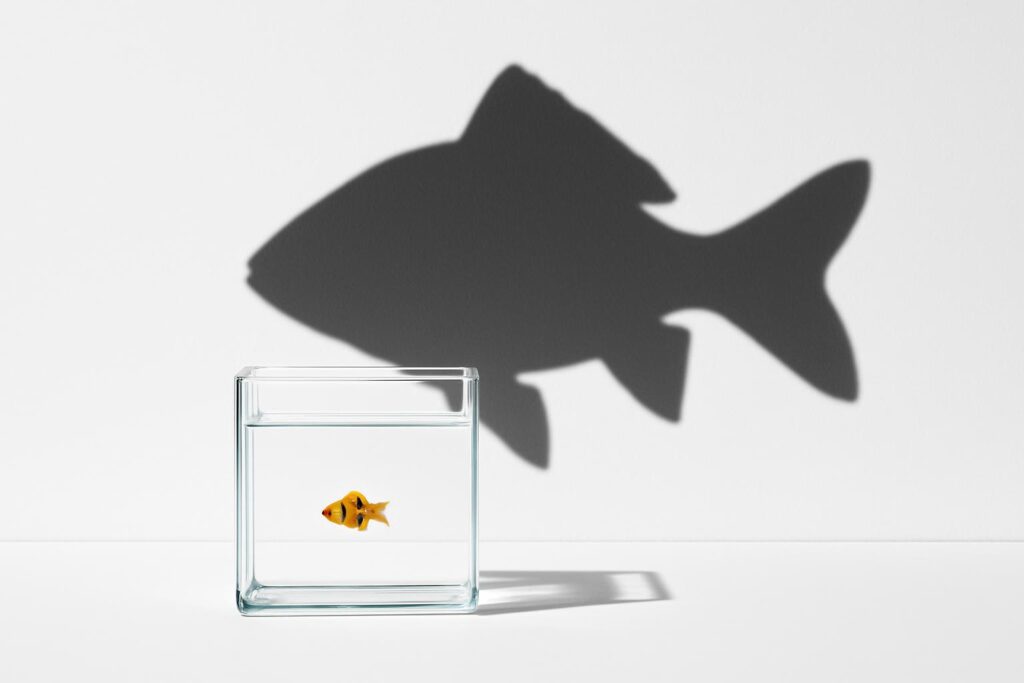
Big fish look impressive, but many of the species sold as cute juveniles will quickly outgrow home aquariums. These are called tankbusters. If you are new to fishkeeping, understanding what tankbusters are and why to avoid them will save you stress, money, and heartache. This guide explains the term, shows which species to skip, offers safer alternatives, and gives you a clear plan if you already bought one.
Introduction
Tankbusters are fish that grow too large, too fast, or too demanding for the typical home tank. Pet stores often sell them small without clear guidance on adult size or care. New keepers get attached, then discover the fish needs a tank the size of a couch, a filtration system like a small pond, and a feeding bill that rivals a dog. Start right by learning what to avoid, what to choose instead, and how to plan a stock list that works long term.
What Does Tankbuster Mean
Tankbuster is a hobby word for fish that realistically cannot be kept long term in standard home aquariums. Size is the main factor, but it is not the only one. Some species grow massive. Some produce heavy waste that overwhelms filters. Some are extremely active or skittish and injure themselves in tight spaces. Others are strong predators that eliminate tankmates.
Juveniles Versus Adults
The danger lies in how different juveniles look from adults. A two inch baby redtail catfish or iridescent shark looks calm and cute. In a year, that same fish can be a fast growing foot long juvenile demanding more water volume than your current tank can give. Many tankbusters outgrow a common 40 to 75 gallon tank in months, not years.
Why Stores Still Sell Them
Demand is high because big fish look exciting. Many shops expect buyers to upgrade or to move fish to ponds or very large tanks. Some staff do warn customers, but signs are often vague. As the buyer, you protect your tank by checking adult size, behavior, and space needs before purchase.
Why Beginners Should Avoid Tankbusters
Size and Space Requirements
Large fish need long tanks with big footprints, not just tall tanks. A fish that reaches 24 inches needs a tank at least several times its body length in width and length to swim and turn. That often means eight feet or more in length. Most homes do not have space, floor support, or budget for that.
Filtration and Bioload
Tankbusters eat a lot and produce heavy waste. They need oversize filtration with high turnover, large media volume, and stable beneficial bacteria. Even with strong filters, large fish often require big weekly water changes to keep ammonia, nitrite, and nitrate under control. Beginners often underestimate this workload.
Diet and Cost
Many big species need varied, protein rich foods such as quality pellets, seafood, insects, or vegetables in bulk. Feeding costs add up fast. Underfeeding or poor diet causes health issues, deformities, or aggression as fish seek calories from tankmates.
Behavior and Safety
Some tankbusters are powerful, jumpy, and easily startled. In too small a tank they crash into glass, injure themselves, or break equipment. Predatory species see smaller fish as food. Even if they seem peaceful while small, their adult instinct takes over as they grow.
Lifespan and Commitment
Large fish can live for many years. Arowana and big catfish can reach a decade or more. This is a long commitment to maintenance, space, and cost. Many beginners are not ready for that level of responsibility from the start.
Rehoming Challenges and Ethics
Finding a suitable new home for a tankbuster is hard. Public aquariums rarely accept hobby fish. Hobbyists with giant tanks are few and usually already stocked. Rehoming delays lead to stunting, stress, and early death. Keeping species you cannot house long term is avoidable with the right choices at purchase time.
Common Tankbusters Beginners Should Avoid
Iridescent Shark Pangasianodon hypophthalmus
Also sold as pangasius or shark catfish. This schooling river fish grows to well over 24 inches and prefers large groups and long tanks. It is nervous, fast, and prone to panic swimming. In small tanks it injures itself and never settles. It needs public aquarium scale space to thrive.
Redtail Catfish Phractocephalus hemioliopterus
Often sold at a few inches, it can exceed 36 inches and has a huge mouth. It swallows tankmates, eats continuously, and demands pond level filtration and space. This is a pond or public aquarium fish, not a living room fish.
Tiger Shovelnose Catfish Pseudoplatystoma species
A sleek predator with a long snout and rapid growth. Adults pass 30 inches and need very large, secure systems with strong current and open swimming space. They are opportunistic feeders and will consume anything they can fit.
Pacu Colossoma and Piaractus species
Related to piranha but mostly plant eaters. Pacu grow massive, often 24 to 30 inches or more, with deep bodies and crushing jaws. They need enormous tanks, heavy filtration, and large amounts of greens and pellets. They are not community fish for small tanks.
Common Pleco Hypostomus and Pterygoplichthys species
Sold as algae eaters at two to three inches. Many species reach 12 to 24 inches and produce heavy waste. They outgrow community tanks, can rasp slime coats on tankmates when hungry, and are hard to rehome. Choose a smaller pleco species instead.
Silver Arowana Osteoglossum bicirrhosum
A surface dweller that can exceed 30 inches and jumps powerfully. It needs extreme length, tight lids, and calm surroundings. It is carnivorous and will eat smaller fish. Not suitable for beginners or standard tanks.
Clown Knifefish Chitala ornata
Graceful as juveniles, but adults can pass 30 inches. They are nocturnal, predatory, and sensitive to poor water quality. They require very large, dimly lit tanks with hiding spaces and calm tankmates.
Peacock Bass Cichla species
Large predatory cichlids that often reach 24 to 30 inches. They are fast, powerful, and require strong filtration, big water changes, and suitable prey sized foods. These fish are not community safe and not for beginners.
Freshwater Stingrays Potamotrygon species
Demand pristine water, broad floor space, soft sand, and advanced care. They are sensitive to medications and water quality swings. They also carry a sting and are best left to experienced ray keepers with very large systems.
Koi and Large Goldfish in Indoor Tropical Tanks
Koi and common goldfish grow large, are heavy waste producers, and prefer cooler water. They do best in ponds or very large unheated tanks with heavy filtration. They are not a fit for typical tropical community aquariums.
How Big Is Big Enough
For most tankbusters listed here, any tank under 180 to 300 gallons is still too small long term. Length matters more than volume. A fish over 18 inches needs a tank at least several body lengths long and wide enough for comfortable turns. Filtration must be sized for messy, oxygen hungry fish. These needs are beyond most beginner setups.
If You Already Own a Tankbuster
Confirm the Species and Adult Size
Find the scientific name on your receipt or ask the store. Look up adult size, behavior, and diet. This tells you how urgent an upgrade is.
Stabilize Water Quality Now
Increase water change frequency to keep ammonia and nitrite at zero and nitrate as low as possible. Vacuum waste often. Add additional filtration if available. Keep feeding moderate and high quality to limit excess waste.
Protect Tankmates
Remove fish that can be eaten or bullied. Keep décor minimal to prevent crashes for fast swimmers, but provide safe cover for stressed fish that need it.
Plan an Upgrade or Rehome
If you can realistically upgrade to a suitable tank with proper filtration soon, plan it. If not, start rehoming. Contact local aquarium clubs, reputable stores with buyback programs, or experienced keepers. Be honest about size and behavior. Never release fish into the wild.
Learn from the Experience
Use this as a lesson in research before purchase. Going forward, pick species that fit your space and skill. The best aquarium is one you can maintain well for the life of the fish.
Safer Alternatives with a Big Fish Feel
You can enjoy presence and personality without the extreme demands. Choose fish with manageable adult sizes and compatible behavior.
Smaller Plecos Instead of Common Pleco
Bristlenose pleco Ancistrus species reach about 4 to 6 inches, eat algae and prepared foods, and fit well in many community tanks. Rubber lip pleco Chaetostoma species stay small and prefer cool, well oxygenated tanks with good flow. These species produce less waste and are easier to feed.
Manageable Catfish
Synodontis species such as Synodontis eupterus featherfin catfish often reach 6 to 8 inches and work in medium to large community or semi aggressive tanks. They are active at night, hardy, and easier to house than giant predators.
Cichlids with Personality That Fit Home Tanks
Electric blue acara Andinoacara pulcher reaches about 6 to 7 inches, is relatively peaceful, and shows great color. Keyhole cichlid Cleithracara maronii stays around 4 inches and is gentle. Severum Heros species can reach 8 inches and need a larger tank, but are far more manageable than peacock bass. Firemouth Thorichthys meeki and rainbow cichlid Herotilapia multispinosa are also good medium sized options with care.
Centerpiece Fish for Community Setups
Angelfish Pterophyllum scalare bring height and grace at about 6 inches body size and work in taller, planted tanks. Pearl gourami Trichopodus leerii grows to about 4 to 5 inches and shows excellent color and behavior in calm communities with floating plants.
Active Schooling Fish with Presence
Congo tetras Phenacogrammus interruptus reach 3 to 4 inches and look impressive in groups with good flow and plants. Giant danios Devario aequipinnatus reach around 4 inches and provide strong movement in longer tanks. These species offer energy without the scale of a tankbuster.
Algae and Cleanup Team for Smaller Tanks
Nerite snails are efficient algae grazers that do not breed in freshwater. Otocinclus catfish are small algae eaters for mature, well established tanks but need stable water and steady food. These choices help with maintenance without heavy waste loads.
Planning Stock the Right Way
Start with Adult Size
Check the adult length and body depth for each species. Do not buy based on juvenile size. Fit your stock to the tank you have, not a tank you hope to buy later.
Match Tank Footprint and Activity
Active swimmers need length. Bottom dwellers need floor space. Tall fish need height. Pick a tank footprint that matches the species you want, or pick species that match the footprint you have.
Filtration and Water Changes
Aim for strong filtration with ample biological media. For most community setups, a total turnover of 5 to 10 times per hour works well, adjusted for fish load and filter type. Plan weekly water changes of 30 to 50 percent for stable water quality.
Feeding and Bioload
Choose fish that accept quality pellets or flakes with supplemental frozen or fresh foods. Avoid species that need live prey or heavy protein at large volumes if you are new to the hobby.
Behavior and Compatibility
Research temperament. Many problems come from mixing fish that do not belong together. Avoid pairing small community fish with predators, even if the predator is still small.
Quarantine and Observation
Quarantine new arrivals when possible. Observe for disease, feeding response, and behavior. Healthy fish adapt better and reduce risk to your established stock.
Budget and Long Term Care
Account for food, water conditioner, test kits, filter media, and electricity. A setup that is comfortable to maintain is more likely to stay stable and enjoyable long term.
Myths That Cause Tankbuster Trouble
They Only Grow to the Size of the Tank
This is false. Stunted fish suffer internal organ and skeletal damage, shortened lifespan, and chronic stress. Growth is limited by poor conditions, not controlled in a healthy way.
It Will Be Fine Until I Upgrade
Upgrades often get delayed. A fast growing fish can outpace your plans in months. Buy species that fit your current tank today.
It Eats Algae So It Is Safe for Any Tank
Common plecos sold as algae eaters become large, powerful fish with heavy waste output. Choose smaller, known species instead of generic algae eater labels.
Quick Size Guide for Perspective
Under 6 inches adult size is generally manageable for beginners, given proper tank size and filtration. Six to ten inches needs careful planning and a larger tank. Over ten inches is advanced and often unsuitable for standard homes. Over eighteen inches is a tankbuster for nearly all beginners.
Case Study Outline
A two inch iridescent shark in a 55 gallon looks fine for a few weeks. It grows fast, becomes skittish, and slams into glass during water changes. Filtration struggles with waste. Tankmates vanish. The owner scrambles to rehome but finds no takers. This is common and preventable with better species choice.
Build a Stock List That Works
Pick a Tank Size and Stick to It
Decide your tank size first. Choose fish whose adult size and behavior fit that volume and footprint. Avoid fish that require an upgrade plan.
Limit Species and Overlap
Fewer species with proper group sizes and compatible roles is better than a crowded mix. This leads to stable behavior and easier maintenance.
Plan Maintenance You Can Keep
Commit to a realistic water change schedule. Choose filtration you will clean. Stock within your comfort zone so you enjoy the hobby.
Conclusion
Tankbusters are impressive, but they are not beginner fish. They grow fast, need massive space and filtration, eat heavily, and complicate every aspect of care. Shops sell them small, but that does not change what they become. Avoid the trap by researching adult size, behavior, and needs before you buy. Choose manageable alternatives like bristlenose plecos, synodontis catfish, electric blue acaras, angelfish, pearl gouramis, and robust schooling fish. If you already have a tankbuster, stabilize care and plan an ethical rehome or a realistic upgrade. A successful aquarium is built on planning, not on hope that a fish will stay small. Start with species that fit your life, and you will enjoy a healthy, beautiful tank for years.
FAQ
Q: What is a tankbuster
A: Tankbuster is a hobby word for fish that realistically cannot be kept long term in standard home aquariums due to adult size, heavy waste, activity level, or predatory behavior.
Q: Why are tankbusters a bad choice for beginners
A: They grow too large for common tanks, overwhelm filtration, cost more to feed, can be dangerous to tankmates, live a long time, and are very hard to rehome.
Q: Which common store fish are tankbusters
A: Iridescent shark, redtail catfish, tiger shovelnose catfish, pacu, common pleco, silver arowana, clown knifefish, peacock bass, freshwater stingrays, and koi or large goldfish in indoor tropical tanks.
Q: What are good alternatives to tankbusters for a beginner
A: Bristlenose plecos, synodontis catfish, electric blue acara, keyhole cichlid, severum with proper tank size, angelfish, pearl gourami, congo tetras, and giant danios.
Q: What should I do if I already bought a tankbuster
A: Confirm the species and adult size, stabilize water quality with frequent changes and strong filtration, protect or remove vulnerable tankmates, and plan either a realistic upgrade or ethical rehome through clubs or reputable stores.