
We are reader supported. When you purchase through links on our site, we may earn an affiliate commission. Also, as an Amazon affiliate, we earn from qualifying purchases.
Anchor worm scares many new fish keepers because it looks dramatic and seems to appear overnight. The good news is that you can stop it. This guide explains what anchor worm is, how to spot it early, what to do right away, and how to treat it in a way that ends the cycle. You will also learn how to protect your fish from reinfection and care for any wounds left behind. Read through once to get the big picture, then follow the steps that match your setup.
What Anchor Worm Is
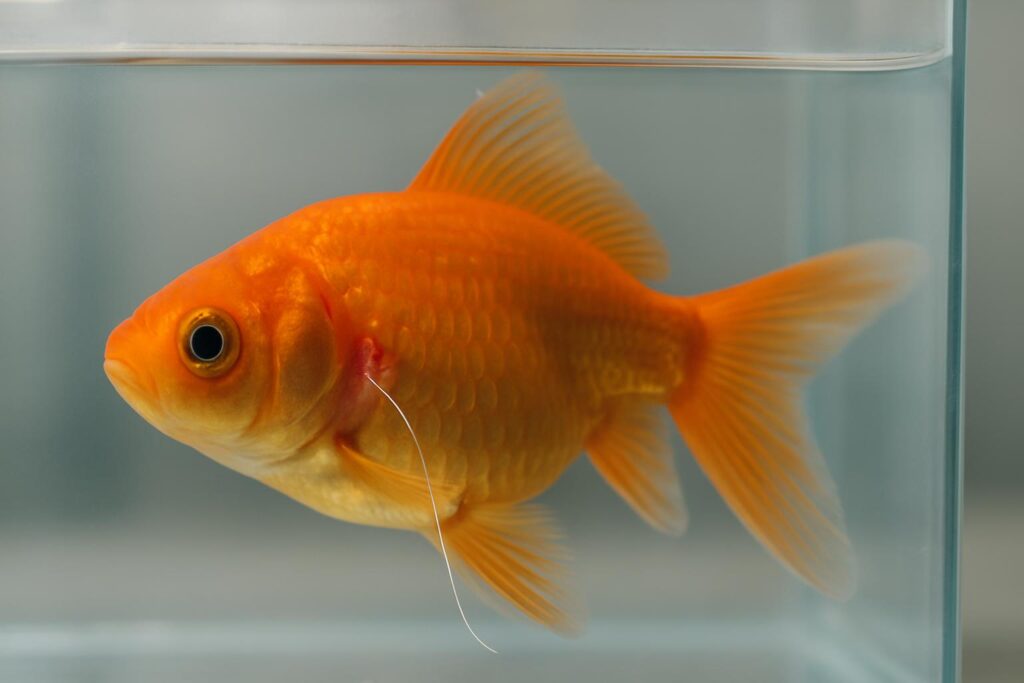
Anchor worm, also called Lernaea, is not a worm at all. It is a parasitic crustacean. The adult female attaches deep into a fish’s skin or gill tissue and leaves a thread like body hanging outside. This is why it looks like a worm sticking out of the fish. Once attached, it causes irritation, sores, and opens the door for bacterial infections.
Life Cycle and Why It Matters
Lernaea has several life stages. Eggs release into the water. The early stages swim freely. Later stages search for a host fish and embed. Only targeted treatments will affect certain stages, and attached adults can be hard to kill. This is why one dose is rarely enough and why you must treat the tank, not just the fish you can see with the parasite.
Temperature and water conditions change how fast the parasite develops, but you should assume that new parasites will keep appearing for at least one to two weeks after the first adults are seen. Plan for repeat dosing according to the product directions to break the cycle.
Fish and Setups at Higher Risk
Anchor worm is common in ponds, outdoor tubs, and systems that receive new fish without quarantine. Goldfish, koi, and other carp relatives are frequent hosts, but it can attach to many freshwater species. Heavily planted or shrimp tanks are at special risk during treatment because some medications that work on Lernaea also harm invertebrates.
How to Identify Anchor Worm
Visible Signs on the Body
Look for a thin, thread like parasite sticking out from the skin, often white to pale green. The base of the parasite usually has a red or inflamed sore. You may also see a forked tail on the exposed part of the parasite. Common attachment points include fins, the base of the pectoral fins, the gill cover, the flank, and near the vent. One fish may carry multiple parasites in different spots.
Secondary changes include missing scales, frayed fins, and cloudy patches around the wound. In advanced cases, ulcers develop and can spread if bacteria take hold.
Behavioral Signs That Support the Diagnosis
Fish may flash against objects, clamp fins, breathe faster if parasites are near the gills, or isolate. Appetite often drops, and fish become skittish. These signs are not specific to anchor worm, but when combined with the visible parasite they confirm the problem.
How to Tell It Apart from Lookalikes
Columnaris and other bacterial infections can cause white patches but do not produce a single thread like strand that moves with the water. Leech parasites are flatter, wider, and move across the skin rather than protruding from a single embedded point. Fungal tufts look cottony and spread outward, not like a stiff string anchored in one spot. With anchor worm you almost always see a distinct, stiff filament with a red point at the base.
Immediate Actions When You Suspect Anchor Worm
Quarantine Promptly
Move any fish with visible parasites to a hospital tank if you can. This lets you treat at the correct dose, protect invertebrates and plants in the display, and observe fish closely. Use a clean, heated, filtered tank with matched water parameters. Keep the hospital tank bare bottom for easy cleaning and strong aeration.
If you cannot move the fish, plan to treat the entire display system and be mindful of livestock that cannot tolerate certain medications.
Diagnostic Checklist Before Treatment
Confirm that at least one fish shows a thread like parasite protruding from the skin with a small red sore. Note how many fish are affected, and where the parasites are attached. Check water parameters for ammonia, nitrite, nitrate, pH, and temperature, since poor water quality slows healing. Decide whether invertebrates or delicate plants are present, because this affects the medication you can use.
Treatment Options That Work
Manual Removal When Safe
On larger fish with a single accessible parasite, you can sometimes remove the parasite by hand. Use clean, fine tweezers. Hold the fish gently and keep it wet. Grasp the parasite as close to the skin as possible and pull in a slow, steady motion along the same angle as it enters the skin. Do not yank from the side. If the parasite breaks off, the head can remain embedded and cause infection. If you are not confident or the parasite is near the eye or deep in the gill cover, skip manual removal and treat medically instead.
After removal, rinse the area with clean tank water. In the hospital tank, use clean water and gentle aeration to support healing. For multiple parasites or small fish, rely on medication rather than manual removal.
Salt Dips for Support
Salt dips can reduce stress, aid osmoregulation, and sometimes affect free swimming stages, but they rarely cure anchor worm on their own. Use them as supportive care, not as the only treatment. Prepare a separate container with dechlorinated water and non iodized aquarium salt. Match temperature and pH. Keep the dip short and watch the fish at all times. Move the fish back to the main or hospital tank if it shows distress. Avoid dips for delicate species that do not handle osmotic changes well.
Targeted Medications
To end an outbreak, you need a treatment that covers the attached adults and the stages that will attach soon. Follow the product label exactly and plan on repeat doses to cover the full life cycle.
Products that inhibit chitin formation, such as those based on diflubenzuron or lufenuron, are widely used for Lernaea. These disrupt the parasite’s ability to molt, which breaks the life cycle. Caution is essential because they will also harm shrimp, crayfish, crabs, and most other invertebrates. They may also affect some snails and can stress certain plants. If you keep invertebrates, move fish to a hospital tank for treatment and leave the display fish free for several weeks while the parasite stages die out.
Potassium permanganate is another option used as a controlled bath or system treatment. It is an oxidizer, so aeration and careful dosing are critical. It can damage gills and biofilters if overdosed. Only use it if you can measure and monitor it closely and you have experience with oxidative treatments.
Avoid random use of copper, formalin, or general cure medications that are not aimed at Lernaea. They do not reliably kill embedded anchor worm and can harm fish or beneficial bacteria. Do not combine multiple harsh treatments unless a veterinarian directs you to do so.
How to Treat a Display Tank vs a Hospital Tank
In a hospital tank you can dose at the label rate, remove carbon, increase aeration, and perform partial water changes as directed between doses. You also avoid exposing shrimp and plants. In a display tank you must remove carbon and other chemical filtration, boost aeration, and accept that some invertebrates may not survive if you use a chitin inhibitor. If the display has invertebrates or delicate plants, moving fish to a hospital tank is the safer route.
In all cases, repeat the treatment according to the product schedule. Do not stop after the first sign of improvement. Continue until no new parasites appear for at least two weeks.
Wound Care and Secondary Infections
Clean Water Is Step One
Anchor worm leaves a puncture that can turn into a bacterial ulcer. Keep water clean and stable. Aim for zero ammonia and nitrite, and keep nitrate as low as you can. Vacuum debris, perform regular partial water changes, and maintain stable temperature and pH.
Antibacterial Support When Needed
If you see reddening, swelling, or fuzzy growth at the wound, consider an aquarium safe antibacterial medication in the hospital tank. Follow the label closely. Do not use antibiotics without reason, and do not treat in the display if it will harm the biofilter. Salt at low levels can also help relieve stress and support healing, but it does not replace antibacterial medication when an infection is present.
Topical swabbing is risky for small fish and can cause more harm than good. Focus on whole tank support, clean water, and quiet conditions. Provide high quality food once the fish resumes eating.
Prevention That Actually Works
Quarantine New Fish
Quarantine every new fish for at least four weeks. Watch daily for any threads, sores, or flashing. If you spot anchor worm in quarantine, treat there and keep the display safe. Do not share nets, siphons, or towels between quarantine and display tanks.
Quarantine or Disinfect Plants and Hardscape
Parasite stages can hitchhike on plants or decor from systems that held fish. Quarantine live plants without fish hosts, or use plant safe disinfection methods before adding them to your display. Keep dedicated tools for plant tanks if possible.
Maintain Strong Routine Care
Stable water conditions help fish resist parasites and heal faster. Keep up with water changes, filter maintenance, and steady feeding. Do not overcrowd. Avoid sudden swings in temperature or pH. Observe your fish daily so you catch problems early when they are easier to fix.
Disinfect Tools After an Outbreak
Clean nets, siphons, and buckets after working with infected fish. Drying equipment fully between uses is helpful. You can also use a mild bleach solution followed by a thorough rinse and dechlorination. Good tool hygiene prevents moving the parasite from tank to tank.
Monitoring Progress and When to Escalate
What Good Progress Looks Like
Within a few days of starting targeted treatment, you should see fewer new parasites. Existing attached adults may die and detach. Inflammation should decline, and fish should flash less and breathe more normally. Appetite should improve as stress drops. Keep observing twice daily.
When to Seek More Help
If new parasites keep appearing after you completed a full course as directed, review your steps. Confirm you removed carbon, dosed for the full water volume, repeated on schedule, and maintained strong aeration. If everything was correct and the problem persists, consult a veterinarian who works with fish. Bring notes on your dosing, water tests, and photos of the fish.
Common Mistakes to Avoid
Do not treat once and stop. The life cycle demands repeat dosing. Do not rely on salt alone to fix an established outbreak. Do not mix multiple strong medications out of frustration. Do not treat a shrimp or snail tank with chitin inhibitors. Do not neglect water quality during treatment. Do not pull parasites from delicate spots if you are unsure; treat instead.
Special Notes on Safety
Anchor worm does not infect humans. Still, wash your hands and tools after tank work to keep your systems clean and to avoid moving the parasite to other aquariums. Keep medications away from children and pets. Label the hospital tank so no one feeds or handles it by mistake during treatment.
Conclusion
Anchor worm looks frightening, but it follows rules you can use to defeat it. Confirm the diagnosis, isolate and stabilize fish, choose a targeted medication, and repeat dosing to match the life cycle. Support healing with clean water and watch for secondary infections. Protect your display by quarantining new arrivals and disinfecting tools. With a steady plan, your fish can recover and your tank can return to normal.
FAQ
Q: What does anchor worm look like on fish?
A: A thin, thread like parasite sticks out from the skin, often white to pale green, with a red or inflamed sore at the base; the exposed part may show a small forked tail, and common spots include fins, the gill cover, the flank, and near the vent.
Q: Can salt alone cure anchor worm?
A: No, salt dips can help reduce stress and may affect free swimming stages, but they rarely eliminate an established outbreak; you need a targeted parasite treatment and a system wide approach.
Q: How often should I repeat treatment for anchor worm?
A: Repeat according to the product directions to cover the life cycle, commonly after 7 to 10 days, and continue until no new parasites are seen for at least two weeks.
Q: Is it safe to treat a planted or shrimp tank for anchor worm?
A: Treatments that block chitin such as diflubenzuron or lufenuron will kill shrimp and other invertebrates and may harm some plants; move fish to a hospital tank for treatment when invertebrates or delicate plants are present.
Q: Can anchor worm harm humans?
A: No, Lernaea parasites do not infect humans, but wash hands and tools to prevent spreading the parasite between tanks.