
We are reader supported. When you purchase through links on our site, we may earn an affiliate commission. Also, as an Amazon affiliate, we earn from qualifying purchases.
Tankbuster is a simple word with serious impact. It describes fish that grow far larger and faster than most home aquariums can support. They are sold small, look calm in the store, and seem easy at first. Months later they outpace your tank, your filter, your budget, and your schedule. For beginners, tankbusters are the shortest path to frustration and fish welfare problems. This guide explains what a tankbuster is, why these fish cause trouble, which species to avoid, what to buy instead, and what to do if you already have one.
What Is a Tankbuster
A tankbuster is any fish that quickly reaches a size, activity level, or care demand beyond typical home aquariums. The fish itself is not the problem. The mismatch between the fish and the enclosure is the problem. Most beginners start with tanks between 75 and 300 liters, or 20 to 75 gallons. Many common tankbusters need far more space than that once adult.
In stores, tankbusters are often sold as juveniles. A 5 cm fish can look harmless. The label may say community fish or algae eater. The adult reality is very different. Many of these fish become 30 to 120 cm long, produce heavy waste, need strong current and oxygen, require heavy lids, and display territorial or predatory behavior. They are not beginner fish.
How To Recognize a Tankbuster
Adult Size vs Juvenile Size
The top signal is the adult size. If a species regularly reaches 30 cm or more, assume it will outgrow beginner tanks. If adults exceed 45 cm, you are in pond or custom aquarium territory. Sellers rarely display adult specimens, so you must look up the adult size before buying.
Activity and Swimming Style
Fast, continuous swimmers need long tanks with unobstructed space. Even if a fish is not huge, it can be a tankbuster if it never stops swimming and needs groups. Examples include bala sharks and tinfoil barbs. These fish stress and injure themselves when cramped.
Growth Rate
Many tankbusters add several centimeters per month during the first year. They can outgrow a starter tank in a single season. Planning upgrades later is risky because delays cause stunting, deformities, and disease.
Temperament and Diet
Large carnivores eat tankmates. Territorial species injure or kill smaller fish. Heavy protein diets create more waste, which means bigger filters, more water changes, and higher costs.
Welfare and Lifespan
Tankbusters often live for 10 to 20 years or more. This means long commitments and consistent space and maintenance. A fish that cannot turn easily, cannot swim normally, or cannot express natural behavior is not housed humanely.
Why Beginners Should Avoid Tankbusters
Space and Equipment Escalation
Large fish need long, wide tanks. As size increases, water volume and floor space must rise fast. Filtration must handle heavy waste and high flow. Heaters, lids, lighting, stand, and floor support all get more expensive. Saltwater versions also need larger sumps and higher circulation.
Maintenance Load
Big fish produce big messes. Expect large and frequent water changes, filter maintenance, and debris removal. Skipping maintenance leads to nitrate spikes, algae, and disease.
Compatibility Problems
Predation, fin nipping, and body slams are common with confined large fish. Stress and injuries accumulate. Replacing injured tankmates adds cost and ethical concerns.
Rehoming Is Hard
Public aquariums rarely accept donations. Stores often will not take large fish. Shipping is expensive. Local clubs help sometimes, but supply exceeds demand. Many owners feel stuck. Releasing fish into local waters is illegal and harmful.
Financial and Ethical Burden
Larger tanks, filters, electricity, food, and medications add up. The ethical burden is real. A cramped tank shortens life, deforms spines, and damages organs. Responsible fishkeeping avoids that outcome.
Common Tankbusters Beginners Should Avoid
Redtail Catfish and Large Catfish Hybrids
Redtail catfish can exceed 120 cm. They eat anything that fits in their mouth and produce heavy waste. Many stores also sell hybrids such as redtail catfish crossed with tiger shovelnose, which retain the size and appetite of both parents. These fish need indoor ponds or very large custom systems far beyond beginner setups.
Tiger Shovelnose Catfish
Tiger shovelnose catfish can exceed 90 cm. They are powerful swimmers and strong predators. They require enormous footprints, strong filtration, and a carefully planned diet. For beginners, they are not practical or humane choices.
Pacu
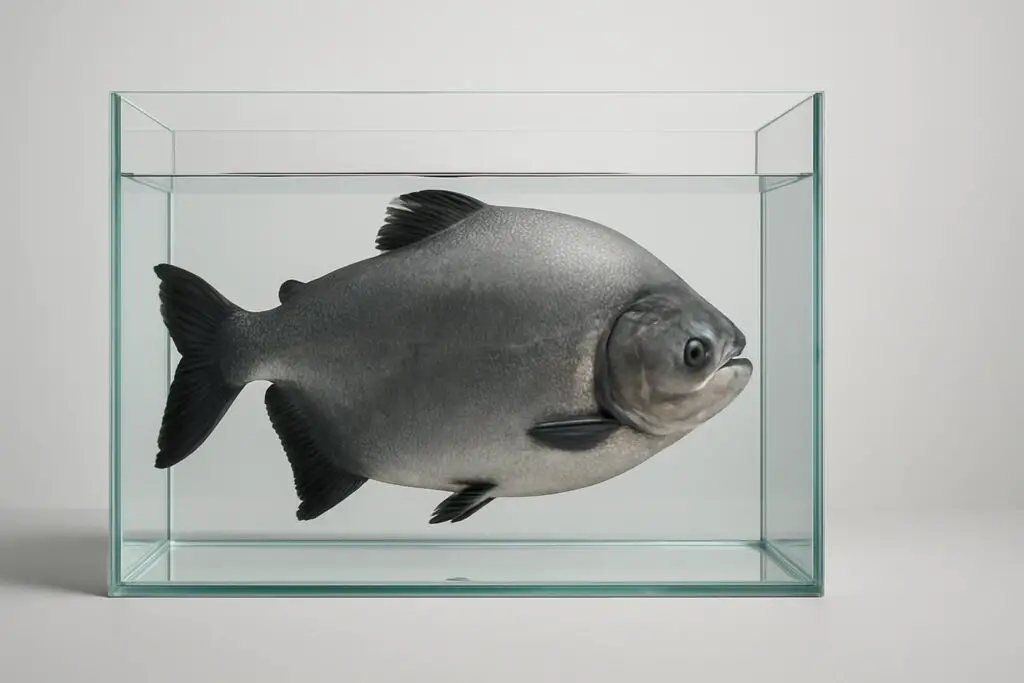
Pacu look like large silver dollars in the store. As adults they often reach 60 to 90 cm and require huge tanks with strong filtration and secure lids. They can damage plants, equipment, and decor. They are sold very small and grow very fast, which makes them a classic tankbuster.
Iridescent Shark
The iridescent shark is not a true shark but a pangasius catfish. In the wild it exceeds 100 cm. Even in captivity it becomes very large, is nervous, and needs groups and long tanks with unobstructed space. They panic in small tanks, injure themselves, and decline quickly under stress. Beginners should avoid them.
Silver Arowana
Silver arowanas are surface predators that can exceed 90 cm. They jump hard, require tight lids, and need long, wide tanks with calm but oxygenated water. They also swallow smaller fish. Their size, diet, and behavior do not fit beginner systems.
Clown Knifefish
Clown knifefish can reach 90 cm. They are nocturnal, predatory, and sensitive to poor water quality. Keeping them well requires large tanks with stable parameters and careful tankmate selection. They are not starter fish.
Common and Sailfin Plecos
Common plecos and sailfin plecos can exceed 45 cm. They produce heavy waste, outgrow small tanks, and often rasp on wood and plants. They are frequently mislabeled as general algae eaters. For algae control in small tanks, these plecos are the wrong choice.
Bala Sharks
Bala sharks reach 30 to 35 cm, are active, and need groups for security. A group requires a long tank with strong filtration and a tight lid because they jump. Most beginner tanks are too short and narrow.
Tinfoil Barbs
Tinfoil barbs reach about 35 cm and need groups. They swim constantly and demand large, open water. Small tanks cause stress, collisions, and fin damage. With their size and speed, they are unsuitable for beginners.
Koi in Indoor Aquariums
Koi are pond fish. They commonly exceed 60 cm and need very high oxygen levels and space to swim. Keeping koi indoors long term is not realistic for beginners. Choose a pond or choose different fish.
Freshwater Stingrays
Freshwater stingrays need wide tanks with fine sand, excellent water quality, and strong filtration. They are sensitive to nitrate, require specific diets, and can be dangerous to handle. They are advanced-only fish.
Saltwater Tangs, Groupers, and Triggers
Several marine species are also tankbusters. Large tangs such as sohal and naso tangs need very long systems and can be aggressive. Some groupers and triggers grow large and require heavy feeding and filtration. For a first saltwater tank, choose smaller, peaceful species instead.
How Stores Market Tankbusters
Misleading Common Names
Watch for names like algae eater or community fish on large plecos, or shark on iridescent sharks and bala sharks. Common names are not care sheets. Always check the scientific name and adult size.
Juvenile Displays
Stores mostly show juveniles because adults will not fit in standard sales tanks. A fish that looks calm at 5 cm will behave differently at 30 cm. Look for photos or videos of adult fish before buying.
Unclear Minimum Tank Sizes
If the tag does not list adult size and realistic minimum tank length, pause. Ask the staff. Verify with independent sources. If you cannot confirm, do not buy.
Practical Size and Tank Guidance
Plan Around Adult Length and Swimming Needs
Large predators need tanks that are long and wide enough to allow natural movement and turning. Active schooling fish need open water and group size. Short, tall tanks are not a substitute for length. If you see an adult size above 30 cm, expect to need long tanks in the 180 to 300 cm range with strong filtration and high oxygenation. If the fish reaches 60 cm or more, think in terms of indoor ponds.
Examples of Realistic Housing
Redtail catfish and large hybrids require pond scale systems. Pacu demand very large custom tanks or ponds. Silver arowanas often require tanks around 300 gallons with large footprints and secure lids. Iridescent sharks need long tanks and groups that push requirements well beyond common home setups. Common plecos do not belong in nano or small community tanks and need large aquariums as adults. Bala sharks and tinfoil barbs need long tanks and groups that exceed beginner capacity.
Better Alternatives That Look Big Without the Trouble
Bristlenose Pleco Instead of Common Pleco
Bristlenose plecos stay around 10 to 15 cm, eat algae and prepared foods, and fit well in medium tanks. They are hardy and much easier to house long term.
Severum or Electric Blue Acara Instead of Oscars
Severums and electric blue acaras offer a large cichlid feel without the extremes of size, aggression, and waste. They still need good filtration and stable water, but they suit medium to large community or semi-aggressive setups.
Angelfish for Height and Presence
Angelfish provide a striking profile without the mass of true tankbusters. A well-planned group can live in a medium tank with proper filtration and aquascaping.
Rainbowfish for Movement
Boesemani and other medium rainbowfish offer constant movement and color in a reasonable tank size. They like clean, oxygenated water and benefit from length, but they do not reach extreme sizes.
Small Synodontis Species for Catfish Interest
Smaller Synodontis species, such as Synodontis petricola, bring catfish behavior to the tank without the giant size of redtails or shovelnose catfish. They fit well in community systems with appropriate water parameters.
If You Already Own a Tankbuster
Assess Honestly and Set a Timeline
Measure the fish. Look up adult size and realistic space needs. Decide whether you can upgrade to a suitable tank or pond within weeks or months, not years. Do not rely on stunting to keep size down. Stunting is harmful and shortens lifespan.
Stabilize Conditions Now
Reduce crowding. Remove small tankmates at risk. Raise oxygen and flow if the species needs it. Tighten lids for jumpers. Increase water changes and strengthen filtration to keep ammonia and nitrite at zero and nitrates low.
Plan Food and Waste Management
Feed appropriate foods in controlled amounts to maintain condition without polluting the water. Clean up leftovers quickly. Review your filter media and flow paths to handle the extra bioload.
Rehoming Pathways
Contact local aquarium clubs, advanced hobbyists, and fish rescues. Ask reputable stores if they can help. Be transparent about size, health, and behavior. Never release fish into the wild.
Buying Checklist for Beginners
Key Questions Before You Pay
Confirm adult size, temperament, and growth rate. Confirm realistic minimum tank size and tank length, not only volume. Confirm diet and how messy the fish is. Confirm whether it needs a group or must live alone. Confirm lifespan and whether you can commit for the long term. If any answer is unclear, choose a different species.
Safe Stocking Mindset
Think Long Term, Not Next Month
Choose species that fit your current tank for their whole adult life. Plan for predictable maintenance and costs. Keep bioload within your filtration capacity. Avoid impulse buys.
Research From Several Sources
Use care sheets from reputable sources, species profiles, and experienced keepers. Compare adult sizes and tank needs to spot inconsistencies. When in doubt, select the smaller, calmer fish.
Ethics and Responsibility
Animal Welfare Comes First
Fish are living animals with needs you can measure. If the tank cannot meet those needs, do not buy the fish. A responsible aquarist matches species to space and care. That is the standard that protects your fish and your hobby.
Conclusion
Tankbusters are impressive, but they do not belong in beginner tanks. The mismatch between juvenile sales and adult reality causes stress for the owner and harm to the fish. Learn to recognize adult size, activity, growth rate, and care demands before you buy. Choose species that fit your tank for life. If you already own a tankbuster, act now to stabilize the fish and find a humane path forward. Good planning prevents regret and builds a rewarding, long-lasting aquarium.
FAQ
Q What is a tankbuster
A A tankbuster is any fish that quickly reaches a size, activity level, or care demand beyond typical home aquariums, often sold small but growing into a fish that needs far more space, filtration, and maintenance than beginners can provide.
Q Why should beginners avoid tankbusters
A Beginners should avoid tankbusters because they outgrow common tanks fast, require expensive equipment and heavy maintenance, cause compatibility problems, are very hard to rehome, and face welfare issues in cramped conditions.
Q Which common fish are tankbusters
A Common tankbusters include redtail catfish and large catfish hybrids, tiger shovelnose catfish, pacu, iridescent sharks, silver arowanas, clown knifefish, common and sailfin plecos, bala sharks, tinfoil barbs, koi in indoor aquariums, freshwater stingrays, and large saltwater species such as sohal and naso tangs along with some groupers and triggers.
Q What are safer alternatives to tankbusters
A Safer alternatives include bristlenose plecos instead of common plecos, severums or electric blue acaras instead of very large cichlids, angelfish for presence without the mass, rainbowfish for movement, and smaller Synodontis species for catfish interest.
Q What should I do if I already own a tankbuster
A Measure the fish, confirm adult size, and set a short timeline for a proper upgrade or rehoming, stabilize conditions now with better filtration, more water changes, fewer tankmates, and secure lids, and contact local clubs, advanced hobbyists, rescues, or reputable stores for rehoming while never releasing fish into the wild.