
We are reader supported. When you purchase through links on our site, we may earn an affiliate commission. Also, as an Amazon affiliate, we earn from qualifying purchases.
Betta splendens, known as the Siamese fighting fish, sits at the top of newcomer wish lists for good reasons. The fish is colorful, active, and full of personality. It can thrive in a modest sized aquarium with proper care. This guide explains why bettas are popular and shows you how to look after one the right way. Follow it step by step and you will avoid common mistakes and enjoy a healthy, long lived fish.
Why Siamese Fighting Fish Are Popular
Color and finnage variety
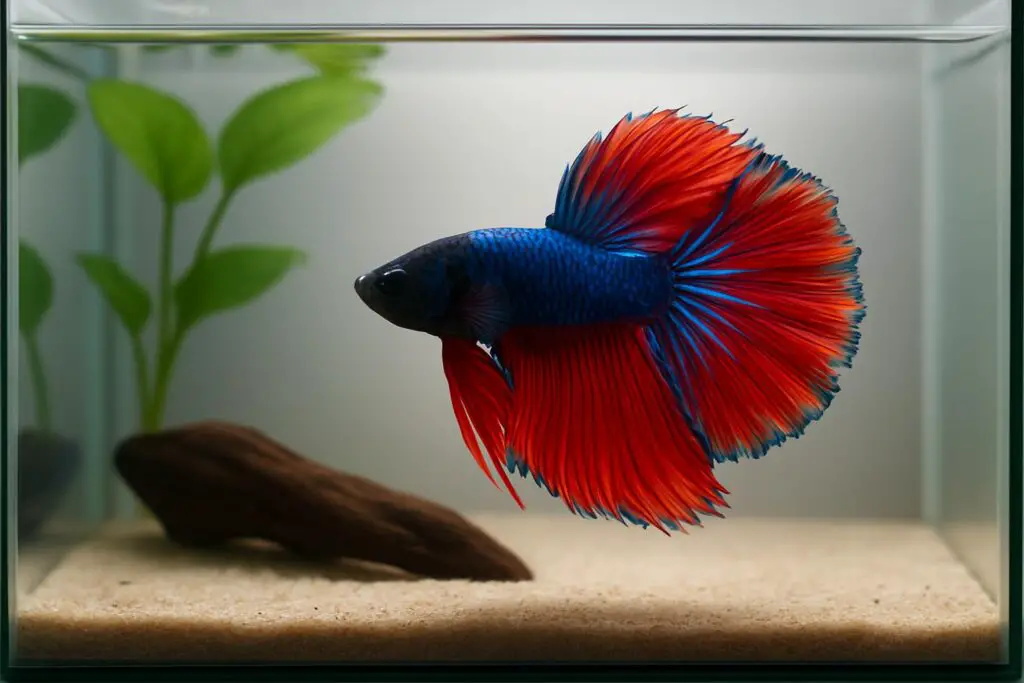
Bettas come in intense reds, blues, greens, coppers, whites, and more. You will find short fin plakat forms and long fin types like halfmoon and veiltail. There are patterns such as koi, marble, butterfly, and dragon scale. This variety lets you pick a fish that fits your taste.
Personality and interactivity
Bettas recognize routine and respond to their keeper. Many will follow your finger, flare at their reflection, and explore new decor. They use the upper and mid water and often rest on leaves near the surface. This behavior keeps you engaged.
Small space appeal with a caveat
Bettas breathe air using a labyrinth organ, so they handle low oxygen water better than many fish. This does not mean a bowl is fine. They still need filtration, heat, and room to swim. A proper small aquarium can fit on a desk or shelf and still meet their needs.
Hardy yet sensitive to water quality
Bettas tolerate a range of conditions and recover from minor mistakes. They still need clean, warm, stable water. Good husbandry prevents stress and disease. With care, most live three to five years.
Availability and budget friendly
Captive bred bettas are widely available. Prices range from entry level to premium show grades. Equipment for a single betta setup is affordable and easy to find.
Quick Species Snapshot
Scientific background and labyrinth organ
Betta splendens is native to shallow, warm waters in Southeast Asia. The species is anabantoid, using a labyrinth organ to breathe atmospheric air at the surface. They build bubble nests and show strong territorial behavior, especially males.
Lifespan and adult size
Adult size is about 2.5 to 3 inches body length, not including long fins. Typical lifespan ranges from three to five years with good care. Some live longer with excellent water quality and diet.
Responsible Setup
Minimum tank size and best practice
Use at least 5 gallons for one betta. A longer tank with more surface area is better than a tall container. More water volume buffers against rapid changes. Larger tanks are also easier to filter gently and to decorate with plants and hides.
Cycling explained simply
Cycling grows beneficial bacteria that convert toxic ammonia from waste into less harmful nitrate. Before adding a betta, run the filter with dechlorinated water, a source of ammonia like fish food or bottled ammonia, and test daily. When you can add a measured amount of ammonia and see ammonia and nitrite both drop to zero within 24 hours while nitrate rises, the tank is cycled. This usually takes 2 to 4 weeks. If you must add the fish sooner, do daily water tests and water changes to keep ammonia and nitrite at zero. A bottled starter culture can speed things up, but testing is still required.
Heater and temperature
Bettas are tropical fish. Keep water at 78 to 82 Fahrenheit or 25.5 to 28 Celsius. Use a reliable adjustable heater with a guard to prevent burns on long fins. Monitor temperature with a separate thermometer. Avoid sudden swings.
Filter and flow management
Use a gentle filter that does not blast the fish. Sponge filters and baffled hang on back filters work well. Aim the outflow against glass or use a pre filter sponge to soften flow. Leave enough surface calm for easy air breathing. Clean filter media in tank water during water changes to protect beneficial bacteria.
Lid, lighting, and photoperiod
Bettas jump. Use a tight fitting lid with cable cutouts sealed to reduce gaps. Provide a day night cycle with 8 to 10 hours of light. Use a timer for consistency. Dim periods at the start and end of the photoperiod reduce stress.
Substrate, plants, and decor
Fine sand or smooth gravel works well. Add live or realistic soft artificial plants. Choose broad leaves near the surface so the fish can rest. Add a few caves or tunnels with smooth edges. Avoid sharp decor that can tear fins. If using real wood, pre soak to remove tannins and help it sink. If using a betta hammock, place it near the surface but not directly under strong flow.
Water parameters and testing
Target pH 6.5 to 7.5. Stability matters more than chasing numbers. Moderate hardness is fine. Always use a water conditioner that removes chlorine and chloramine. Keep ammonia and nitrite at zero. Nitrate under 20 to 40 ppm is a reasonable goal. Test weekly with a liquid kit.
Step by Step Setup Checklist
Plan and purchase
Select a 5 to 10 gallon tank with lid. Add an adjustable heater, gentle filter, thermometer, water conditioner, test kit for ammonia, nitrite, nitrate, and pH. Choose substrate, plants, and decor. Have a siphon, bucket used only for the aquarium, and algae scraper.
Assemble and cycle
Rinse substrate until the water runs clear. Place substrate, hardscape, and dry fit equipment. Fill with dechlorinated water, start the filter and heater, and set temperature. Plant live plants if used. Begin the nitrogen cycle with an ammonia source and test daily.
Introduce the fish
When the tank is fully cycled and stable, float the fish bag to match temperature for 15 to 20 minutes. Add small amounts of tank water to the bag every 5 minutes for another 15 to 20 minutes. Net the fish into the tank and discard bag water. Keep the lights low for the first day.
Daily and Weekly Care
Feeding plan
Use high protein betta pellets as the staple. Give two small meals per day, about 2 to 6 pellets total depending on pellet size and the fish. Pellets should be small enough to swallow without chewing. Rotate in frozen or live foods such as daphnia, brine shrimp, or bloodworms two to three times per week. Add one fasting day weekly to reduce bloating. Remove uneaten food after a few minutes.
Water change schedule
Change 25 to 40 percent weekly after testing. For tanks under 5 gallons, plan two smaller changes per week. Match temperature and dechlorinate replacement water. Vacuum debris from the substrate during changes. Rinse filter media in removed tank water if flow slows.
Enrichment and observation
Add or rearrange soft plants and hides occasionally. Offer a safe mirror session of a few minutes every few days to stimulate natural display. Watch for normal swimming, appetite, and gill movement. Early changes in behavior often signal water or health issues.
Tankmates and Compatibility
What works
Bettas can live alone and often do best that way. In larger, calm community setups they can share space with peaceful species that ignore them. Options include small rasboras, pygmy corydoras, and kuhli loaches. Snails are generally safe. Shrimp may work if the tank is heavily planted with many hides since some bettas will hunt them.
What to avoid
Never house a male betta with another male betta. Avoid fin nippers such as many barbs and some tetras. Avoid flashy or long fin fish that trigger aggression. Stay away from fast fish that outcompete for food or cause stress.
Female groups note
Female groups called sororities are advanced only. They need larger tanks, dense planting, and careful selection. Even then, aggression can be severe. Beginners should keep a single fish.
Health and Troubleshooting
Stress signs
Watch for clamped fins, hiding all day, frantic surface gulping, loss of color, refusal to eat, or lethargy at the bottom. Test water first whenever you see stress. Most problems start with water quality or temperature.
Common diseases and first steps
Fin rot shows as frayed, receding edges and dark or pale tips. Improve water quality, keep it warm and clean, and remove stress. Ich looks like white salt like spots and causes flashing. Velvet shows as a fine gold dust and rapid gill movement. For parasites, raise temperature slowly within the safe range and consider an appropriate medication following the label in a hospital tank. Constipation and swim bladder issues follow overfeeding and poor diet. Fast for a day, then feed daphnia and smaller meals. If problems persist or worsen, consult a vet with fish experience.
Quarantine and medication tips
Quarantine new tankmates for at least 2 weeks to observe health. Treat in a separate container when possible to protect the main tank bacteria. Use aquarium salt only when indicated and at correct dosages, since plants and some species are sensitive. Avoid random antibiotic use. Diagnose first and follow directions exactly.
Buying Guide
What to look for in a betta
Choose a fish with clear eyes, full unfrayed fins, even scales, and steady swimming. The belly should not be sunken or bloated. The fish should respond to movement without gasping. Ask how long the fish has been in the store and what it eats.
Store and shipping tips
Pick a shop with clean tanks and active staff. Avoid fish kept in dirty cups or with dead neighbors. If ordering online, choose a seller with strong packing and live arrival support. Plan delivery for a day you are home to receive and acclimate the fish right away.
Budget and Essential Gear
Core equipment
You need a 5 to 10 gallon tank with lid, an adjustable heater, a gentle filter with pre filter sponge, a thermometer, a timer for the light, and a water test kit. Add substrate, plants, and hides. Have a siphon, bucket, and water conditioner.
Ongoing costs
Plan for food, water conditioner, replacement filter media, plant fertilizer if using live plants, and electricity for heater and filter. Set a small budget for emergency supplies like hospital tank containers and basic medications.
Common Mistakes to Avoid
Keeping bettas in unheated bowls
Cold water slows metabolism and weakens immunity. Always heat to the correct range.
Skipping the cycle
Adding a fish before the filter is cycled leads to ammonia and nitrite spikes. Cycle first, or test daily and change water aggressively until cycled.
Strong filter flow
High flow tires long fin bettas and damages fins. Reduce outflow and keep a calm surface zone.
Overfeeding
Bettas have small stomachs. Excess food pollutes water and causes bloating. Feed small meals and fast once a week.
Sharp decor
Rough edges tear fins. Choose smooth, soft, or plant covered decor.
Ignoring water tests
Clear water can still be unsafe. Test weekly so you can act before problems show.
Why Bettas Stay Popular When Kept Right
Low footprint, high reward
A betta tank takes little space yet offers daily interaction and a vivid display. With a 5 to 10 gallon system and simple tools, you can keep conditions stable and the fish healthy.
Room for creativity
From planted jungles to minimalist scapes, bettas adapt well when you meet their core needs. Their behavior and colors become richer in a well designed environment.
Conclusion
Siamese fighting fish are popular because they are beautiful, interactive, and accessible. Popularity should not lead to shortcuts. Give your fish a heated, filtered 5 gallon or larger home, cycle the tank, keep the water stable, and feed a varied, measured diet. Choose tankmates with care or keep it solo. Watch behavior, test water, and act early if something looks off. Follow this guide and your betta will reward you with color, activity, and years of companionship.
FAQ
Q: How big should a betta tank be
A: Use at least 5 gallons. A longer tank with more surface area is better than a tall vase. Larger volumes are more stable. Include a lid, heater, and gentle filter.
Q: What temperature and pH do bettas need
A: Keep 78 to 82 Fahrenheit or 25.5 to 28 Celsius with a heater. Aim for pH 6.5 to 7.5 and keep it stable.
Q: How often should I change water
A: Change 25 to 40 percent weekly after testing. For tanks under 5 gallons, plan two smaller changes per week. Always match temperature and dechlorinate.
Q: Can a betta live with other fish
A: Yes, in a calm community with care. Avoid other male bettas and fin nippers. Good options in larger tanks include small rasboras, pygmy corydoras, kuhli loaches, and snails. Shrimp may work if there are dense plants and hiding spots.
Q: What do bettas eat and how often
A: Feed high protein betta pellets as the staple. Give two small meals per day, about 2 to 6 pellets total depending on pellet size and the fish. Offer frozen or live daphnia, brine shrimp, or bloodworms two to three times per week. Add one fasting day weekly.