
We are reader supported. When you purchase through links on our site, we may earn an affiliate commission. Also, as an Amazon affiliate, we earn from qualifying purchases.
Fish sometimes dash, twist, and rub against rocks or sand. This can be normal, or it can be a clear sign of stress or disease. New keepers often panic or ignore it. Both reactions can cause problems. Stay calm and work methodically. You can identify what is happening, act fast when it matters, and prevent it from returning. Keep reading to learn how to tell normal grooming from flashing, what tests to run first, and which fixes work without risking your fish.
Introduction
Rubbing or scraping is common in aquariums. The key is context. Frequency, intensity, and other symptoms tell you whether you are seeing a harmless moment or a problem you must solve today. This guide explains flashing behavior, the real causes behind it, a step by step diagnosis plan, and practical treatments that beginners can handle. The focus is clarity and safety. You will know what to do within the next hour, day, and week.
What Flashing Really Is
Simple definition
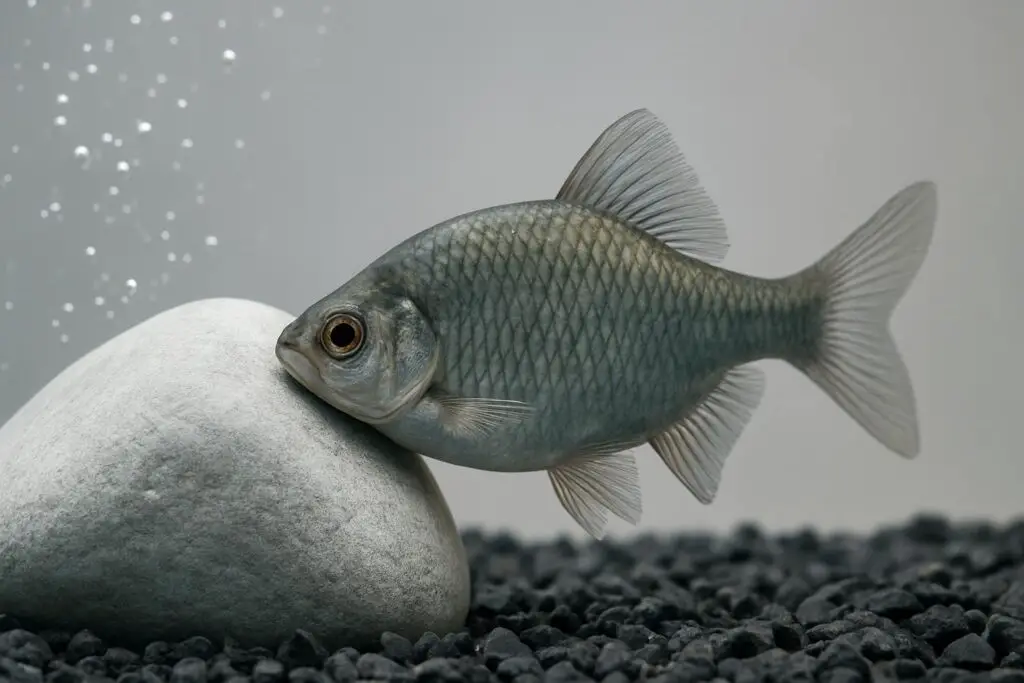
Flashing is a sudden, deliberate scrape of the body or gill area against a hard surface. The fish often darts first, then rolls its side, flank, or gills onto rock, wood, or substrate. It can look like a quick itch scratch.
Normal rubbing versus problem flashing
Normal rubbing is rare, gentle, and short. It happens once in a while with no other symptoms. Some species also use mild rubbing during courtship or to dislodge minor debris.
Problem flashing is frequent, forceful, and often focused on the gill area or the same spot on the body. It tends to come with other signs such as clamped fins, rapid breathing, hiding, loss of appetite, or visible spots. When you see this pattern, treat it as a warning sign and start your checks.
Common Causes of Flashing
External parasites
Parasites irritate the skin and gills. Fish scratch to relieve the irritation. Common culprits include:
Ichthyophthirius multifiliis also called ich. Look for many small white dots on fins and body. Fish often flash and show fin fraying or lethargy in later stages.
Gill and skin flukes. These are tiny flatworms that target gill tissue. Look for repeated gill focused flashing, one gill held open, or fast breathing.
Velvet also called gold dust disease. Look for a very fine yellow or brown dusting on the skin under bright light, clamped fins, and labored breathing.
Costia or chilodonella. Look for heavy mucus, grayish patches, and lethargy, often with persistent flashing.
Water quality irritants
Ammonia and nitrite irritate skin and gills even at low levels. High nitrate over time also causes stress. Chlorine or chloramine burns gills if tap water is not properly conditioned. Detergents, aerosols, paint fumes, or hand lotions can irritate fish and cause flashing.
Rapid parameter swings
Fast changes in temperature, pH, salinity, or hardness can trigger flashing. This happens after large water changes with mismatched water, during transport and acclimation, or when heaters or chillers fail.
Physical factors and normal behaviors
Some fish flick or rub during spawning. Cichlids and some livebearers may clean a site and rub nearby. Loaches, plecos, and catfish sometimes flick or wedge against decor as part of normal behavior. Occasional rubbing is expected if there are no other signs of stress.
How to Diagnose at Home
Step 1. Observe and note frequency
Watch for 10 to 15 minutes without tapping the glass. Count rubbing events. Note whether the fish targets gills or body, the surfaces used, and whether tank mates do the same. Note any extra signs such as clamped fins, gasping at the surface, hiding, visible spots, excess mucus, red streaks, or ragged fins.
Step 2. Test the water immediately
Use reliable test kits. Record these values:
Ammonia. Any reading above zero is harmful.
Nitrite. Any reading above zero is harmful.
Nitrate. Keep below 20 to 40 ppm for most freshwater community fish. Sensitive species prefer lower.
pH, KH, and GH. Stability matters more than a specific number for many fish. Large swings are risky.
Temperature. Confirm with a thermometer. Compare to the species range. Avoid sudden changes.
If you did a water change, confirm that a dechlorinator was used. If unsure, add a conditioner that treats both chlorine and chloramine right away.
Step 3. Inspect fish under good light
Check fins and body for small white dots. Inspect gills for redness, one gill pumping more than the other, or rapid breathing. Look for a fine yellow or brown dusting on the body. Check for gray patches or thick slime. Note any ulcers or frayed fins. Use a flashlight at a shallow angle to pick up fine dusting from velvet.
Step 4. Review recent changes and possible toxins
List anything new in the last 7 days. New fish, plants, food, decor, substrate, medications, filter media, or water source changes can all matter. Consider household products used near the tank. Air fresheners, cleaners, bug sprays, and paint can irritate gills. If you added new decor, confirm it is aquarium safe and thoroughly rinsed.
Step 5. Isolate if risk looks high
If multiple fish flash, water looks fine, and you see likely parasite signs, prepare a quarantine tank. A simple bare tank with heater, air stone, and a cycled sponge filter works best. Treat in quarantine whenever possible. This protects your display tank and invertebrates and lets you dose accurately.
24 Hour Action Plan
Stabilize water first
Perform a 30 to 50 percent water change with temperature matched water. Add a full dose of a quality dechlorinator. Vacuum the substrate if debris is visible. Clean filter intake sponges, but avoid deep filter cleaning that could remove all beneficial bacteria. Pause feeding for 12 to 24 hours to reduce waste while fish are stressed.
Boost oxygen
Increase surface agitation with a sponge filter, air stone, or by raising filter output height. Warmer water holds less oxygen, and many medications reduce oxygen. Strong aeration protects fish during treatment and recovery.
Decide on targeted treatment
Use the signs you collected:
Likely ich. Multiple small white dots on fins and body, frequent flashing, sometimes fin clamping. Consider starting an ich treatment plan. In freshwater, many aquarists use formalin malachite green products or heat plus salt when appropriate.
Likely gill or skin flukes. Persistent gill focused flashing, fast breathing, one gill open, sometimes no visible spots. Consider praziquantel based treatment.
Likely velvet. Very fine yellow or brown dust, clamped fins, photosensitivity, fast breathing. Consider a medication labeled for velvet. In freshwater, some use copper based products under strict control in quarantine.
Likely costia or chilodonella. Heavy slime, gray patches, lethargy, flashing. Consider formalin based treatment under strong aeration in quarantine.
If you do not see parasite signs and water quality was poor, stabilize water only and observe for 48 to 72 hours before medicating. Many cases resolve once ammonia, nitrite, chlorine, and temperature are correct.
Use aquarium salt carefully
Aquarium salt can help with mild external parasites, reduce nitrite toxicity, and support osmotic balance. Do not use salt with salt sensitive plants, invertebrates, or many scaleless fish. If you choose salt, dose based on the species you keep and dissolve it fully before adding. Replace only the amount removed during water changes. Stop if fish show stress.
Important medication cautions
Do not mix medications unless a product label says it is safe. Remove carbon from filters before dosing. Dose for actual water volume, not tank size on the box. Many catfish, loaches, and other scaleless fish are sensitive to medications. Copper cannot be used with invertebrates or in display tanks with porous decor because it binds to surfaces. Follow product labels exactly. When in doubt, treat in quarantine.
Aftercare and monitoring
Re test ammonia, nitrite, nitrate, and pH daily during treatment. Maintain strong aeration. Keep lights low if treating velvet. Observe flashing frequency. It should decrease within a few days with effective treatment and stable water. Continue full treatment courses as directed even if signs stop.
Prevention and Long Term Care
Quarantine every new fish and plant
Quarantine new fish for 2 to 4 weeks. Watch for flashing, spots, labored breathing, or appetite changes. Treat in quarantine if needed. Rinse and, if suitable for the species, dip new plants to remove pests before adding them to your display tank.
Match and stabilize water parameters
Keep ammonia and nitrite at zero. Keep nitrate as low as your stocking and plants allow. Match temperature and pH during water changes. Avoid large swings by changing smaller volumes more often if your tap water is very different from your tank water.
Maintenance you can keep up with
Set a schedule that fits your life. Many community tanks do best with 25 to 40 percent water changes weekly. Vacuum detritus where it collects. Rinse filter media in removed tank water to preserve bacteria. Replace media on a rotation, not all at once.
Stocking and filtration
Do not overstock. Give fish the space they need and compatible tank mates. Provide strong, reliable filtration with both mechanical and biological capacity. Add a pre filter sponge to protect small fish and to add bio surface area. Keep a cycled spare sponge in your display filter, ready for instant quarantine use.
Feeding and immunity
Feed species appropriate food in small amounts. Remove uneaten food after a few minutes. Vary the diet with quality flakes or pellets, frozen or live foods as suitable. Good nutrition supports a healthy slime coat and strong immune response.
Safe equipment and environment
Wash hands and forearms with plain water before working in the tank. Avoid soap, lotion, and sanitizer contact. Do not spray cleaners or aerosols near the aquarium. Rinse new decor thoroughly. Use only aquarium safe materials. Keep lids and covers to prevent contamination.
Species and Situation Notes
Goldfish
Goldfish produce heavy waste and often arrive with flukes. They are sensitive to ammonia and nitrite spikes. If goldfish flash, test water first, then consider fluke treatment if parameters are stable and no ich spots are present.
Loaches and catfish
Loaches and many catfish are sensitive to medications. They sometimes flick as part of normal behavior. Confirm water quality first. If you must medicate, choose products and doses that are safe for scaleless fish, and treat in quarantine.
Cichlids
Cichlids can rub during spawning and territory displays. Distinguish normal breeding behavior from stress. Frequent gill focused flashing with labored breathing points to irritation or parasites rather than courtship.
Marine and brackish fish
Marine ich and velvet are serious in saltwater. Copper based treatments are effective in quarantine systems only, never in reef tanks or with invertebrates. Stability of salinity, temperature, and pH is critical. Brackish species need consistent salinity that matches their range. Swings cause flashing.
Putting It All Together
A quick decision map
Frequent or forceful flashing with other signs. Test water now. If ammonia or nitrite are above zero, fix water first with large, temperature matched, dechlorinated water changes and strong aeration. If water is stable and you see parasite signs, treat for the most likely parasite in quarantine. If no parasite signs are visible, stabilize water and observe before medicating.
Warning signs that need fast action
Gasping at the surface or very fast breathing. Immediate aeration and water change are required.
Many small white dots appearing quickly. Start ich treatment after stabilizing water.
Very fine gold or brown dust and severe light sensitivity. Begin velvet treatment in quarantine with low light.
Persistent gill focused flashing with one gill pumping. Consider a fluke treatment plan.
Conclusion
Flashing is a symptom, not a diagnosis. Your job is to separate harmless rubbing from a real problem, then act in the right order. Stabilize water first. Increase oxygen. Identify likely causes from clear signs. Treat specifically in quarantine when possible. Build prevention into your weekly routine with quarantine, stable parameters, sensible stocking, and clean hands. Follow this process and you will cut risk, improve outcomes, and keep your fish calm and healthy.
FAQ
What is flashing in aquarium fish?
Flashing is a sudden, deliberate scrape of the body or gill area against a hard surface, usually triggered by irritation from parasites, water quality issues, or rapid parameter swings.
Is occasional rubbing against rocks normal?
Occasional, gentle, and brief rubbing with no other symptoms can be normal, but frequent or forceful rubbing, especially with clamped fins, rapid breathing, or visible spots, is not normal and needs attention.
What should I test first when my fish start flashing?
Test ammonia, nitrite, nitrate, pH, and temperature right away, and ensure your water is fully dechlorinated before it enters the tank.
How can I tell if it is ich or something else?
Ich shows many small white dots on fins and body with frequent flashing, velvet shows a very fine yellow or brown dust with clamped fins and fast breathing, and flukes often cause repeated gill focused flashing with one gill pumping.
When should I use medication and when should I avoid it?
Use medication after stabilizing water and identifying a likely parasite, avoid mixing medications, treat in quarantine when possible, follow labels exactly, and avoid copper with invertebrates or porous decor.