
We are reader supported. When you purchase through links on our site, we may earn an affiliate commission. Also, as an Amazon affiliate, we earn from qualifying purchases.
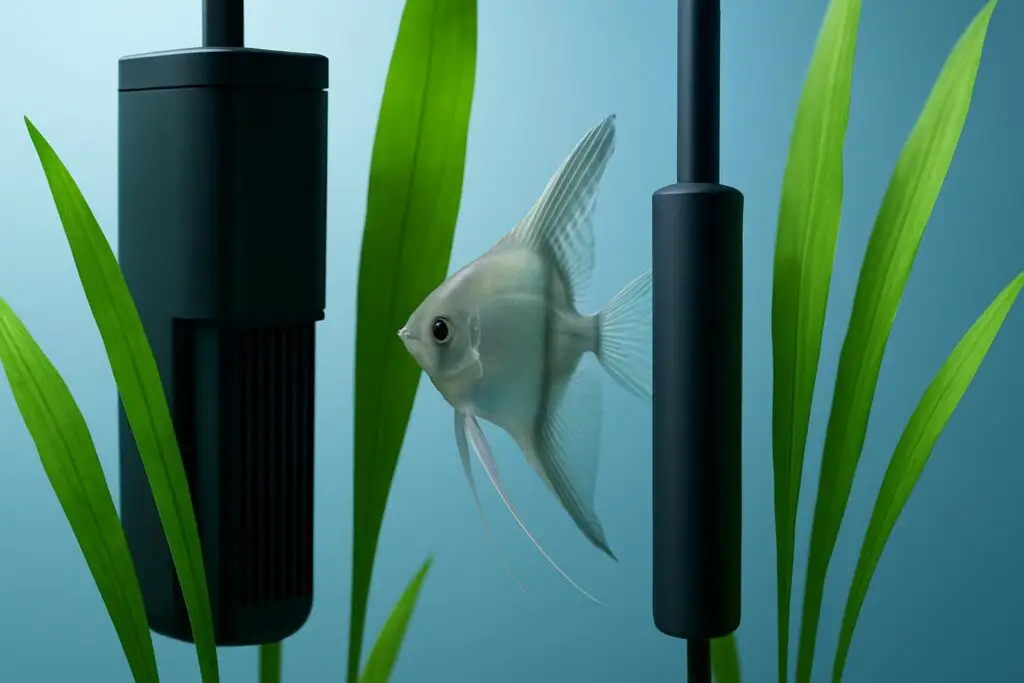
Seeing an angelfish hide behind a filter, heater, or plant can be worrying. The good news is that most causes are fixable with simple checks and steady care. This guide shows you why angelfish hide, how to diagnose the problem step by step, and what changes build a calm, confident fish. Keep reading to turn hiding into healthy cruising across the tank.
Introduction
Angelfish are cichlids with distinct personalities. They prefer calm water, steady conditions, and clear territory. When those needs are not met, they often hide. Hiding is not a behavior to ignore. It signals stress, fear, or a health issue. With a clear plan, you can find the cause and correct it without guessing.
What Counts As Hiding
Hiding is when an angelfish spends long periods pressed into corners, stuck under the filter intake, wedged behind the heater, or staying motionless under leaves or wood even during feeding times. Short pauses under cover are normal. Resting near plants at night is normal. Consistent avoidance of open water is not normal and needs attention.
Quick Triage When To Act Now
Act right away if you see rapid breathing, clamped fins, lying on the bottom, floating near the surface, loss of balance, or visible spots or lesions. Test water immediately, increase surface agitation for oxygen, and consider moving the fish to a hospital setup if other fish are harassing it. Emergency steps come before long investigations.
Main Reasons Angelfish Hide
New Fish And Relocation Stress
New angelfish often hide for a few days while adjusting to new water, sights, and sounds. Transport and netting raise stress hormones. Lights that are too bright on day one make it worse. Expect a settling period if the fish is new to the tank.
Water Quality Problems
Angelfish are sensitive to ammonia and nitrite. Even low levels burn gills and push fish into corners where flow is lower. High nitrate, large pH swings, and unstable temperature also cause hiding. Stability matters as much as the exact numbers.
Target ranges for freshwater angelfish
Ammonia 0 ppm
Nitrite 0 ppm
Nitrate under 20 to 40 ppm
pH 6.5 to 7.5, steady
Temperature 25 to 28 C or 77 to 82 F, steady
KH 3 to 8 dKH and GH 3 to 12 dGH are fine for most tank bred angelfish
Tank Size And Layout
Small tanks and poor layouts trap angelfish in tight spaces. They are tall fish and need vertical room and clear sightlines. A single adult does best in a tall 20 gallon at minimum. A mated pair needs 30 gallons or more. A community with multiple angelfish and other species needs 55 gallons or more. Without cover, angelfish feel exposed and hide in equipment shadows.
Lighting And Photoperiod
Harsh light with no shade pushes fish under hardware and wood. Lights on for very long hours cause stress. Angelfish prefer dappled light and plants for shelter.
Strong Flow Or Noise
Angelfish come from slow waters. A strong powerhead or filter outlet can feel like a storm. They hide to avoid the blast. Loud vibration from pumps also keeps fish on edge.
Aggressive Tankmates Or Social Stress
Fin nippers, fast chasers, or dominant cichlids drive angelfish into corners. Even among angelfish, a pair can bully others, or two individuals can fight over territory. Without visual barriers, the loser has nowhere to retreat, so it hides all day.
Breeding And Parental Guarding
A bonded pair can hide while guarding eggs or wrigglers behind a filter pipe or broad leaf. They reduce movement to keep watch. This looks like hiding but is normal breeding behavior.
Illness Or Parasites
Hiding alongside clamped fins, heavy breathing, white spots, torn fins, red streaks, or refusal to eat points to disease. Poor water quality often comes first and opens the door to infection.
Feeding Problems
Inconsistent feeding, food that sinks too fast, or aggressive feeders can cause an angelfish to retreat during meals. Hungry fish that miss food get weaker and hide more.
Night Cycle And Sudden Changes
Fish rest more after lights out. Sudden changes in room activity, slamming doors, or flashing lights can startle fish into hiding for hours. Regular daily rhythms support calm behavior.
Diagnosis Checklist Step By Step
Step 1 Test Water Today
Use a reliable test kit for ammonia, nitrite, nitrate, and pH. Check temperature with a thermometer. If ammonia or nitrite is above zero, plan immediate water changes. If temperature is swinging more than 1 to 2 C or 2 to 3 F per day, fix the cause.
Step 2 Watch Interactions
Observe for 10 to 15 minutes with room lights on and tank lights off, then with tank lights on. Look for chasing, nipping, or blocking from food. Identify bullies and victims.
Step 3 Review Hardware
Check filter output and pump vibration. If the angelfish hangs behind a blast of flow, reduce it. If equipment rattles, pad it or service it. Confirm the heater is working and not shocking fish with sudden on off bursts.
Step 4 Inspect The Layout
Count real hiding spots. Tall plants, driftwood, and rock that break lines of sight reduce stress. If the only shelter is behind equipment, the scape needs work.
Step 5 Assess Feeding
Note if food reaches the angelfish without heavy competition. Check if it eats within 3 minutes. If it ignores food, look back to water quality and health signs.
Fixes That Work
Stabilize Water Parameters
Do a 30 to 50 percent water change if ammonia or nitrite are present, or if nitrate is high. Match temperature and dechlorinate new water. Vacuum debris from the substrate. Clean filter media in a bucket of tank water to protect bacteria. Do not replace all media at once.
Keep a consistent schedule. Test weekly until your tank is stable. Aim for small regular changes instead of rare large changes. Stability reduces hiding faster than any single gadget.
Adjust Temperature And pH Gradually
Hold temperature steady at 25 to 28 C or 77 to 82 F. Use a quality heater and a thermometer you can read easily. Keep pH stable in the 6.5 to 7.5 range. If you need to adjust pH or hardness, make slow changes over days, not hours.
Reduce Flow And Noise
Point filter outlets toward glass, use a spray bar, or add a baffle to spread flow. Sponge filters are gentle and add oxygen without harsh currents. Isolate vibrating equipment with rubber pads and make sure impellers are clean.
Improve The Layout For Security
Give angelfish a tall, structured scape. Combine vertical plants or plant substitutes with driftwood and rock to create shaded arches and breaks in sightlines. Provide at least two to three true retreats where the fish can hide without being trapped. A dark background or frosted film reduces reflections and lowers stress.
Balance Stocking And Tankmates
Use a properly sized tank. One adult in a tall 20 gallon minimum. A pair in 30 gallons or more. Groups and mixed communities in 55 gallons or more. Avoid known fin nippers and aggressive cichlids. Choose calm companions that do not outcompete angelfish. Remember that adult angelfish may eat very small fish. Plan tankmates with adult size in mind.
Manage Social Stress Among Angelfish
If one fish is bullied, rearrange decor to reset territories. Add more vertical cover so the weaker fish can break line of sight. In severe cases, separate the aggressor or the victim. Do not let persistent aggression continue. Chronic stress leads to illness.
Control Lighting And Photoperiod
Run lights for 8 to 10 hours per day. Add floating plants or tall stems to create shade. If your light is intense, dim it or raise it. Use a timer so the day length is consistent. Switch room lights on for a few minutes before tank lights to prevent startle.
Set A Feeding Routine
Feed two small meals per day, only what the fish eats in about 3 minutes. Use quality pellets sized for angelfish and add variety with thawed frozen foods such as brine shrimp or bloodworms. Drop food where the angelfish can access it without being crowded by faster tankmates. Remove leftovers to protect water quality.
Support New Fish During Acclimation
For new arrivals, keep lights low for the first 24 to 48 hours. Provide extra cover. Keep water parameters stable and do not overfeed. Expect some hiding. As the fish learns your routine and sees there is no threat, it should venture out.
Breeding Behavior Considerations
If a pair is guarding eggs or fry, their movement will be reduced and may look like hiding. Leave them undisturbed, keep water clean and stable, and provide a barrier if other fish try to reach the spawn site.
Illness Response And Isolation
If you see clamped fins, rapid breathing, visible spots, frayed fins, or refusal to eat, isolate the fish in a hospital setup with a heater and gentle filtration. Maintain top water quality and steady temperature. Treat based on clear symptoms and product directions if you choose to medicate. Quarantine new fish for 2 to 4 weeks before adding them to the main tank to prevent disease spread.
Reduce External Stress
Place the tank in a calm area away from slamming doors, speakers, and high traffic. Do not tap on the glass. Keep maintenance gentle and regular instead of infrequent and disruptive.
What Improvement Looks Like
A confident angelfish cruises midwater, explores plants, and comes to the front at feeding time. After you correct the main cause, you should see better posture, calmer breathing, and more open water swimming within 3 to 7 days. Severe aggression or illness cases can take longer. Keep notes so you can see progress.
Common Mistakes To Avoid
Changing Too Many Things At Once
Large swings in pH, temperature, or decor can add stress. Make one or two key changes, observe, and continue stepwise.
Overcleaning The Filter
Washing media under tap water kills helpful bacteria. Rinse gently in tank water to keep the cycle stable.
Ignoring Flow Direction
Even with a suitable filter, a badly aimed outlet can pin an angelfish to a corner. Adjust direction to create calm zones.
Skipping Tests And Guessing
Water can look clear and still be unsafe. Test before and after changes. Keep a simple log of results and actions.
Feeding Only One Food
Monotonous diets reduce appetite and health. Use a varied menu and steady schedule.
A Simple Weekly Routine
Test ammonia, nitrite, nitrate, and pH. Note temperature daily.
Change 25 to 35 percent of water once a week. Vacuum light debris.
Wipe algae on glass and check equipment for noise or clogging.
Trim plants to keep open swim space with shaded areas.
Watch fish during feeding and after lights on for early signs of stress.
When To Seek Extra Help
If water is stable, flow is low, lighting is controlled, stocking is appropriate, and the fish still hides for more than two weeks, consult an experienced aquarist or aquatic veterinarian. Bring test results, photos of the tank, and a clear description of the timeline. Precise information speeds solutions.
Conclusion
Hiding is your angelfish telling you something is off. Most cases trace back to water quality, flow, lighting, layout, or social stress. Test first, keep changes steady, and build an environment that matches the species. With stable parameters, gentle currents, real cover, calm tankmates, and a clear routine, your angelfish will leave the corner and claim the open water again.
FAQ
Q Can a new angelfish hide for several days
A Yes. New angelfish often hide for a few days while adjusting. Keep lights low, maintain stable water, and feed lightly until it settles.
Q What water parameters keep angelfish confident
A Aim for ammonia 0 ppm, nitrite 0 ppm, nitrate under 20 to 40 ppm, pH 6.5 to 7.5, and temperature 25 to 28 C or 77 to 82 F with minimal daily swings.
Q How do I know if hiding means illness
A Look for clamped fins, rapid breathing, visible spots or frayed fins, and refusal to eat. Test water, improve oxygen, and isolate the fish if needed.
Q My angelfish hides behind the filter. What should I change first
A Test water, reduce flow by aiming the outlet or using a spray bar, add tall plants and wood for shaded cover, and review tankmates for aggression.
Q How long until an angelfish stops hiding after I make changes
A Many fish improve within 3 to 7 days once the main cause is fixed. Severe aggression or illness can take longer.