
We are reader supported. When you purchase through links on our site, we may earn an affiliate commission. Also, as an Amazon affiliate, we earn from qualifying purchases.
Marine fish often guard space with intensity that surprises new keepers. One day a tank is calm. The next day a single fish rules a rock and chases everything that swims near it. This is not random. It follows clear rules shaped by the ocean. Learn the rules and you gain control. Ignore them and you invite stress, injury, and lost fish.
Introduction
This guide explains why marine fish are territorial and how that behavior plays out in home aquariums. You will see what a territory does for a fish, what triggers conflict, and how to set up your tank to prevent damage. With this knowledge you can plan stock lists, aquascapes, and routines that keep peace without suppressing normal behavior. The goal is not to erase territory. The goal is to channel it.
Why Marine Fish Are Territorial
Life on a Reef Is Crowded
Coral reefs pack thousands of animals into tight, complex space. Food comes in pulses with the current. Shelter is limited to holes and ledges. Predators hunt from every angle. In this setting, holding a small piece of prime real estate can make the difference between steady meals and hunger, between safety and exposure.
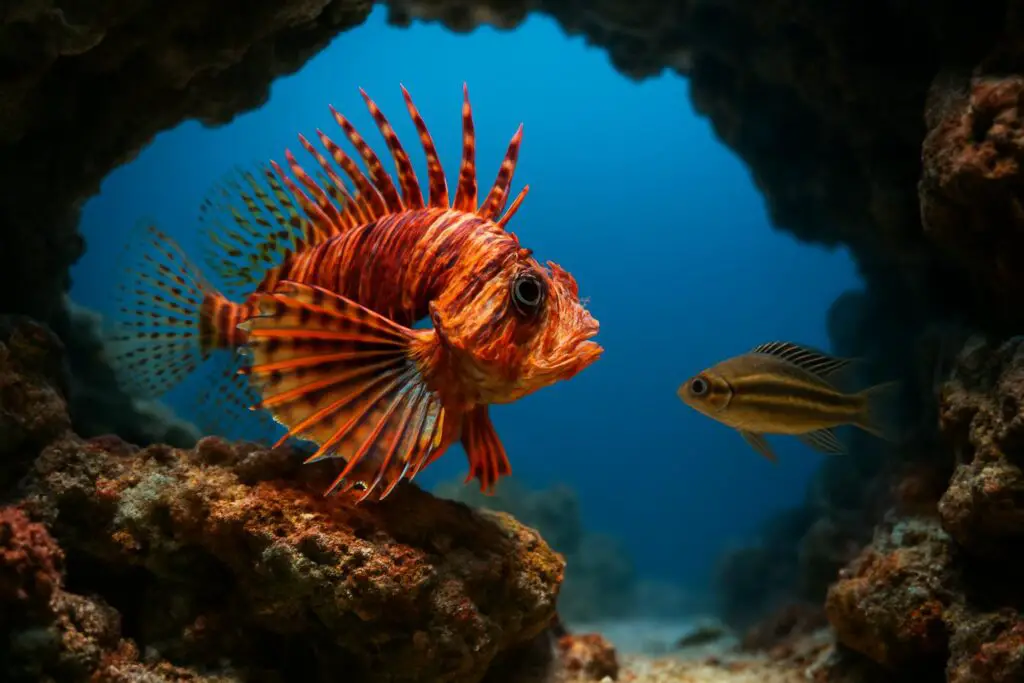
Marine fish are territorial because reef life is crowded and patchy. A territory gives steady access to food, shelter from predators, and a chance to breed.
What a Territory Gives a Fish
A territory is a private zone a fish defends from rivals. Inside that zone it can graze or hunt without constant competition. It can retreat into the best cave when startled. It can court mates and spawn with less interruption. For many species, that stability raises survival and reproduction. That is why defense is worth the energy cost.
Not every species needs a territory at all times. Some defend space only when breeding. Others hold small feeding patches but roam widely at dawn and dusk. The rule is simple. When controlling a spot brings clear benefits, defense appears.
Territory Is Not Always the Same as Home Range
A territory is space a fish defends. A home range is a larger area it uses but does not defend.
Many reef fish patrol a core area where they show aggression. Beyond that, they may travel for foraging or exploration without chasing others. Knowing this difference helps you read behavior. A fish may circle the whole tank, but only one ledge triggers a charge.
The Costs of Holding a Territory
Defense takes time and energy. Constant patrol cuts into feeding. Chasing burns calories and raises stress. Injury risk rises with each clash. In the wild, if food is very abundant or shelter is everywhere, the cost of defense may not pay off. In a tank, strong flow of food and many hiding spots can shift the balance the same way. This is your leverage as a keeper.
How Territorial Behavior Looks
Signals Before Fights
Most fish broadcast warnings before a chase. Common signals include flaring fins, darkening or brightening patches, body tilts, lateral displays, and slow pushing swims toward the intruder. These cues test the other fish. Backing off ends the cycle without damage. When both hold ground, the next step is movement.
Learn the signals of your species. A tang may flash scalpels and flex its body. A clownfish may tremble and nip. A dottyback may hover and stare from a cave mouth. These are clear signs of a boundary line.
Chasing and Contact Aggression
After warnings, a defender may lunge. Short chases that end quickly are common and often safe. The goal is to push the rival beyond a line of rock or a sand patch. Contact aggression is riskier. Techniques include nipping fins, biting the flank, head butts, tail slaps, and ramming. Some species aim for soft tissue near the gills or eyes. Do not let this phase continue unchecked.
Watch the pattern. If the intruder can circle around and resume feeding, this is normal. If it dives behind a pump, hides all day, and misses meals, the territory is too tight or the pairing is poor.
Daily and Seasonal Patterns
Territorial intensity often peaks at dawn and dusk when fish feed and claim resting spots. It may drop at mid day. During breeding cycles, males of many species expand patrols and turn up color and energy. In tanks, lighting, flow, and feeding schedules can shift these peaks. Adding a fish often produces a spike for a few days as boundaries reset.
Males, Females, and Social Rank
Sex and rank affect defense. In some harems, a dominant female or male defends the core nest area while subordinates hold small rims. In clownfish pairs, the larger dominant female defends the anemone or host while the male supports nearby. In anthias and many wrasses, the top male patrols a group of females. Social rank can change after a removal or death. Expect a brief power reshuffle with new chases.
Factors That Change Territory Size and Intensity
Food Density and Space
When food is scarce or clumped, a fish gains more by defending a patch. When food is everywhere, defense loses value. In a tank, frequent small feedings and distributed feeding points cut the payoff for guarding a corner. Space also matters. Small tanks squeeze fish into overlap. Larger tanks let each fish hold a core without crowding.
Rockwork, Caves, and Sight Lines
Rock shapes territory. Caves and arches create natural borders. Solid walls form sight blocks that calm fish. Long open lines let a dominant fish watch everything and react faster. Break lines of sight to reduce trigger points. Provide more holes than you have fish. When two fish can retreat to different holes, both win.
Species Identity and Body Shape Similarity
Many fish target rivals that look and feed like them. Tangs often clash with tangs of similar body shape. Dottybacks spar with other cave dwellers with the same niche. Angels dispute with angels that graze the same surfaces. Dissimilar shapes and diets reduce direct competition and reduce defense intensity.
Individual History and Time Since Introduction
The first fish to settle often wins disputes with later arrivals. A resident knows the layout and holds the best cave. After adding new fish, expect a few days of boundary testing. Aggression usually drops if the match is sound and the aquascape supports multiple routes and holes. If it does not drop, you need to act.
Lighting, Flow, and Visibility
Bright light and clear lines make rivals easier to spot from a distance. High flow can push fish into narrow lanes that cross at the same point. Adjusting intensity and direction can change contact rates. Dimmer evening light often makes introductions safer because fish slow patrols and settle faster.
Territorial Species to Watch in Marine Aquariums
Damselfish and Clownfish
Damselfish are classic territory holders. Even small species can claim a rock and bully fish several times their size. They defend algae patches and nest sites with relentless chases. Keep them in larger tanks with strong rockwork or accept that they may be the last fish added.
Clownfish defend a host, often an anemone or coral stand in tanks. A bonded pair will push away intruders near the host. The female is usually larger and more assertive. Give them a defined host spot on one side of the tank to localize defense.
Dottybacks and Hawkfish
Dottybacks are fast, cave based predators. They defend holes and ledges and can ambush timid fish that pass nearby. They do best with firm rock boundaries and confident tankmates. Mixing multiple dottybacks in small tanks is risky.
Hawkfish perch and watch. They defend perches and will strike at smaller newcomers that move past their station. Provide several high perches to spread them out. Avoid pairing with very small shrimp or tiny gobies that trigger predatory grabs.
Wrasses With Attitude
Some wrasses are mild, but species like the sixline wrasse can dominate a rock maze. They weave through caves and chase rivals across the whole scape. Add them later in the stock order. Provide heavy rock with many branches so others can evade.
Tangs and Angels
Tangs are active grazers with strong territorial drives toward similar tangs. Size and body shape both matter. A lone tang may police the entire tank if space is small. Multiple tangs need large systems and careful matching. Introduce at the same time when possible.
Dwarf angels defend feeding routes on rock and coral. They may clash with other dwarf angels or fish that pick the same film. Heavy rockwork and constant grazing opportunities reduce pressure.
Damselfish, clownfish, dottybacks, hawkfish, sixline wrasses, and many tangs are common examples.
Practical Strategies for Your Tank
Plan the Right Tank and Stock List
Match fish to tank size. Active grazers and fast swimmers need length. Cave dwellers need heavy rock. Avoid stacking many species that eat and hide the same way. Pick one boss species per niche. Decide early which fish must go in first and which must wait.
Research adult size, not just juvenile look. A fish that is cute at three centimeters can become a defender at ten. Your plan should target the adult tank, not the current stage.
Build an Aggression Smart Aquascape
Create two or three rock islands rather than one wall. Leave gaps to break sight lines. Carve many caves of different sizes. Provide both low and high perches. Allow fish to pass behind rock and around it so they can avoid frontal encounters.
Mark a host area for clowns on one side of the tank. Set a high perch for a hawkfish on the other side. Use arches and bommies to form borders that feel natural. A good scape is the first line of defense against conflict.
Add Fish in the Right Order
Start with peaceful and timid species. Add semi aggressive fish next. Add the most assertive fish last. Introduce fish that occupy different zones together to dilute focus. Avoid adding a single small timid fish into an established tank full of bold residents.
Add fish in the right order, use an acclimation box, add at dusk, and rearrange some rock to reset boundaries.
Use Social Acclimation Tools
An acclimation box lets residents see and smell the newcomer without contact. This reduces the novelty and gives the new fish time to learn routes. Release when chases at the wall drop and feeding is calm.
Temporarily rearranging a small part of the rock near the problem spot can reset mental maps. In tough cases, remove the bully for a few days to a separate container, then reintroduce after the newcomer settles. This flips the resident advantage.
Feed to Reduce Conflict
Territory pays when food is rare. Break that link. Feed small amounts more often during the first week after an addition. Target feed timid fish so they do not have to cross a defended line. Place nori or grazing clips at more than one point. Spread pellets or frozen food across the full length of the tank.
Stable nutrition calms energy and helps fins heal after small nips. Overfeeding is not the goal. Consistency and distribution are the keys.
Manage Bullies Without Tearing Down the Tank
First, watch and measure. If chases are short and meals are normal, wait and let the hierarchy set. If not, act early. Use a social acclimation box to remove direct contact while keeping the fish in view. Try a mirror on one end as a short distraction tool so the bully burns energy elsewhere. Rearrange a few rocks to create new routes and hideouts.
If injury risk is high, trap and remove the aggressor or the victim. A few days in time out can break a loop. When you reintroduce, do it at dusk when patrols drop.
Reading Behavior: When to Worry
Normal Pecking vs Harmful Aggression
Short displays, quick sprints, and a return to feeding are normal. Fin nips that heal in a day or two are common during introductions. Harmful aggression is different. It is repetitive, blocks access to food, and isolates the target. It often comes with pinned corners and frantic breathing in the victim.
Stress Signs in the Victim
Look for clamped fins, rapid gill movement, color loss, torn fins, ragged scales, and refusal to leave shelter at feeding time. Track body mass across days. Sunken belly and spine show chronic stress. Mucus coat damage raises infection risk.
Intervene if the target fish hides all day, skips meals, shows torn fins that do not heal, or gets pinned in a corner for more than a few minutes at a time.
Water Quality and Disease Risk
Fighting and stress release hormones that change behavior and immune response. At the same time, extra feeding to calm conflict can raise ammonia, nitrite, and nitrate. Poor water quality magnifies stress and opens the door to disease. Keep up with testing. Increase export during heavy introduction weeks. Clean mechanical filters more often.
Special Notes on Breeding Territories
Nesting and Guarding
Many damselfish and clownfish dig or clean nest areas and defend a tight ring around them. During this time, chases intensify and the defended zone shrinks to a hard core. Respect this phase. Provide a clear path around the nest so other fish can bypass without a direct approach.
Temporary Swings in Aggression
Spawning cycles can spike aggression for days and then drop. Do not assume a permanent problem if timing explains a burst. If both fish feed and recover between bouts, support with calm feeding and let the cycle run. If damage appears, step in with tools described above.
Putting It All Together
Checklist for Calm Introductions
Confirm the tank size and scape fit the new fish. Check niche overlap with residents. Plan stock order. Prepare an acclimation box. Feed several small meals on day one. Dim lights and add at dusk. Watch for an hour. Adjust flow or rock if a single choke point creates all the conflict. Keep notes for future changes.
When a plan is clear and simple, most introductions work. When a plan is vague, luck runs the show.
Conclusion
Territorial behavior in marine fish is not a problem to erase. It is a natural strategy that supports feeding, safety, and breeding in a crowded world. In the aquarium, you can respect that strategy and still protect your livestock. Use space, rockwork, order of introduction, and feeding patterns to steer behavior. Learn the signals that separate normal sparring from harmful aggression. Act early when patterns cross the line. With these steps, your tank can display confident, natural behavior without chronic conflict.
FAQ
Q: Why are marine fish territorial?
A: Marine fish are territorial because reef life is crowded and patchy. A territory gives steady access to food, shelter from predators, and a chance to breed.
Q: What is the difference between a territory and a home range?
A: A territory is space a fish defends. A home range is a larger area it uses but does not defend.
Q: How can I reduce aggression when adding a new marine fish?
A: Add fish in the right order, use an acclimation box, add at dusk, and rearrange some rock to reset boundaries.
Q: Which marine fish are most territorial in home aquariums?
A: Damselfish, clownfish, dottybacks, hawkfish, sixline wrasses, and many tangs are common examples.
Q: When should I intervene in a territorial dispute?
A: Intervene if the target fish hides all day, skips meals, shows torn fins that do not heal, or gets pinned in a corner for more than a few minutes at a time.