
We are reader supported. When you purchase through links on our site, we may earn an affiliate commission. Also, as an Amazon affiliate, we earn from qualifying purchases.
Starting a nano tank is a smart way to enjoy fishkeeping without needing a large space or a big budget. Small aquariums can be stable, beautiful, and easy to maintain when set up correctly. This guide walks you through every step in clear order, from choosing equipment to picking fish that thrive in compact setups. You will learn how to avoid common mistakes, how to cycle the tank, and which species suit small spaces. Keep reading and build your first nano tank with confidence.
What A Nano Tank Is And Why It Works
A nano tank is a small aquarium, typically 5 to 20 gallons. It fits on a desk, counter, or shelf, and it costs less to run than a large setup. It can hold tiny fish, shrimp, and plants that look great in a well-designed layout. Smaller tanks do require consistency because water quality changes faster in low volume. With the right stocking, a strong maintenance routine, and proper equipment, nano tanks are stable and rewarding.
Many popular fish stay under 1 inch, show bright color, and have calm behavior that suits compact tanks. If you match species to your water source and plan the system step by step, your tank will look clean and stay healthy.
Choose The Right Size First
Go as big as you can within your space. A 10 to 20 gallon tank is easier to keep stable than a 3 to 5 gallon tank because temperature and chemistry change more slowly. If you only have space for 5 gallons, choose a single centerpiece fish or a tiny schooling species and keep your routine strict. If you can fit 10 to 20 gallons, you gain more stocking options and a margin of error.
Core Equipment For A Nano Tank
Tank And Lid
Pick a glass or acrylic tank with as much surface area as possible. A lid is not optional. Many nano fish jump when startled. A tight lid also slows evaporation and keeps temperature stable.
Filter
Use a gentle filter to protect small fish and shrimp. A sponge filter driven by an air pump is quiet, cheap, and provides excellent biological filtration. If you use a hang on back filter, baffle the output and cover the intake with a prefilter sponge to reduce flow and prevent fry or shrimp from being sucked in.
Heater And Thermometer
Most nano fish need stable temperatures between 72 and 80 Fahrenheit. Use a reliable adjustable heater rated for your tank size and a simple glass or digital thermometer to verify. Stability matters more than chasing a specific number.
Light
Choose an LED light suited for low to medium plants. Avoid overly strong lights that fuel algae. Aim for 6 to 8 hours per day at the start, then adjust based on plant growth and algae control.
Substrate And Hardscape
Use fine gravel or sand for small fish and shrimp. Dark substrate helps timid species display better color. Add hardscape such as wood and rocks to create cover and break line of sight. This reduces stress and aggression.
Water Conditioner And Test Kits
Use a dechlorinator to neutralize chlorine and chloramine in tap water. Keep liquid test kits for ammonia, nitrite, nitrate, and pH. Testing removes guesswork and helps you react before problems escalate.
Cycle The Tank Before Adding Fish
The nitrogen cycle is the foundation of a healthy aquarium. Bacteria convert toxic ammonia from fish waste into nitrite, and then into nitrate, which is less harmful. A cycled tank has zero ammonia, zero nitrite, and some nitrate that you control with water changes and plants.
Simple Fishless Cycle Steps
Set up the tank with filter, heater, and dechlorinated water. Add bottled bacteria according to label directions or use media from an established tank if available. Dose a small amount of pure ammonia or fish food to feed the bacteria. Test daily or every other day. When the tank can process a small ammonia dose to zero ammonia and zero nitrite within 24 hours, the cycle is ready. Perform a large water change to reduce nitrate before adding livestock. Keep the filter running throughout. Do not rinse filter media in tap water; use tank water instead to protect bacteria.
Know Your Water And Match Your Fish
Tap water parameters vary by city. Test pH, GH, and KH if possible. Hard, alkaline water suits livebearers and many shrimp. Soft, slightly acidic water suits many tetras and rasboras. It is easier to choose fish that match your tap than to alter water chemistry. Stability beats perfection. If you must adjust, do so carefully and consistently, and avoid sudden swings.
Stocking Rules That Keep Nano Tanks Healthy
Stock lightly and be patient. Add livestock in stages. Avoid mixing species with conflicting needs. Skip fin nippers with long-finned fish. Do not rely on the inch per gallon rule; it is too simplistic. Consider adult size, activity level, school size, and bioload. Plan your cleanup crew, but do not expect any animal to fix overfeeding or poor maintenance.
Best Fish For Small Spaces
Below are fish that stay small, look great, and behave well in nano setups. Always confirm adult size, temperament, and parameters with a trusted source. Buy healthy stock from reputable stores or breeders.
Betta splendens
Best as a single centerpiece fish in 5 to 10 gallons. Gentle flow, warm water around 78 to 80, and lots of cover. Avoid tank mates that nip fins or resemble a betta. Some keepers add a few peaceful snails or shrimp, but bettas may eat shrimp. Personality varies.
Ember Tetra
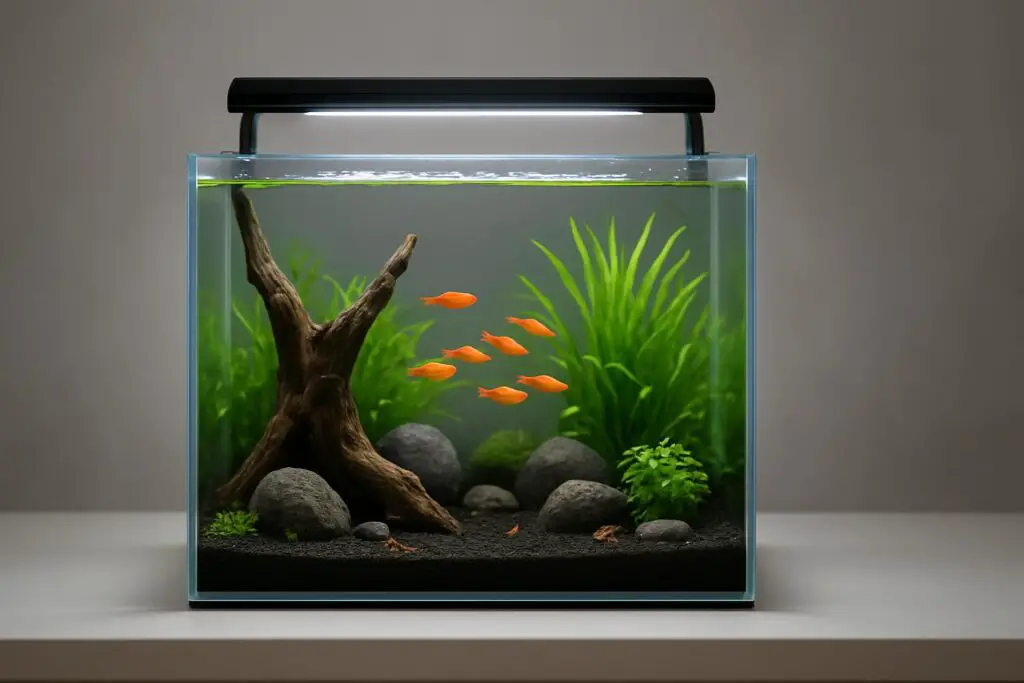
Tiny orange schooling fish that glow in planted tanks. Keep a group of at least 8 to 12 in 10 gallons or more. Soft to neutral water, calm flow, and dark substrate help them settle and color up. Peaceful with shrimp and snails.
Chili Rasbora
Very small, bright red schooling fish. Keep 10 or more in a mature, gentle tank of 5 to 10 gallons. They do best with plants and micro foods. Sensitive to poor water quality, so cycle thoroughly and maintain stable parameters.
Celestial Pearl Danio
Also called galaxy rasbora. Spotted, colorful, and shy. A group of 8 or more in 10 gallons works well. Provide dense plants, rock piles, and low to moderate flow. They feed on small foods and display better with a dark background.
Green Neon Tetra
Smaller than standard neon tetra with intense blue-green stripe. Keep 8 to 12 in a 10 gallon or larger. Soft to neutral water, stable temperature, and cover reduce stress. Avoid mixing with larger, boisterous tank mates.
Pygmy Corydoras
Corydoras pygmaeus, hastatus, and habrosus are true nano catfish. Keep 8 to 12 in 10 gallons or more. Use fine sand to protect barbels. Provide gentle flow, leaf litter or botanicals if you like, and feed small sinking foods. They shoal midwater at times and are very peaceful.
Otocinclus
Small algae grazers that do best in mature tanks with biofilm and soft algae. Keep 4 to 6 in 10 gallons or more. Supplement with blanched vegetables and algae wafers. They are sensitive to unstable tanks; add only after the system is seasoned.
Endler Livebearer
Colorful, hardy, and active. Great in hard, alkaline water. A group of 6 to 8 in 10 gallons is ideal. They breed readily, so plan a way to rehome offspring or keep only males. Avoid fin-nipping tank mates to keep tails intact.
Sparkling Gourami
Tiny labyrinth fish that displays shimmer and gentle behavior. Keep a trio or small group in a 10 gallon with plants and cover near the surface. Gentle flow and warm temperatures suit them. Do not mix with aggressive fish.
Clown Killifish
Surface-dwelling micro predator with striking tail pattern. Best in covered tanks, as they jump. Keep a small group in 5 to 10 gallons with floating plants. Feed small live or frozen foods along with quality micro pellets.
Normans Lampeye Killifish
Small schooling fish with bright eye shine. Keep 8 or more in 10 gallons. Add floating plants and a lid. Peaceful and compatible with shrimp in planted setups.
Pea Puffer
Tiny puffer with a big personality. Best in a species-only 5 to 10 gallon tank due to fin nipping. Provide dense plants, snails for beak wear, and varied foods such as frozen bloodworms and brine shrimp. Keep water clean and monitor aggression.
Scarlet Badis
Small, colorful, and territorial micro predator. Keep a pair or a trio in a well-planted 10 gallon. They prefer live or frozen foods and may ignore dry foods. Avoid fast or aggressive tank mates.
Invertebrates That Shine In Nano Tanks
Neocaridina Shrimp
Hardy dwarf shrimp available in many colors. Best in mature, planted tanks with sponge filtration. They breed readily. Keep with very peaceful fish or in a shrimp-only tank. Provide hiding places and gentle flow. Avoid copper-based medications.
Caridina Shrimp
Crystal and bee shrimp prefer soft, acidic water and stable parameters. They are sensitive and better for intermediate keepers. Use active substrate and remineralized RO water if your tap is unsuitable.
Nerite Snails
Excellent algae grazers that do not reproduce in freshwater. Provide a tight lid because they may climb. Offer blanched vegetables if algae is scarce. Avoid copper and ensure calcium is available for shell health.
Thai Micro Crab
Tiny, peaceful filter feeder that appreciates dense plants and gentle flow. Best in calm community or shrimp tanks. Feed powdered foods and micro plankton.
Plants That Make Nano Tanks Stable And Beautiful
Live plants consume nitrate, compete with algae, and create shelter. Choose easy options that thrive in low to medium light. Java fern, Anubias, and Bucephalandra attach to wood and rock. Cryptocoryne grows well in fine gravel or sand. Dwarf sagittaria and Helanthium tenellum provide simple carpets. Floating plants like Salvinia or frogbit help shade and absorb excess nutrients. Start with a modest photoperiod of 6 to 8 hours. Increase light only if plants demand it, not by default.
Proven Stocking Plans By Tank Size
5 Gallons
Option one is a single betta with plants, a sponge filter, and a lid. Option two is a shoal of 10 chili rasboras with shrimp and plants in a mature tank. Option three is a species-only pea puffer with dense cover and a steady snail supply. Keep bioload light and maintenance steady.
10 Gallons
Option one is 12 ember tetras with 8 pygmy corydoras and a few nerite snails. Option two is a shoal of 10 celestial pearl danios with shrimp and lots of plants. Option three is a trio of sparkling gourami with a small group of clown killifish and floating plants. Add livestock slowly and watch interactions.
15 To 20 Gallons
Option one is 15 green neon tetras with 10 pygmy corydoras and 6 otocinclus in a mature, planted tank. Option two is a colony of neocaridina shrimp with 12 endlers and 2 to 3 nerite snails. Option three is mixed micro rasboras with a small group of normans lampeye and a strong plant layout. Keep flow gentle and provide retreat zones.
Feeding For Health And Color
Feed small portions that fish can finish in under two minutes. Offer a variety of high quality micro pellets, crushed flakes, baby brine shrimp, daphnia, and microworms. Bottom dwellers need sinking foods. Shrimp appreciate algae wafers and blanched vegetables. Rotate foods to cover nutrition and keep fish engaged. Skip a feeding once per week to reduce waste if fish are healthy.
Maintenance That Keeps Things Easy
Test weekly, especially in the first month. Perform 30 to 50 percent water changes every 1 to 2 weeks depending on bioload and nitrate levels. Vacuum lightly to remove debris without disturbing plant roots. Rinse filter sponges in removed tank water, not tap water. Top off evaporated water with dechlorinated water and match temperature. Wipe glass as needed. Trim plants to maintain flow and light to all areas. Consistency beats perfection.
Step By Step Setup Workflow
Pick a tank size and suitable stand or surface. Rinse hardscape and substrate. Place substrate and hardscape to create lines of sight, cover, and open swimming space. Install filter, heater, and thermometer. Add dechlorinated water slowly to avoid disturbing the layout. Start the filter and heater, then set the thermostat. Plant easy species and ensure roots are covered or rhizomes are not buried. Begin the fishless cycle with bottled bacteria and an ammonia source. Run lights on a short schedule during the cycle to avoid algae. Test and wait for stable zero ammonia and zero nitrite. Perform a large water change to reduce nitrate. Add initial livestock gradually, starting with the hardiest species. Feed lightly and observe daily.
Acclimation And Quarantine
Temperature-match the bag by floating it in the tank for 15 to 20 minutes. Drip acclimate sensitive species by slowly adding tank water over 30 to 60 minutes. Net fish gently and avoid adding store water to your tank. Quarantine new fish in a simple separate tank for 2 to 4 weeks if possible. This prevents disease from entering your display. Keep quarantine simple with a sponge filter, heater, hiding places, and daily observation.
Common Mistakes And How To Avoid Them
Do not skip the cycle. Avoid overstocking and resist the urge to mix many species in a small volume. Choose a lid to prevent jumpers. Do not chase pH with frequent chemicals; stability is safer. Feed less rather than more. Clean filters gently and only when flow slows. Use water conditioner for every water change. Match livestock to your water rather than fighting it. Add fish slowly and observe behavior before adding more. Research each species size, diet, and temperament before buying.
Quick Fixes For Early Problems
Cloudy water in new tanks often comes from bacterial blooms. Keep feeding light, maintain filtration, and wait while bacteria stabilize. If algae appears, reduce light duration, feed less, increase water changes, and add fast-growing plants. For stressed fish, check temperature, ammonia, and nitrite immediately. Provide more cover and reduce flow if needed. If fish gasp at the surface, increase surface agitation and test for ammonia.
Ethical Sourcing And Long Term Planning
Buy from reputable stores or breeders that handle fish well. Avoid dyed or mutilated fish. Plan for breeding with livebearers and shrimp; have a rehoming strategy or stock only one sex to control numbers. Never release fish or plants into local waterways. Rehome responsibly if your plans change.
Budget Tips For A Smart Start
Spend on the basics that affect stability. A reliable heater, a gentle filter, a test kit, and a tight lid save fish and money. Plants reduce nitrate and algae, which saves time and effort. A simple timer for lights keeps algae in check. Start with hardy species and add specialty fish when your routine is solid.
Water Parameters At A Glance
Many nano fish do well at 74 to 78 Fahrenheit. pH between 6.5 and 7.5 is fine for mixed communities. Hardness depends on species; livebearers want harder water, many tetras prefer softer water. Nitrate should be kept under 20 to 30 ppm. Ammonia and nitrite should always be zero. Aim for stability and choose fish that suit your baseline.
Simple Weekly Routine You Can Keep
Test nitrate and observe fish daily for appetite and behavior. Remove uneaten food. Once per week or every two weeks, change 30 to 50 percent of the water, match temperature, and dose conditioner. Clean algae from glass and trim plants as needed. Squeeze the sponge filter in old tank water to restore flow. Log parameters and changes so you see trends early.
When To Add Each Species
After cycling, start with hardy fish or shrimp that are compatible with your plan. Wait a week, retest, and then add the next group. Add sensitive species like otocinclus or pea puffers only after the tank has matured for at least 4 to 8 weeks. Patience pays off in stability and color.
Feeding Tiny Mouths Without Overfeeding
Use small food particles that sink slowly. Crush flakes between fingers. Choose 0.5 to 1 millimeter pellets for micro fish. Target feed bottom fish with tweezers or a turkey baster to reduce waste. For shrimp, place tiny food portions on a feeding dish to monitor consumption and remove leftovers.
Design Tips That Reduce Stress
Break the tank into zones with plants and hardscape. Provide open space for schooling fish and dense cover for shy species. Use darker backgrounds to calm fish and improve colors. Keep the tank away from slamming doors, speakers, and direct sunlight. Quiet, stable environments help nano fish thrive.
Troubleshooting Checklist
If fish hide or show faded color, check ammonia, nitrite, and temperature. If fins are nipped, reassess compatibility and add cover. If algae blooms, cut light duration, feed less, and increase water changes. If plants melt, confirm they are true aquatic species, reduce light intensity, and give them time to adapt. Always verify equipment is working as intended.
Conclusion
A nano tank can be simple, stable, and beautiful when built on a clear plan. Choose the largest size you can fit, use gentle filtration and a lid, and cycle before stocking. Match fish to your water, add species slowly, and keep maintenance steady. Start with proven nano fish like ember tetras, chili rasboras, pygmy corydoras, celestial pearl danios, or a single betta. Add plants to boost stability and provide cover. With patience and simple routines, your first nano tank will thrive in a small space and stay enjoyable for years.