
We are reader supported. When you purchase through links on our site, we may earn an affiliate commission. Also, as an Amazon affiliate, we earn from qualifying purchases.
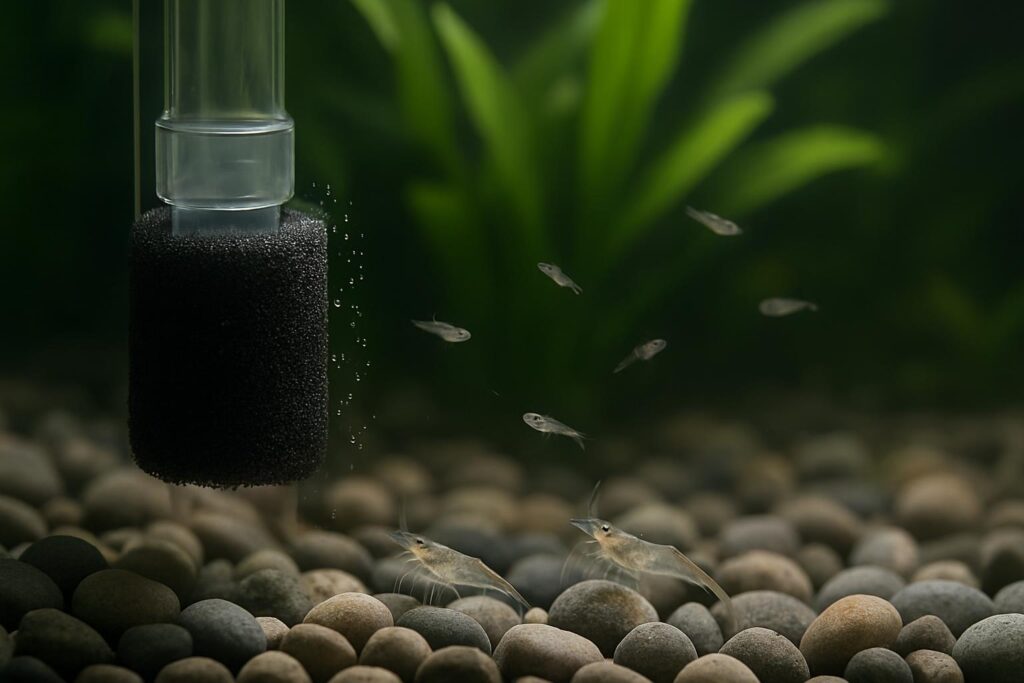
Shrimp and fish fry are constantly at risk from open filter intakes. A simple intake guard prevents losses, keeps livestock safe during feeding frenzies, and stabilizes your tank by spreading out mechanical and biological filtration. The key is choosing a guard that balances protection and flow, fits your intake securely, and cleans easily so your filter never starves for water. Below is a clear guide to what matters, followed by four proven intake guards that work for both shrimp and fry without throttling your system.
Quick Buying Guide
Pore size and protection
Guard pore size sets the level of safety. Fine-pore sponge and stainless steel mesh stop shrimp and most fry. Coarse-pore sponge is safer for flow but may let the tiniest newborns slip through. For Neocaridina and small livebearer fry, use fine foam or mesh. For larger juveniles or when your filter is borderline on flow, choose a medium to coarse sponge and increase prefilter surface area.
Flow and oxygen
All guards add resistance. Too fine or too small a guard can restrict water, reduce oxygen, and stress your filter motor. Pick a guard with enough surface area for your bioload. Clean it routinely to keep the filter moving water at its rated speed.
Fit and installation
Measure the outside diameter of your intake tube. Common sizes are 12 mm and 16 mm. A snug slip-on fit prevents gaps where shrimp can enter. Avoid zip-tie hacks unless the fit is truly secure and sealed.
Maintenance and cleaning routines
Prefilters trap debris first, so plan for frequent rinsing. Rinse sponges in tank water every 2 to 7 days depending on stocking and plants. Stainless guards need quick brushing during water changes. A clean guard keeps flow stable and improves oxygen for livestock and bacteria.
Material and durability
Foam adds biological surface area and is easy to squeeze clean, but it wears out over time. Stainless steel mesh is durable and keeps shape, but adds little biofiltration and needs regular brushing to prevent film buildup.
The 4 Best Aquarium Filter Intake Guards
1. Fluval Edge Pre-Filter Sponge
This classic prefilter sponge slips over most slim intake strainers and is a favorite for shrimp keepers. It balances fine pores for safety with enough surface area to keep water moving well on nano and mid-size tanks.
Why it helps: Fine foam blocks baby shrimp and fry while adding significant biofiltration. As the outer layer of mechanical filtration, it traps leaves and food before they enter your filter, keeping the impeller cleaner and extending service intervals.
Best for: Nano to mid-size tanks from 5 to 20 gallons, Neocaridina colonies, betta tanks with gentle hang-on-back filters, and anyone wanting a plug-and-play solution without cutting or adapters.
Potential downsides: Fine foam clogs faster in heavily fed tanks, so plan on more frequent rinsing. The sleeve fit is tight on some oversized inlets and may need a short soak before installation to soften the foam.
Tips to get the most: Squeeze-rinse in old tank water during each water change. If flow drops before maintenance day, add a second sponge in parallel using a T or split the bioload across two intakes when possible.
2. Eheim Prefilter 4004320
A durable, modular coarse-pore prefilter that excels at preserving strong flow while catching larger debris. It is a workhorse choice for canisters and high-turnover systems that still need shrimp and fry protection.
Why it helps: The dual-sponge, high-porosity design keeps intake resistance low, reducing the risk of cavitation or motor strain. It captures plant bits and detritus early and stabilizes canister performance between service intervals.
Best for: Planted tanks with canisters, aquascapes with lots of leaf drop, and setups where you want safety but cannot afford a big flow reduction.
Potential downsides: Coarse foam is not foolproof for the smallest newborns. Pair with a fine screen under the cap if you breed tiny species, or monitor closely during early fry stages.
Tips to get the most: Stagger-clean the two sponges. Rinse one this week, the other next week. That practice maintains biofiltration while keeping flow steady.
3. UPETTOOLS Stainless Steel Shrimp Filter Guard 12 mm
This stainless mesh guard slides onto 12 mm intakes and locks in place with a silicone or rubber collar. The rigid construction holds shape, prevents collapse, and offers very fine protection for newborn shrimp and fry.
Why it helps: Fine stainless mesh stops tiny livestock without compressing under suction. It resists chew damage and lasts for years. A quick brush during water changes clears biofilm and keeps performance consistent.
Best for: Shrimp breeding tanks, soft water systems where foam degrades faster, and aquarists who want a slim guard that does not add bulk inside the scape.
Potential downsides: Mesh can reduce flow faster than coarse sponges when biofilm builds up. Fit is size-specific, so verify your intake diameter before ordering. It adds little biological surface compared to foam.
Tips to get the most: Angle the guard slightly away from dense plants to delay film buildup. Brush the mesh weekly. If you notice microbubbles from the output or reduced surface agitation, clean it immediately.
4. AQUANEAT Intake Sponge Guard Pack
A budget-friendly multipack of intake sponges available in several sizes. These are simple, effective, and easy to trim for custom fits on various hang-on-back or canister intakes.
Why it helps: Fine to medium foam options protect fry and shrimp and add a large area for beneficial bacteria. The black foam hides debris well, helping tanks look clean between service days.
Best for: Multiple tanks, quarantine setups, and anyone who wants backups ready to swap and clean in rotation. Also good for hobbyists who prefer tailoring foam size with a utility knife.
Potential downsides: Foam density varies slightly by batch. Trapped air can cause temporary buoyancy on first install; pre-squeeze under water to purge bubbles. Foam will eventually wear and need replacement.
Tips to get the most: Keep two sets per tank. Swap a clean, dry sponge on maintenance day and rinse the dirty one later. This minimizes downtime and preserves peak flow.
Setup Tips for Zero Losses
De-air and prime
After installing any guard, submerge and squeeze to expel air. Prime hang-on-back or canister filters fully before powering on. Air pockets reduce flow and can cause noise or inconsistent performance.
Positioning and cover
Keep the guard a few inches from substrate and hardscape to avoid clogging with mulm and leaves. Aim for open water with steady circulation. If your fish are jumpy, add floating plants or a feeding ring to draw traffic away from the intake area.
Cleaning schedule you can keep
Match cleaning to your bioload. Lightly stocked shrimp tanks often need a quick rinse every 3 to 7 days. Heavier feed schedules may require more frequent service. Do short, regular cleanings rather than waiting for a major clog.
Backup safety
For extremely small fry, layer protection. Use a fine mesh or fine-pore sponge on the intake and keep a coarse prefilter upstream if your canister supports it. This two-stage setup protects livestock and preserves flow.
Conclusion
A good intake guard prevents avoidable losses and stabilizes your filtration. Choose the right pore size for your livestock, size it to your intake, and commit to a quick cleaning routine. The Fluval Edge Pre-Filter Sponge gives easy, fine-pore safety with biofiltration. The Eheim Prefilter 4004320 preserves strong flow on larger systems. The UPETTOOLS stainless guard delivers rigid, long-life protection for tiny shrimp. The AQUANEAT multipack covers multiple tanks and custom fits. Pair smart selection with simple maintenance and your shrimp and fry will stay safe while your filter runs smoothly.
FAQ
Q: Do intake guards reduce filter flow
A: Yes. All guards add resistance. Choose enough surface area and clean routinely to keep flow and oxygen stable.
Q: Which guard is safest for newborn shrimp and very small fry
A: Fine-pore sponge like the Fluval Edge Pre-Filter Sponge or a fine stainless mesh guard such as the UPETTOOLS option offers the highest level of protection.
Q: How often should I clean an intake guard
A: Rinse sponges every 2 to 7 days depending on stocking and plants. Brush stainless mesh weekly or any time you notice a drop in surface agitation.
Q: Does a sponge intake guard add biological filtration
A: Yes. Sponge adds significant surface area for beneficial bacteria. Stainless mesh adds little biofiltration but is very durable.
Q: How do I size a guard to my intake
A: Measure the outside diameter of your intake tube and match common sizes like 12 mm or 16 mm. Ensure a snug slip-on fit with no gaps.