
We are reader supported. When you purchase through links on our site, we may earn an affiliate commission. Also, as an Amazon affiliate, we earn from qualifying purchases.
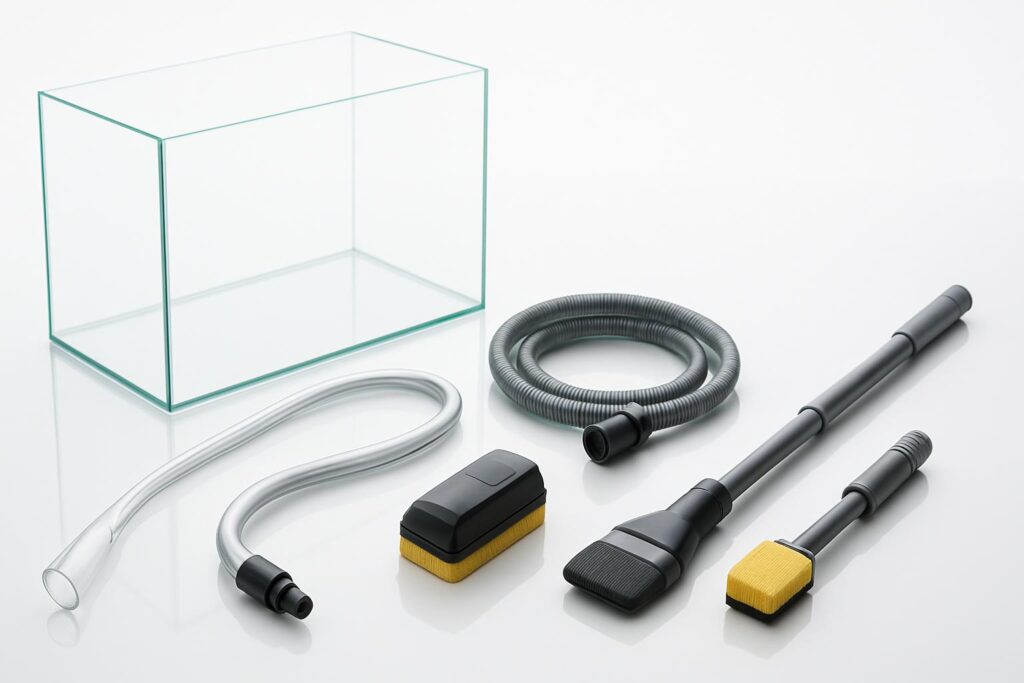
Keeping a betta tank clean is simpler when you use tools that fit small spaces, protect delicate fins, and make water changes fast. In 2026, there are a few standouts that reduce mess, prevent stress, and help you stay on a steady weekly routine. Below you will find a practical guide to choosing the right gear, plus the five best cleaning tools that match real betta needs in the most common 2.5 to 10 gallon setups.
What Makes a Cleaning Tool Betta-Friendly
Gentle flow and small scale
Betta tanks are compact and bettas dislike strong currents. Look for narrow intake tubes, adjustable flow, or magnet sizes designed for nano tanks. Tools that work in tight corners are a win.
Easy, fast, repeatable
If a tool is hard to assemble or floods the floor, you will avoid using it. The best options start quickly, stop quickly, and store neatly so weekly use feels effortless.
Safe for glass or acrylic
Some scrapers are for glass only. Confirm compatibility so you do not scratch clear panels. When in doubt, use a soft pad or sponge attachment.
Supports a consistent routine
A clean betta tank depends on partial water changes of 25–35 percent each week, light gravel vacuuming, and fast algae control. Choose tools that make this routine smooth and repeatable.
The 5 Best Betta Tank Cleaning Tools for 2026
1) Aqueon Siphon Vacuum Aquarium Gravel Cleaner, Small
This classic gravel cleaner is simple, budget-friendly, and sized for nano tanks. The narrow tube fits into corners and between plants while the gravity siphon makes it easy to pull out dirty water and debris during weekly changes.
Why it helps: It removes waste from the substrate while you perform a partial water change, which directly improves water clarity and reduces ammonia spikes.
Best for: 2.5–10 gallon betta aquariums with fine gravel or small pebbles.
How to use: Unplug the heater and filter near the water line. Start the siphon, guide the tube just above the gravel surface, and pinch the hose to slow flow if needed. Replace with dechlorinated, temperature-matched water.
Potential downsides: As a manual siphon, you need a bucket and a bit of practice to control flow in very small tanks.
2) Python No Spill Clean and Fill Aquarium Maintenance System, 25-Foot
For those who want fast, spill-free changes without buckets, this system connects to a faucet for quick draining and refilling. The gravel tube is long enough to reach corners while the hose sends water straight to a sink.
Why it helps: Faster water changes mean you actually keep a weekly schedule. Less lifting and fewer spills reduce stress for you and your betta.
Best for: 5–10 gallon betta tanks near a sink, or anyone who wants a tidy, no-bucket setup.
How to use: Attach the adapter to a faucet, set to drain, and vacuum waste as water flows out. Switch to fill with dechlorinated water. Always match temperature to the tank and add conditioner for the full tank volume.
Potential downsides: Requires a compatible faucet and some storage space for the hose. Overkill for very small apartments without sink access near the tank.
3) Flipper Nano Magnetic Algae Cleaner
This compact magnet is built for small glass tanks. One side scrubs soft algae. Flip it to use the blade for tougher spots, and it floats to the surface when detached so you do not fish it out by hand.
Why it helps: Algae control becomes a 60-second task you can do midweek without getting your hands wet, which keeps viewing panels clear and bio-load lower.
Best for: Glass betta tanks up to about 6 mm thick, with light to moderate algae growth.
How to use: Move slowly along the glass. Use the scrub side for daily upkeep and the blade side for stubborn spots. Keep a small gap around silicone seams to avoid damage.
Potential downsides: The blade can scratch acrylic. Confirm panel thickness and material before use. For acrylic or bowls, use a soft pad instead.
4) EHEIM Quick Vac Pro Automatic Gravel Cleaner
This battery-powered vacuum pulls detritus up through a fine mesh while sending filtered water back to the tank. It is ideal for spot-cleaning between water changes or for tanks where you want minimal disturbance.
Why it helps: You can remove waste without lowering water level, which keeps temperature and parameters stable for sensitive bettas.
Best for: 5–10 gallon tanks with at least about 10–12 inches of water depth and small-grain substrates.
How to use: Power on, insert vertically into the gravel, and lift debris with short, gentle passes. Empty and rinse the filter cartridge after use.
Potential downsides: Not great for very shallow bowls or ultra-fine sand that can clog the filter. It is a premium tool, so consider it if you value in-between cleanups.
5) Hygger 6-in-1 Aquarium Cleaning Tool Kit
This modular kit includes a sponge, algae scraper, corner brush, gravel rake, and other small attachments on an extendable handle. It is designed to reach tight angles and keep maintenance consistent.
Why it helps: One handle with quick-swap heads covers glass cleaning, light substrate grooming, and detail work around decor and hardscape.
Best for: 2.5–10 gallon betta tanks with plants and decor that trap bits of food or mulm.
How to use: Use the sponge for daily film, the scraper for tougher algae on glass, the corner brush around filter intakes, and the rake to level gravel after vacuuming.
Potential downsides: The scraper is not for acrylic, and very thick algae may still need a dedicated magnetic cleaner or manual pad.
How to Use These Tools Without Stressing Your Betta
Set a simple weekly routine
Plan 25–35 percent water changes once a week. Vacuum light debris from the top layer of gravel. Wipe or magnet-clean viewing panels midweek if needed.
Match temperature and condition the water
Always match new water to tank temperature and add dechlorinator before refilling. Bettas are sensitive to sudden shifts.
Control flow and move slowly
Use small intakes and gentle motion. If your betta is curious, guide the tool away from fins. Turn off the heater and any filter that may run dry during water removal.
Do not overclean biological surfaces
Lightly vacuum. Do not scrub every inch of established gravel or rinse media in tap water. Preserve beneficial bacteria to keep parameters stable.
Conclusion
The right tools make betta maintenance quick and calm. Use a small gravel siphon for weekly changes, a bucket-free system if you want speed, a nano magnet for fast algae control, an automatic gravel cleaner for spot work, and a compact multi-tool for detail cleaning. Keep movements gentle, change a moderate amount of water, and match temperature every time. With this setup, your betta’s home stays clear, stable, and easy to maintain all year.
FAQ
Q: How often should I change water in a betta tank?
A: Plan 25–35 percent water changes once a week, with light gravel vacuuming during the change.
Q: Which gravel vacuum works best for a small betta tank?
A: Aqueon Siphon Vacuum Aquarium Gravel Cleaner, Small, because the narrow tube fits tight spaces and keeps flow gentle.
Q: How can I clean algae quickly between water changes?
A: Use a nano magnetic algae cleaner like the Flipper Nano to wipe panels in about a minute.
Q: Can I remove waste without changing water?
A: Yes, the EHEIM Quick Vac Pro pulls debris into a mesh and returns filtered water to the tank, which is useful for spot-cleaning.
Q: What is the easiest way to avoid stressing my betta during cleaning?
A: Move tools slowly, control flow, turn off equipment near the water line, and match temperature with dechlorinated water.