
We are reader supported. When you purchase through links on our site, we may earn an affiliate commission. Also, as an Amazon affiliate, we earn from qualifying purchases.
Algae control in reef tanks should not feel like a guessing game. A chaeto reactor gives you predictable nutrient export in a small footprint, grows clean Chaetomorpha you can harvest, and keeps light spill out of your display. If you want lower nitrate and phosphate without fighting nuisance algae in the sump, a reactor is one of the most reliable tools you can add. Below you will find the 5 best reef tank chaeto reactors for 2026, clear reasons to choose each, and setup tips that help you get strong, steady growth from day one.
What Is a Chaeto Reactor and Why It Works
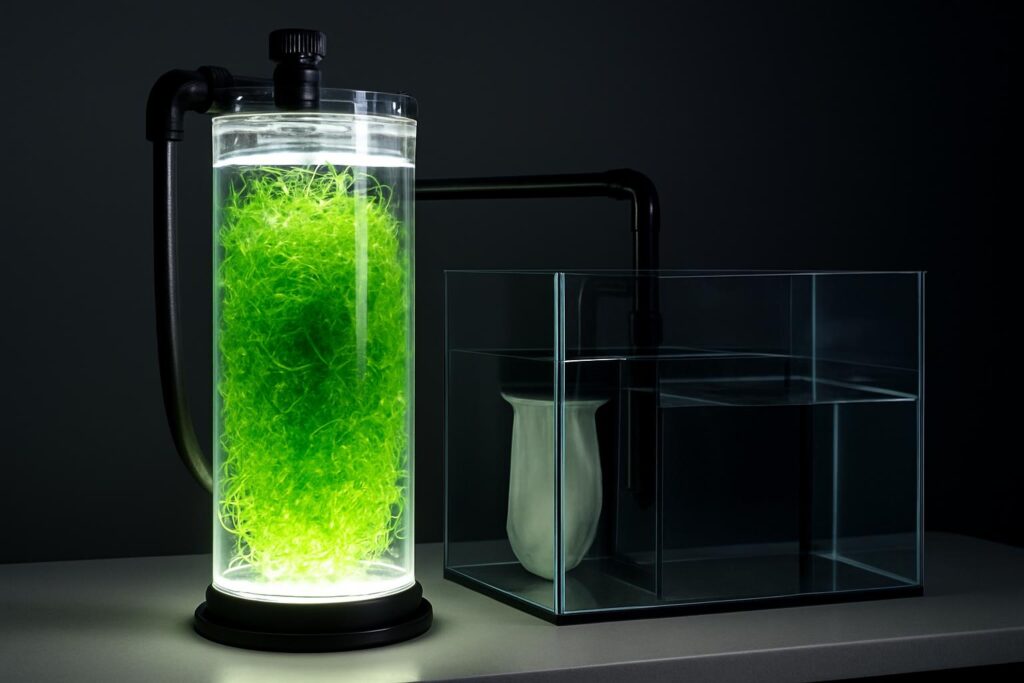
A chaeto reactor is a sealed acrylic chamber with dedicated lighting that grows Chaetomorpha macroalgae. Water flows through the reactor and the chaeto absorbs nitrate and phosphate. You harvest the chaeto to physically remove bound nutrients. Because the light is enclosed and concentrated, reactors tend to be efficient, tidy, and predictable compared to open refugiums.
Why it helps: Consistent macroalgae growth stabilizes nutrients, reduces nuisance algae pressure, and improves water clarity. It also adds oxygen at night if you run the reactor light on a reverse photoperiod.
How We Chose These Reactors
Selection was based on long-term reliability, ease of maintenance, thoughtful light design, realistic sizing for common reef tanks, and community feedback. We favored reactors that are simple to service, control light spill, and maintain steady flow without clogging.
Best Reef Tank Chaeto Reactors for 2026
Tunze Macro Algae Reactor 3181
The Tunze 3181 is a refined, quiet reactor built with high-quality components and a smart lighting approach. Tunze emphasizes balanced flow and even illumination for steady chaeto growth, and the build quality makes maintenance straightforward. The lid, seals, and fittings are robust, and the included pump integration is tidy. This is the option many reefers pick when they want a set-and-forget reactor for small to medium systems.
Best for: Owners of small to mid-sized reef tanks who want low noise, clean design, and consistent performance with minimal fuss.
Why it helps: Even internal lighting and controlled flow promote dense, harvestable growth that pulls down nitrate and phosphate over time without light spill into the sump.
Potential downsides: The footprint is larger than some slim reactors, and the price is premium. Ensure pre-filtered water to keep the reactor interior clean between harvests.
IceCap Algae Reactor 120 V2
The IceCap 120 V2 is one of the most popular mid-size algae reactors thanks to its bright, efficient LED sleeve and service-friendly layout. The updated V2 design improves heat dissipation and sealing, while the body size suits many mixed reefs. If your tank is moderate in size and nutrient load, this reactor hits a strong balance of growth rate and maintenance simplicity.
Best for: Medium reef tanks needing dependable nutrient export without complex plumbing or a large sump footprint.
Why it helps: A wraparound LED delivers intense, even light to the chaeto mass, encouraging fast growth and reliable harvest cycles that steadily remove nutrients.
Potential downsides: Bright LEDs can add mild heat to the water column. Light bleed is low, but you should seat the sleeve and O-rings carefully to prevent leaks and salt creep.
IceCap Algae Reactor 200 V2
When your system is larger or your bioload is heavy, the IceCap 200 V2 scales up capacity while keeping the same user-friendly design cues as the 120. The extra volume supports thicker algae mats and longer intervals between harvests, which suits busier schedules and bigger tanks.
Best for: Larger reef systems or nutrient-heavy setups that need stronger, more forgiving export capacity.
Why it helps: The larger body and powerful light create room for vigorous chaeto growth, stabilizing nutrients during feeding-heavy routines or new-tank maturation.
Potential downsides: Requires more cabinet or sump space. As with all high-output reactors, monitor temperature and flow to prevent hot spots and compaction.
Skimz MBR127 Macroalgae Reactor
The Skimz MBR127 focuses on strong light coupling and a compact body that fits many cabinet layouts. It prioritizes efficient light transfer and simple access to the chaeto chamber, so you can harvest quickly and reseat the lid without a mess. It is a proven option for tanks where steady nutrient control matters more than maximum capacity.
Best for: Smaller to mid-sized tanks where cabinet space is limited but dependable nutrient control is needed.
Why it helps: Concentrated lighting and stable internal flow promote dense, uniform growth that is easy to harvest and repeat on a schedule.
Potential downsides: The compact chamber can compact the chaeto if you let harvests go too long. Set a reminder to maintain flow and growth rate.
Skimz MBR157 Macroalgae Reactor
For reefers who like the Skimz layout but want more headroom, the MBR157 enlarges the growth chamber and light surface area. It suits tanks with heavier feeding routines or those transitioning off other nutrient control methods. If you want fewer harvests with similar stability, this size is the practical jump.
Best for: Larger or heavily stocked tanks that need higher macroalgae throughput and longer maintenance intervals.
Why it helps: Extra volume supports robust growth, steadier nutrient uptake, and forgiving maintenance timing.
Potential downsides: Larger footprint and additional weight when full. Ensure your stand and plumbing plan accommodate the size before purchase.
Setup Tips for Strong Chaeto Growth
Dial in Light and Photoperiod
Run the reactor light on a reverse photoperiod to buffer nighttime pH dips. Start with 10 to 12 hours and extend to 16 hours if nutrients are high. If chaeto pales, shorten the light period or slightly reduce intensity where adjustable.
Set Flow for Tumble or Turnover
Chaeto should gently tumble or at least receive steady turnover without packing against the wall. Increase flow if you see compaction or dead zones. Decrease flow if fragments clog the outlet.
Harvest on a Schedule
Plan a regular harvest every 1 to 3 weeks based on growth. Removing a dense handful at a time is better than letting the reactor overfill, which restricts flow and slows nutrient export.
Keep the Reactor Clean
Rinse the chamber, lid, and screens during harvests. Wipe salt creep from fittings. Check O-rings for wear and lubricate with a reef-safe silicone grease to maintain a good seal.
Stabilize Nutrients
Chaeto reactors are steady, not instant. Aim for gradual nitrate and phosphate reductions. If nutrients bottom out, reduce photoperiod or harvest more frequently to avoid starving corals.
Conclusion
Each reactor on this list solves the same problem in a slightly different way. The Tunze 3181 stands out for quiet operation and premium build. IceCap’s 120 V2 is the mid-size workhorse, while the 200 V2 adds headroom for demanding systems. Skimz MBR127 fits tight spaces without sacrificing performance, and the MBR157 delivers higher capacity with longer maintenance intervals. Choose based on your tank size, available space, and how often you want to harvest. Set the light on a reverse schedule, keep flow consistent, and harvest routinely. You will see stable, predictable nutrient control that makes your reef easier to manage.
FAQ
Q: Why use a chaeto reactor instead of an open refugium?
A: A chaeto reactor encloses the light for higher efficiency and no light spill, delivers even illumination for steady growth, and keeps maintenance tidy compared to open refugiums.
Q: How long should I run the reactor light each day?
A: Start with 10 to 12 hours on a reverse photoperiod and extend to 16 hours if nutrients are high or shorten if chaeto pales.
Q: How often do I harvest chaeto from a reactor?
A: Plan a regular harvest every 1 to 3 weeks based on growth to prevent compaction and keep nutrient export consistent.
Q: What size reactor should I choose for my reef tank?
A: Match the reactor body size to your tank volume and nutrient load, choose compact models for tight stands, and pick larger bodies if you want longer intervals between harvests.
Q: What are common downsides to watch for?
A: Watch for light heat buildup, O-ring wear, chaeto compaction if harvests are delayed, and ensure enough cabinet space for larger models.