
We are reader supported. When you purchase through links on our site, we may earn an affiliate commission. Also, as an Amazon affiliate, we earn from qualifying purchases.
Transporting coral safely is non-negotiable. Temperature swings, sloshing, and oxygen stress can turn a routine pickup into a loss. The right container prevents those risks, keeps frag plugs upright, and preserves polyp health until you reach the tank. Below are five proven options to cover every scenario in 2026, from frag swaps to long drives. Each pick includes why it helps, where it excels, and what to watch for, so you can choose fast and move your coral with confidence.
How to Choose a Coral Transport Container in 2026
Key factors that matter
Focus on temperature stability, leak resistance, and coral positioning. Temperature stability protects sensitive SPS and LPS tissue. Leak resistance prevents mess and contamination. Secure positioning stops frags from tumbling and breaking. Look for reef-safe, food-grade plastics or purpose-built reef gear, and plan capacity based on your typical haul size.
What most reefers pair together
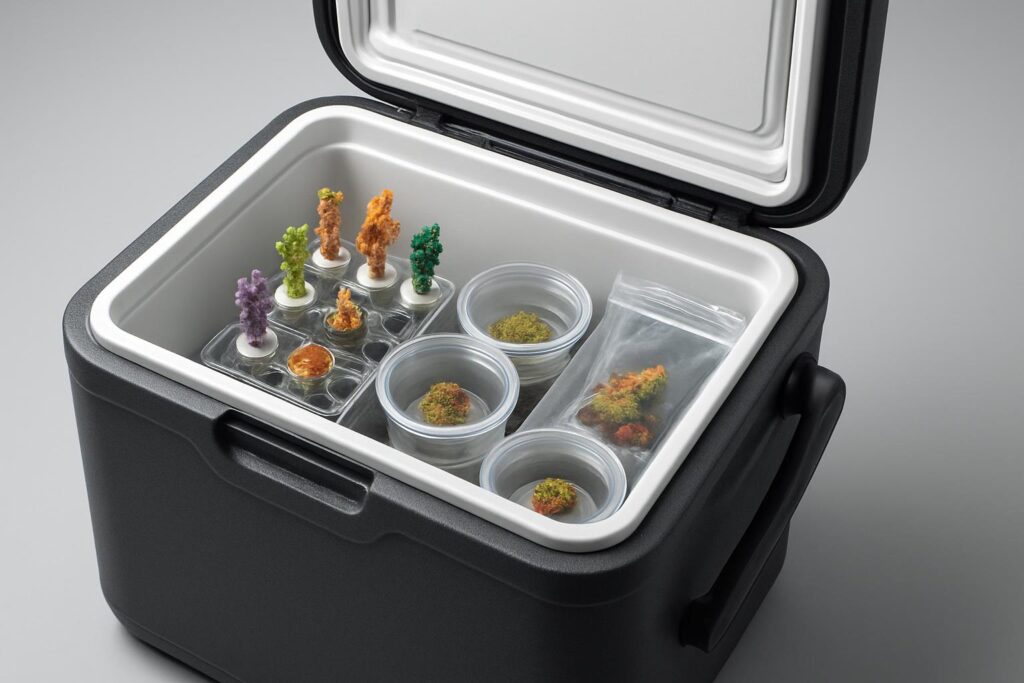
Use a rigid or bagged primary container for each coral and place those inside an insulated cooler. This two-layer approach reduces slosh, blocks light and heat, and keeps everything organized. Many reef keepers add foam dividers or rubber bands to lock containers in place.
Best Overall: PolypLab Coral View Frag Transport Container
Why it stands out
This purpose-built container secures multiple frag plugs upright, reducing contact and abrasion. The threaded, leak-resistant lid and compact profile make it practical for store pickups and frag swaps. Clear walls let you assess corals without opening, and the internal rack keeps plugs off the bottom.
Why it helps
Why it helps: Dedicated plug slots prevent tumbling and broken tips, while a tight lid limits evaporation and spills. It is sized for quick handling and fits easily inside a small cooler for temperature control.
Best for
Best for: Multiple small to medium frags, short to moderate drives, reefers who want one tidy box instead of a dozen loose cups or bags.
Potential downsides
Potential downsides: Rack slot size may not fit every plug stem perfectly, and capacity is finite. For oversized colonies or odd-shaped encrusters, you may need a second container.
Setup tips
Rinse with RO water, load plugs into the internal rack, fill with clean, temperature-matched saltwater, and seal firmly. Place inside an insulated cooler with foam around it to prevent movement. Avoid overfilling; leave a small water gap so gentle slosh absorbs shocks without splashing the lid.
Best for Short Trips and Acclimation: Lee’s Specimen Container, Large
Why it stands out
This rigid, hang-on-tank container offers excellent visibility and control during transfer and acclimation. It is simple, affordable, and tough. For fast local runs, it is a dependable coral cup that resists crushing and keeps tissue away from container walls.
Why it helps
Why it helps: Rigid walls prevent the coral from being squeezed, and the wide opening makes it easy to place and remove frags without scraping. During acclimation, it hangs on the tank rim, so you can drip in display water with precision.
Best for
Best for: Short drives, in-store selection, and careful acclimation at home. Also useful as a prep station while cutting or cleaning frags.
Potential downsides
Potential downsides: Not fully leakproof if tipped; use a rubber banded film or a snap-on lid variant for transport and keep it upright in a cooler. Capacity is limited for larger colonies.
Setup tips
For transport, use a tight cover or plastic wrap with a strong rubber band. Add a small piece of inert foam to wedge a plug if needed. Place upright inside a cooler with dividers to stop tipping. For acclimation, clip it to the tank and drip-water match over 20–40 minutes.
Best Leakproof Budget Option: Food-Grade Deli Containers with Lids, 16 oz
Why it stands out
Food-grade polypropylene deli cups are the unsung heroes of frag swaps. They are inexpensive, stackable, and reliably leak resistant when snapped shut. The 16 oz size balances volume with packability, keeping small to medium frags submerged and secure.
Why it helps
Why it helps: Food-grade plastic is reef safe. The wide mouth lets you place frags gently, and the flat, locking lid minimizes spills. Multiple cups fit neatly in a small cooler, and you can label lids for instant identification.
Best for
Best for: Bulk frag transport, club events, and organized storage in a cooler. Great as secondary containers to separate species or pests during quarantine.
Potential downsides
Potential downsides: Not insulated and not impact-proof. If tossed around, plugs can knock into coral tips. Use foam or frag stem wedges to immobilize.
Setup tips
Place a small square of inert foam or egg crate in the bottom and wedge the plug stem so the coral stays upright. Fill with temperature-matched saltwater just above the coral. Snap the lid fully around the rim. Pack cups tightly in a cooler with towels or dividers so they cannot slide.
Best for Temperature Control: Coleman FlipLid 5-Quart Personal Cooler
Why it stands out
Stable temperature is the number one protector during transport. This compact hard cooler is light, durable, and sized for quick trips. It fits several deli cups or a dedicated frag container and keeps out sunlight and heat.
Why it helps
Why it helps: Insulation reduces temperature swings and shields corals from UV. The hard shell prevents crushing, and the compact footprint sits safely on a car floor. The lid doubles as an organizer surface at swaps.
Best for
Best for: Any coral transport longer than 10–15 minutes, or whenever outside temperatures are above or below room temperature. For frag swaps, a 5-quart cooler typically fits 8–12 deli cups plus a small frag container.
Potential downsides
Potential downsides: No internal dividers. You will need towels, foam, or a DIY insert to stop containers from tipping. Limited height for very tall items.
Setup tips
Precondition the cooler by placing it indoors for several hours, or pre-warm or pre-chill with a small heat or cold pack, respectively. Do not let packs touch the containers directly; wrap them in a towel. Keep the cooler out of direct sun in the car. Open the lid only when necessary.
Best for Oxygen-Sensitive Transport: Kordon Breather Bags
Why it stands out
Breather bags exchange gases through the bag wall, supplying oxygen and venting CO2 without needing an air pocket. This reduces slosh, supports respiration, and can be a game changer for delicate inverts and small coral pieces.
Why it helps
Why it helps: With no trapped air bubble, frags are less likely to be exposed during bumps. Continuous gas exchange reduces stress over longer drives compared to standard poly bags with air.
Best for
Best for: Long drives, sensitive species, and situations where upright stability is uncertain. Works well inside a cooler that remains dry inside.
Potential downsides
Potential downsides: Requires correct use. Do not double-bag. Do not include an air pocket. Do not float them in water. The outside of the bag must remain dry so gas exchange continues.
Setup tips
Fill with clean, temperature-matched saltwater to fully submerge the coral, gently squeeze out air, then tie or band the bag. Place the bag inside a dry cooler with padding so it stays flat and protected. Label species and orientation on the outside.
How to Combine These Picks for Maximum Safety
Short local runs
Use the PolypLab frag container or Lee’s specimen container for secure placement, then store it inside the Coleman 5-quart cooler. Add towel padding to stop shifts. Keep the cooler closed and shaded.
Frag swaps and bulk hauls
Line the cooler with foam, organize frags individually in 16 oz deli cups, and stack carefully. For premium pieces, use the PolypLab container inside the same cooler. Label each lid to avoid opening containers repeatedly.
Long drives or sensitive species
Pack corals in Kordon breather bags with no air pocket, place them dry inside the cooler, and insulate with towels. Consider a small heat or cold pack, wrapped, to maintain temperature. Open the cooler only when needed.
Conclusion
Coral health during transport depends on temperature stability, minimal slosh, and secure positioning. A dedicated frag container keeps plugs upright. Deli cups and specimen containers add flexibility. Breather bags support oxygen needs on longer trips. An insulated 5-quart hard cooler ties the system together. Choose the right combination for your route and coral type, and you dramatically improve arrival condition and recovery in the display.
FAQ
Q: Which container keeps multiple frag plugs most secure during transport?
A: The PolypLab Coral View Frag Transport Container secures plugs upright, limits slosh, and fits neatly inside a small cooler.
Q: How do I keep temperature stable on the way home?
A: Use a compact insulated cooler like the Coleman FlipLid 5-quart, precondition it, keep it out of direct sunlight, and if needed add a small wrapped heat or cold pack without direct contact with the containers.
Q: Are deli containers reef safe for corals?
A: Food-grade polypropylene deli cups are reef safe and work well for short to moderate trips when packed tightly in a cooler and padded to stop tipping.
Q: What are the key rules for using Kordon breather bags with corals?
A: Do not include an air pocket, do not double-bag, do not float them in water, and keep the outside of the bag dry so gas exchange continues.
Q: How many small containers fit in a 5-quart cooler for a frag swap?
A: A 5-quart cooler typically fits 8–12 standard 16 oz deli cups plus a small frag container when packed efficiently with padding.