Set Up

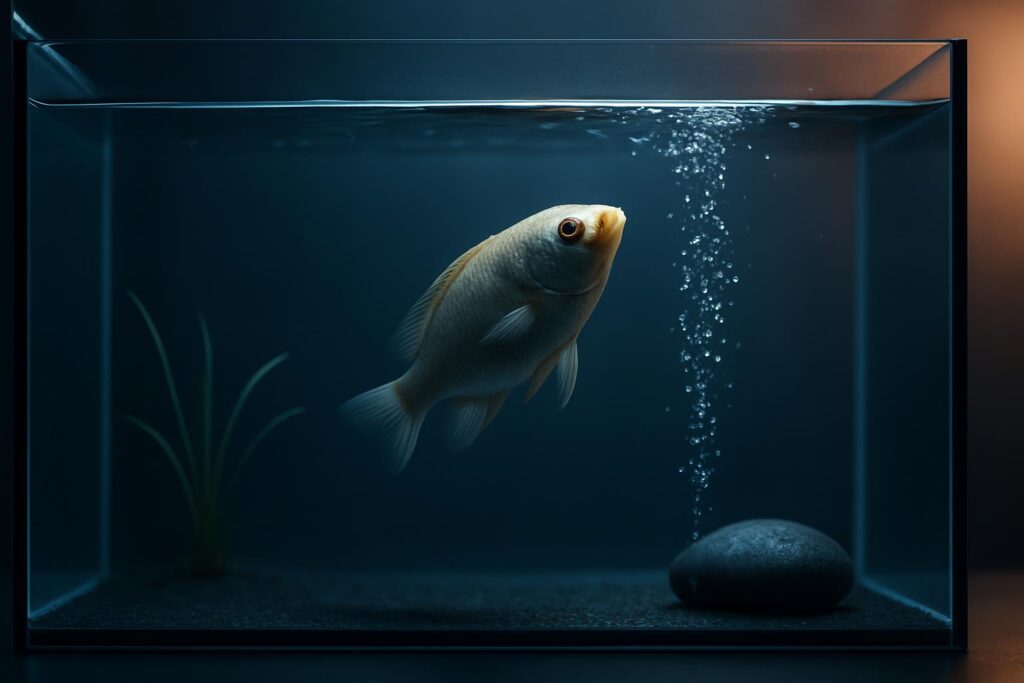
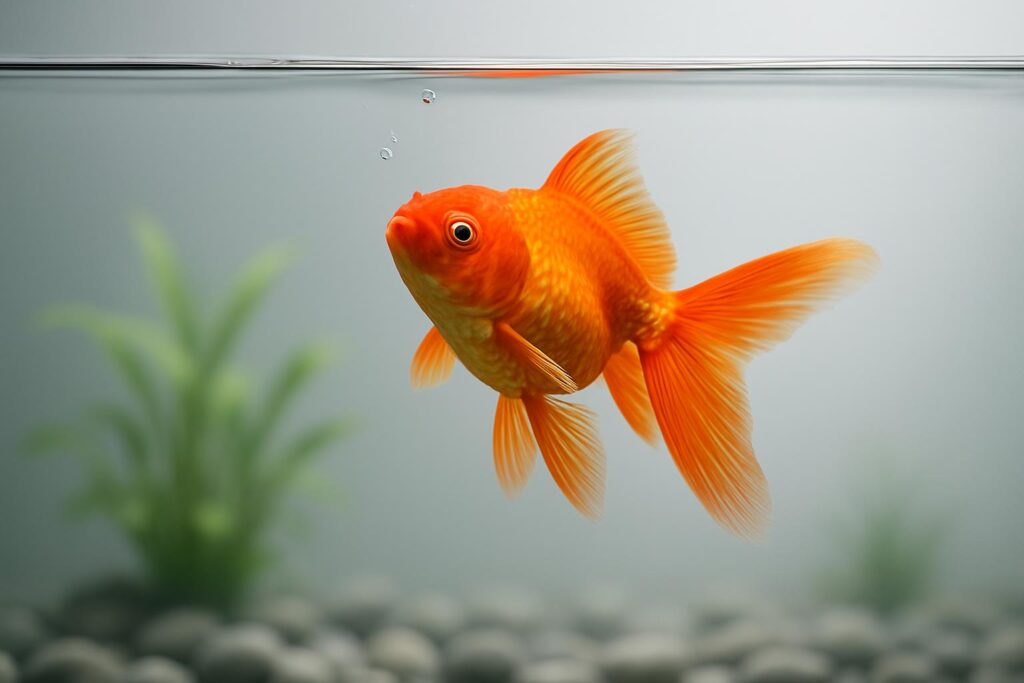
Why are my fish gasping at the water’s surface | Guide

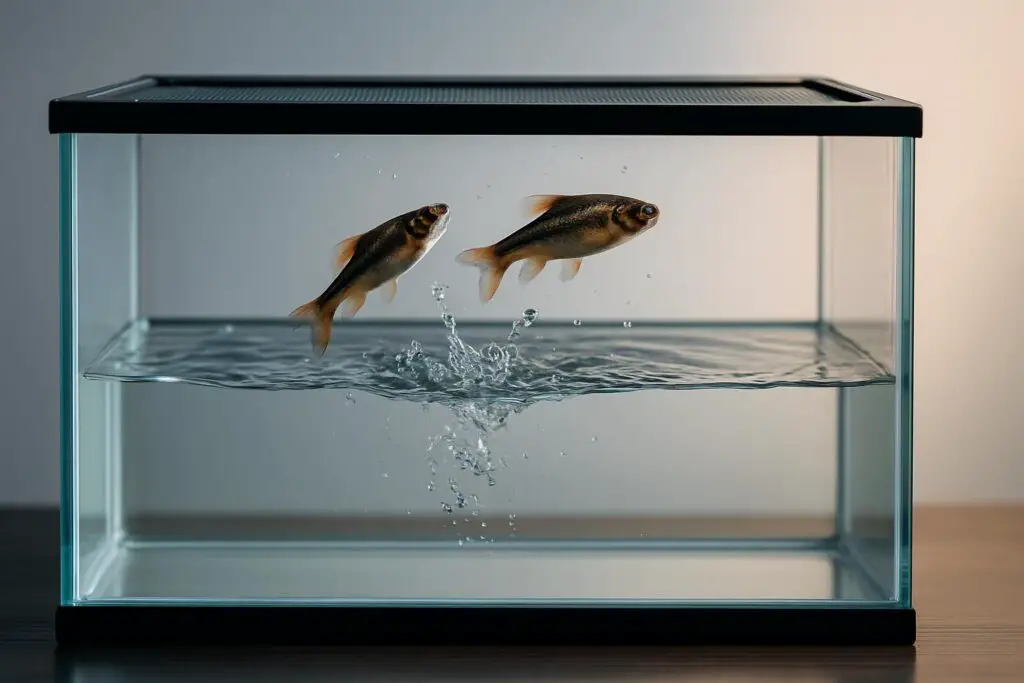
Gasping at the surface signals oxygen problems or water issues. Stay calm and act quickly: boost surface agitation, add aeration, and perform a 30–50% dechlorinated water change. Stop feeding for 24 hours. Then test ammonia, nitrite, nitrate, and temperature; fix filtration, temperature, and bioload to restore safe oxygen levels today.

Why are my fish gasping at the water‚Äôs surface | Guide Read More »

Is there a dominance hierarchy amongst corals | Guide

Corals aren’t governed by a universal ladder; they compete through guilds and context. Success depends on space, light, flow, and nutrients, plus strategies like sweepers, digestive filaments, shading, and allelopathy. By zoning, spacing, and vigilant night checks, hobbyists create peaceful, thriving mixed reefs with resilient neighbors that keep corals harmonious.

Is there a dominance hierarchy amongst corals | Guide Read More »

Apart from the zooxanthellae, how else do corals feed | Guide

Corals rely on zooxanthellae, but many species also feed on plankton, dissolved nutrients, and microbes. They catch prey with tentacles, trap particles with mucus, and even digest externally. In aquariums, match particle size, time feeds, and balance nutrients with filtration for healthier, faster-growing, colorful corals through careful observation and adjustment.

Apart from the zooxanthellae, how else do corals feed | Guide Read More »

Why are so many marine fish so specialised in their diet | Guide

Marine fish are renowned for color and form, yet many species eat specialized diets. Generalists adapt, while specialists target copepods, sponges, coral polyps, or plankton. This guide explains why specialization arises, how it shapes reefs and tanks, and how to feed wisely without harming water quality for beginners and hobbyists.

Why are so many marine fish so specialised in their diet | Guide Read More »

What is the smallest viable marine tank and what equipment do I need | Guide

Starting a saltwater aquarium is exciting, but small tanks demand careful planning. This beginner-friendly guide reveals the smallest viable sizes (13.5 to 20 gallons), essential gear, and a simple setup plan. Learn stability tactics, safe stocking, maintenance routines, and realistic expectations so a reef or fish-only system thrives with confidence.

What is the smallest viable marine tank and what equipment do I need | Guide Read More »

Why are marine tanks generally more expensive to set up than freshwater ones | Guide

Saltwater tanks dazzle, but beginners quickly see higher costs due to salt mix, RO/DI water, protein skimmers, live rock, reef lighting, and constant monitoring. Start small, choose fish-only or soft corals, buy used gear, mix your salt water, quarantine, and pace investments to build stability without over-spending and enjoy progression.

Why are marine tanks generally more expensive to set up than freshwater ones | Guide Read More »