
We are reader supported. When you purchase through links on our site, we may earn an affiliate commission. Also, as an Amazon affiliate, we earn from qualifying purchases.
Fin problems are among the most common issues in home aquariums. Many fish keepers see ragged fins and assume a disease, but not all frayed fins are fin rot. Some are simple physical damage that heal with clean water and better tank control. Getting the diagnosis right saves fish, time, and money. This guide shows you how to tell fin rot from fin damage, how to treat each, and how to stop it from coming back.
Fin Rot vs Fin Damage: The Core Difference
What fin rot looks like
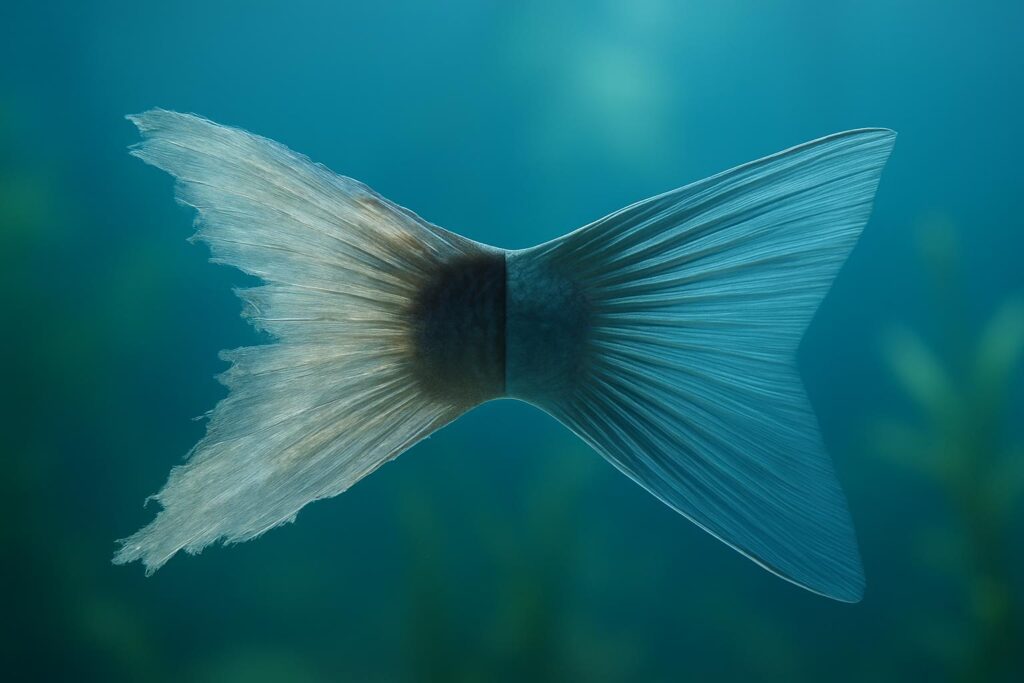
Fin rot is an infectious condition, usually bacterial, sometimes fungal. Edges appear uneven and eaten away. You may see a white, off-white, or opaque edge, sometimes red or bloody where tissue is inflamed. Fins keep receding over days if conditions do not improve. In advanced cases, rot approaches the fin base.
What fin damage looks like
Fin damage is physical tearing from nippy tankmates, sharp decor, netting injuries, or filter intakes. Edges look torn or split but clean, often with straight rips. If water quality is good, the damage stops progressing and begins to regrow with clear or whitish new fin rays within a week or two.
Quick checks to tell them apart
- Edge color: Rot often has pale, fuzzy, or inflamed edges. Damage has clean splits without a fuzzy margin.
- Progression: Rot worsens day by day. Damage stabilizes or improves with clean water.
- Behavior: Fin nipping or recent decor changes point to damage. Poor water readings point to rot risk.
- Texture: Cottony growth suggests secondary fungus on top of rot, not simple damage.
Step-by-Step Diagnosis
1. Check the fin edges and texture
Look close. Eaten, ragged edges with discoloration suggest rot. Clean tears suggest damage. Photograph today and recheck tomorrow. Rot often looks worse in 24 to 48 hours if untreated.
2. Review recent events
New aggressive tankmate, breeding fights, or spiky decor point to damage. Overstocking, missed water changes, or a dead fish in the tank recently point to rot risk.
3. Test your water
Measure ammonia, nitrite, nitrate, and pH. Aim for ammonia 0 ppm, nitrite 0 ppm, nitrate under 20 to 40 ppm with stability. Any ammonia or nitrite increases rot risk and slows healing.
4. Watch overall health
Lethargy, clamped fins, loss of appetite, and hiding are common in rot and in poor water. If the fish is active and eating, damage is more likely.
Treatment if it is Fin Damage
Immediate actions
- Do a partial water change of 30 to 50 percent to improve conditions.
- Remove or sand sharp decor edges. Add gentle pre-filters to intakes.
- Separate nippy species or provide more cover to break line of sight.
Salt support for mild cases
Aquarium salt can reduce stress and support healing in many freshwater species. Typical supportive dose in the display tank is 1 tablespoon per 3 to 5 gallons, dissolved first in water before adding. For sensitive fish such as scaleless catfish and loaches, skip or use half dose.
Healing timeline
Look for clear or whitish fin edges within 5 to 10 days. This is new growth. Keep water clean, feed a varied diet, and avoid further stress. Most torn fins recover without medication.
Treatment if it is Fin Rot
Start with water correction
Rot thrives in poor water. Do a 30 to 50 percent water change, clean debris, and ensure your filter is working. Keep ammonia and nitrite at zero. Do not overfeed.
When to medicate
If edges continue to recede after 48 hours of excellent water, use medication. Treat in a quarantine tank when possible. Increase aeration because many medications lower oxygen levels. Remove activated carbon or any chemical media before dosing.
General dosing tips
- Follow the label exactly. More is not better.
- Complete the full course even if the fin looks better mid-treatment.
- After treatment, run fresh carbon if desired to clear residual meds, and perform water changes.
Product Recommendations
API Freshwater Master Test Kit
Why it helps: Accurate testing guides every decision. You cannot stop rot or heal damage if ammonia or nitrite are present.
Best for: Weekly checks and any time fish show stress.
How to use: Test ammonia, nitrite, nitrate, and pH. Log results and adjust maintenance to keep stable, low waste levels.
Potential downsides: Requires manual handling and timing; store reagents properly for reliability.
Seachem Prime Water Conditioner
Why it helps: Detoxifies ammonia and nitrite during emergencies and protects fish during water changes. Stable water is the first line against rot.
Best for: New tanks, cycling issues, or any time parameters wobble.
How to use: Dose per label for new water. In emergencies, follow instructions for detoxifying ammonia between changes.
Potential downsides: Not a cure for infections. Still test water and correct underlying causes.
API Aquarium Salt
Why it helps: Reduces stress and aids gill function and regeneration in many freshwater fish. Useful for fin damage and mild early rot alongside water fixes.
Best for: Livebearers and hardy community fish. Avoid or reduce for scaleless fish and planted tanks.
How to use: Typical supportive dose is 1 tablespoon per 3 to 5 gallons. Dissolve first and add gradually. Replace only for the volume of water changed.
Potential downsides: Can stress sensitive species and some plants. Not a replacement for antibiotics when infection is established.
Seachem Kanaplex
Why it helps: A broad-spectrum antibiotic often effective against the gram-negative bacteria behind fin rot. Works in water or with food for internal uptake.
Best for: Progressive fin rot that does not improve after 48 hours of excellent water and salt support.
How to use: Treat in quarantine when possible. Remove carbon, increase aeration, and follow the label for dose and course length.
Potential downsides: Can impact biofilter and invertebrates. Use only when indicated and complete the full course.
Quarantine and Filter Tips
Why quarantine helps
It lets you treat the fish without exposing the display tank to antibiotics and holds dosing steady. A simple bare-bottom tank with a sponge filter and heater works well.
Filter media during treatment
Remove carbon and chemical media before adding salt or medications. Keep biological filtration if possible to handle waste. Increase surface agitation for oxygen.
Prevention Checklist
- Maintain ammonia 0 ppm, nitrite 0 ppm, nitrate under 20 to 40 ppm.
- Perform regular water changes and gravel cleaning.
- Avoid overstocking and overfeeding.
- Choose compatible tankmates and separate fin nippers.
- Round off sharp decor and cover filter intakes.
- Quarantine new fish for observation before adding to the display.
- Feed a varied, high-quality diet to support the immune system.
Conclusion
Diagnose visually, confirm with water tests, and act early. Clean tears that stabilize point to fin damage and need better conditions and time. Ragged, discolored edges that keep receding point to fin rot and need immediate water correction and targeted medication. Keep a simple toolkit on hand, monitor daily, and prevent future cases with steady, clean water and compatible stocking.
FAQ
Q: How can I tell fin rot from fin damage quickly?
A: Rot has ragged, discolored, or fuzzy edges that keep receding, while damage shows clean splits that stabilize and start regrowing in clear or whitish edges within days.
Q: Do I always need antibiotics for fin rot?
A: No. Start with water correction and monitoring. If edges continue to recede after 48 hours of excellent water, use medication.
Q: Can aquarium salt cure fin rot?
A: Salt supports healing and reduces stress, but it is not a replacement for antibiotics when infection is established.
Q: How long do fins take to regrow?
A: Early signs of regrowth often appear in 5 to 10 days as clear or whitish edges, with full recovery taking longer depending on severity and water quality.
Q: Should I remove activated carbon when medicating?
A: Yes. Remove carbon and chemical media before dosing, and increase aeration during treatment.