
We are reader supported. When you purchase through links on our site, we may earn an affiliate commission. Also, as an Amazon affiliate, we earn from qualifying purchases.
Feeding is the daily decision that shapes fish health, color, growth, and water quality. Many keepers rotate live, frozen, and flake foods without a plan and then face cloudy water, picky eaters, or sick fish. This guide cuts through the confusion. You will learn what each food type offers, how to pick for your species, how to feed without polluting your tank, and how to build a weekly plan that works.
Introduction
Your fish do not need the most expensive food. They need the right food served in the right way. Live food triggers natural hunting. Frozen food delivers dense nutrition with less risk. Flakes are fast and balanced but can be overused. The best routine blends these strengths. Keep reading for clear steps you can use today.
The Big Picture: What Each Food Type Offers
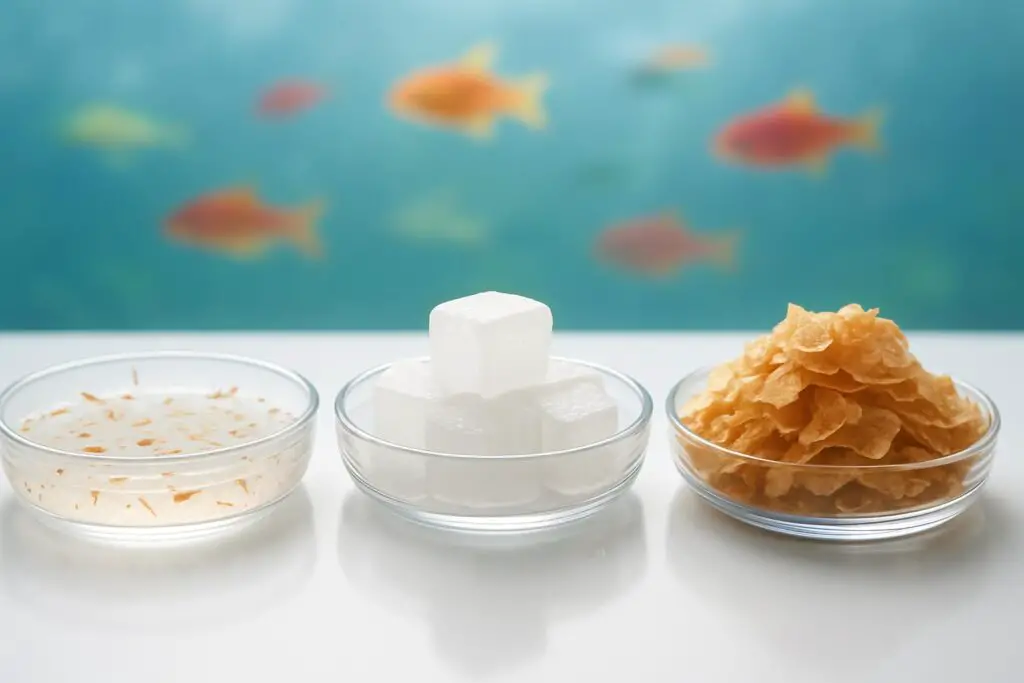
Think in roles. Live food is a high-impact stimulant for appetite and breeding. Frozen food is your dense, reliable protein source for growth and color. Flake food is your daily convenience staple for general nutrition and vitamins. Use each with intent rather than by habit.
Live Food at a Glance
Live food includes brine shrimp, daphnia, blackworms, bloodworms, micro worms, and flightless fruit flies. It moves, so fish chase it and eat with enthusiasm. This is valuable for shy, wild-caught, or newly imported fish and for conditioning breeders. Live prey can be gut loaded to pass nutrients to your fish.
Strengths: unmatched feeding response, strong conditioning value, natural behavior enrichment, useful for fry. Limits: disease or parasite risk if sourced poorly, cost, availability, inconsistent nutrition, and the need for culture space or frequent purchases.
Best use: occasional boosts, breeding prep, rescue for picky feeders, fry growth when micronized foods fail.
Frozen Food at a Glance
Frozen food includes mysis shrimp, brine shrimp, bloodworms, krill, plankton, cyclops, and marine mixes. Quality brands flash freeze to preserve protein, fats, and carotenoids. You get most of the nutrition of live food with far lower pathogen risk.
Strengths: consistent nutrition, broad variety, safer than live, good for color and growth. Limits: needs freezer space, requires thawing and rinsing, can add phosphate if not rinsed, costs more than flakes.
Best use: primary protein source for carnivores and omnivores, rotation for community tanks, conditioning fish for breeding.
Flake Food at a Glance
Flakes are heat processed, fortified with vitamins, and easy to feed. Quality varies. High-grade flakes list whole fish, krill, or spirulina near the top of the ingredient list and avoid heavy fillers as the first items.
Strengths: convenience, balanced vitamins and minerals, good for small-mouthed fish, easy to portion, long shelf life when handled right. Limits: some nutrient loss during processing, oxidation after opening, surface feeding bias, picky fish may resist flakes if spoiled by live foods.
Best use: daily staple for omnivores and community tanks, base of a varied diet, paired with frozen or live once or twice per week.
Nutrition Basics You Must Know
Protein drives growth. Carnivores and many marine fish do well with 45 to 55 percent protein from aquatic sources. Omnivores thrive around 35 to 45 percent. Herbivores need lower protein and more fiber and plant matter.
Fat is energy. Aim for 5 to 12 percent for most freshwater fish. Marine species benefit from omega rich marine fats such as DHA and EPA. Too much fat for goldfish and some cichlids can cause liver issues.
Vitamins matter. Vitamin C prevents lateral line erosion and fin issues. Vitamin A and carotenoids enhance coloration. Vitamin E supports immune function. Processed foods lose vitamins over time, so freshness and rotation help.
Fiber and roughage prevent constipation. Ingredients such as spirulina, nori, pea fiber, and whole algae support herbivores and goldfish. Balance is key. Rotate protein rich foods with plant based items for omnivores and herbivores.
Safety and Disease Control
Live foods can carry pathogens. Reduce risk by culturing at home or buying from trusted sources. Avoid feeder goldfish and rosy reds due to parasite and thiaminase risks. Rinse live foods in clean, dechlorinated water. Gut load live prey with a quality flake, algae paste, or spirulina for at least 12 hours before feeding.
Frozen foods are safer but need handling. Keep sealed and frozen solid. Do not thaw and refreeze. Thaw what you need in a small cup of tank water, then strain and rinse to reduce phosphate and excess juices. Discard leftovers.
Flake food oxidizes after opening. Buy containers you can finish within three months. Store cool and dry with lids tight. Avoid heat and light. Do not mix new and old batches in the same jar.
How to Choose for Your Fish
Community omnivores such as tetras, rasboras, livebearers, and danios do well with a quality flake as the base plus frozen brine or daphnia once or twice weekly. Add a veggie flake or blanched greens weekly.
Betta and gourami species are micro predators. Use a protein rich pellet or flake base, plus frozen bloodworms or mysis twice per week. Occasional live fruit flies or mosquito larvae improve condition and activity.
Goldfish and koi require more plant matter and fiber. Use a dedicated goldfish flake or pellet with low fat. Supplement with blanched spinach, peas without skins, or spirulina flakes. Use frozen foods sparingly and rinse well to protect water quality.
Dwarf cichlids and larger cichlids benefit from frozen mysis, krill, and quality flakes; add plant matter for species that graze. Avoid mammal based fats. For herbivorous African cichlids, prioritize spirulina and algae based foods with occasional daphnia.
Marine reef fish need marine sourced protein and algae. Use quality marine flakes or pellets with nori sheets for tangs. Add frozen mysis, copepods, and reef blends. For picky wrasses and mandarins, live pods and enriched brine help start feeding.
Fry need small, frequent meals. Use infusoria, vinegar eels, micro worms, and newly hatched brine shrimp. Transition to finely crushed flakes as they grow.
Feeding Techniques That Actually Work
Portion control: offer what fish eat within 30 to 60 seconds for active feeders and up to 2 minutes for slow eaters. Remove uneaten food. For bottom feeders, place sinking pellets or gel food in target spots to ensure access.
Frequency: adult fish do well with one to two feedings per day. Fast one day per week for most species to reduce bloating. Fry need three to six small feedings daily. Large predatory fish do better with fewer, larger meals and rest days.
How to Thaw and Rinse Frozen Food
Step 1: pop out the portion you need. Step 2: thaw in a small cup of tank water for 5 to 10 minutes. Step 3: pour through a fine net or coffee filter and rinse with a bit of tank water or dechlorinated water. Step 4: feed gradually across the tank to limit aggression and waste.
How to Prep Live Food Safely
Rinse live food in a fine net. Gut load with a quality flake or spirulina slurry for half a day. For brine shrimp, enrich with a marine fatty acid supplement for 30 minutes before feeding when conditioning marine fish. Discard fouled culture water. Do not pour culture water into your display tank.
How to Use Flakes Without Mess
Crush flakes to match mouth size. Pre soak if fish gulp air at the surface. Feed small pinches and watch the school finish each portion. Combine with frozen or live foods on set days to maintain variety.
Pros and Cons in Practice
Live food excels at stimulating appetite and natural behavior. It is the best tool for picky feeders and breeding prep. The tradeoff is safety and consistency. Use sparingly and source carefully.
Frozen food provides rich, species appropriate nutrition in clean portions. It is the practical choice for growth, color, and recovery from illness. Rinsing and portion control keep nutrients in fish, not in water.
Flakes are unbeatable for convenience and vitamin coverage. They are the lowest stress daily option for most community tanks. Quality selection and freshness determine success.
Common Mistakes to Avoid
Overfeeding is the top cause of cloudy water and disease. Stick to short feeding windows and remove leftovers.
Feeding only one type of food limits nutrition. Rotate categories weekly. Combine flake base with frozen or live additions.
Using feeder fish introduces parasites and thiaminase. Avoid them. Use safer live options like home hatched brine shrimp or cultured daphnia.
Poor storage reduces vitamins. Keep flakes sealed and cool. Keep frozen foods deeply frozen and do not refreeze.
Not rinsing frozen food adds phosphate and fuels algae. Always thaw and rinse.
Sudden switches can cause refusals. Transition over several days by blending old and new foods.
Troubleshooting Feeding Problems
If fish refuse flakes, fast one day, then offer a small mix of crushed flake and thawed frozen brine. Reduce the frozen ratio each day as they accept the flake.
If fish are thin despite eating, check for bullying at feeding time and spread food across the tank. Use higher protein frozen mysis for a week. Confirm water temperature is correct to support metabolism.
If fish bloat after rich foods, feed a lighter diet for several days. For herbivores and goldfish, offer blanched pea halves without skins. Reduce fatty frozen items and switch to daphnia or spirulina flakes during recovery.
If water is cloudy after feeding, you are overfeeding or not rinsing frozen food. Cut portions by 30 percent. Rinse frozen food. Improve filtration and perform a water change.
If bottom feeders are underfed, feed after lights out or use feeding cones, tongs, or target spots to deliver sinking foods where they patrol.
Budget and Sourcing Tips
Buy frozen foods in larger packs to reduce cost per feeding. Split with a local club or friend if needed. Keep a rotation of two frozen types at a time to avoid waste.
Buy small flake containers you can finish in three months. Freshness beats bulk for vitamins. Store a backup sealed jar in a cool, dry place.
Culture simple live foods at home. Brine shrimp hatcheries are cheap and reliable. Daphnia cultures can run in outdoor tubs in warm seasons. This lowers cost and risk compared to random store feeders.
Environmental and Ethical Notes
Choose foods from sustainable fisheries when possible. Favor farmed options for live foods. Avoid releasing live cultures into local waterways. Never use wild caught feeder fish that can carry invasive parasites.
Quick Start Weekly Plans
Community freshwater plan: five days flake base, two days frozen additions. Day 1 flake only. Day 2 flake plus thawed and rinsed brine shrimp. Day 3 veggie flake or blanched greens for five minutes then remove. Day 4 flake only. Day 5 frozen daphnia. Day 6 flake only. Day 7 fast.
Betta plan: four days high protein flake or micro pellet, two days frozen bloodworm or mysis, one day fast. Offer small portions twice daily rather than one large meal.
Goldfish plan: four days goldfish flake or pellet with low fat, two days spirulina flake or blanched greens, one day small portion of rinsed frozen daphnia. Keep portions modest to protect water quality.
Reef fish plan: four days marine flake or pellet with nori every other day, two days frozen mysis or copepods, one day fast. Target feed picky species first to ensure they eat.
When to Use Each Food Type
Use live food when starting wild-caught fish, breaking hunger strikes, preparing breeders, or feeding fry. Keep it clean and limited.
Use frozen food as your go-to for power nutrition, growth, and color. Rinse and portion carefully.
Use flake food for everyday maintenance, vitamin coverage, and convenience. Pair with other types weekly for completeness.
Advanced Tips for Better Results
Enrich frozen brine with a marine fatty acid supplement for 20 to 30 minutes to boost nutrition for marine fish and picky eaters. This improves body condition and color.
Alternate color enhancing options. Use foods with krill, astaxanthin, or spirulina two to three times weekly. Avoid overuse that can tint white areas on certain fish.
For timid species, feed with lights dimmed and flow reduced. Offer food at multiple spots at once to reduce competition.
For heavily planted or shrimp tanks, avoid overfeeding protein rich foods that can spike ammonia if missed. Feed smaller and spot feed with tweezers where needed.
Storage and Shelf Life Best Practices
Flakes: keep sealed, cool, and dry. Use within three months of opening. Do not touch with wet fingers. Do not leave lids open near tank humidity.
Frozen: store at consistent freezer temperatures. If a blister pack looks thawed and refrozen or the cubes are stuck together, discard it. Label open dates on bulk packs.
Live: maintain clean cultures, feed appropriate media, and harvest only what you need. Never add culture water to your display tank.
Species Examples and Food Matches
Neon tetra: quality small flake base, weekly frozen baby brine or daphnia, occasional veggie flake. Tiny portions.
Angelfish: mixed flake or pellet base, frozen mysis for body mass, occasional live brine when breeding.
Corydoras: sinking wafers or gel food base, frozen bloodworms or blackworms once weekly, feed after lights out.
Ram cichlids: high quality micro pellet or flake base, frequent frozen mysis or brine, stable warm water for appetite.
Clownfish: marine flake base, frozen mysis and copepods, nori strips for variation.
Tangs: nori daily or every other day, marine flake or pellet base, small amounts of frozen mysis for variety.
Water Quality and Feeding
Uneaten food becomes ammonia, nitrite, then nitrate. High protein frozen foods are dense. Rinsing and portion control keep water stable. Perform regular water changes, clean filters, and adjust feeding if nitrate creeps up.
If you see oily film or micro bubbles after feeding, you are overfeeding rich foods. Reduce portions, increase surface agitation during feeding, and rinse frozen foods more thoroughly.
Building Your Own Rotation
Pick one flake you trust. Add two frozen options that match your fish diet, such as mysis and brine shrimp for carnivores, or daphnia and spirulina rich blends for omnivores. Add one safe live option for occasional use, such as home hatched brine shrimp or cultured micro worms for fry.
Set a simple schedule you can maintain. Consistency beats variety that you forget to use. Review fish condition monthly and adjust. If color fades, add more carotenoid rich items. If bellies look round, reduce fatty foods.
Conclusion
Live, frozen, and flake foods each have a clear role. Live food sparks appetite and breeding. Frozen food delivers dense, reliable nutrition. Flakes provide daily balance and convenience. Use all three with purpose, not at random.
Start with a solid flake base. Add frozen foods two to three times per week. Use live foods as targeted tools. Control portions, rinse frozen food, and store everything properly. Watch your fish and your water. Small adjustments bring steady gains in health, color, and behavior.
With a simple plan and consistent habits, feeding becomes easy and effective. Your fish will show the results within weeks, and your tank will stay clear and stable.