
We are reader supported. When you purchase through links on our site, we may earn an affiliate commission. Also, as an Amazon affiliate, we earn from qualifying purchases.
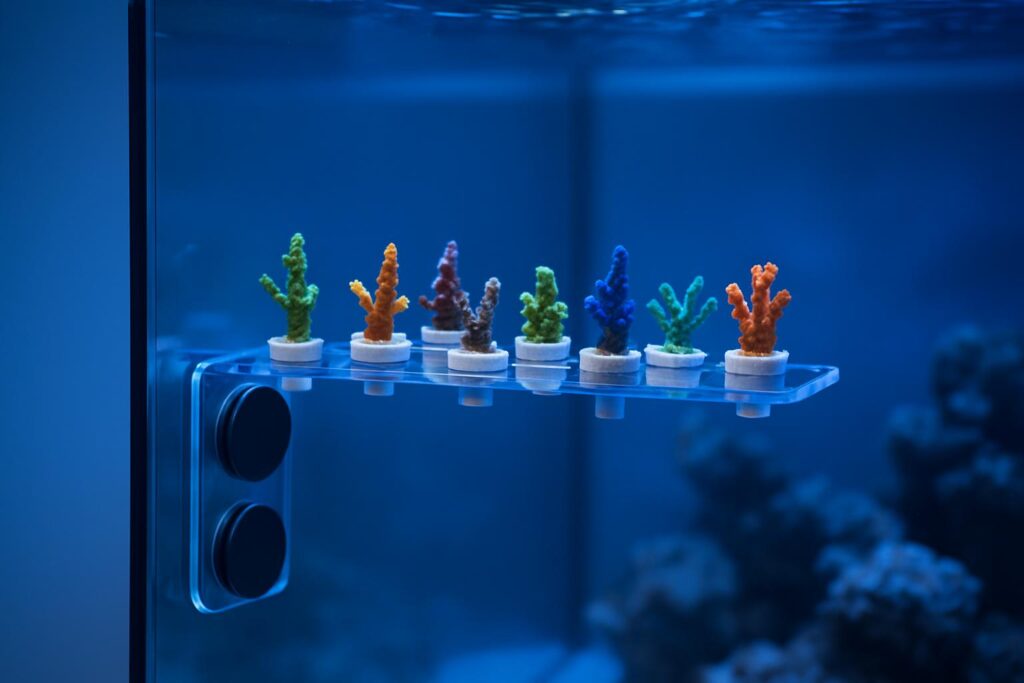
Coral frag racks are small tools that solve a big problem in reef tanks. They organize frags, lock in stable placement, and make dialing in light and flow much easier. A good rack protects magnets from rust, holds frags firmly, and looks clean in the display. This guide picks the 5 best coral frag racks for 2026 and explains how to choose, place, and maintain them for long-term success. Every pick was selected for build quality, magnet safety, real-world stability, and day-to-day usability in reef systems from nano to large mixed reefs.
How to choose a coral frag rack in 2026
Magnet strength and safety
Magnets must match your glass or acrylic thickness. If the rating is too low, the rack can slide or fall. If too strong for thin glass, you risk pinching and cracking. Look for fully encased magnets with epoxy or polymer jackets. Avoid bare metal. Inspect the coating regularly.
Material and finish
Acrylic racks are light, easy to clean, and stay transparent or black for a clean look. Ceramic and rock-like composites blend into the scape and diffuse flow around sensitive frags. Both can be reef-safe if manufactured properly. Choose a non-porous finish if you want fast algae removal, or a textured rock look if you prefer a natural aesthetic that hides in plain sight.
Hole size, spacing, and angle
Standard frag plugs have 10 to 12 mm stems, but there is variation. Slightly tapered holes grip better. Enough spacing between holes prevents shading and lets polyps extend without touching neighbors. Some racks offer a slight tilt to minimize detritus buildup and improve light spread.
Footprint and layout
Match rack scale to your tank. In nanos, a small shelf with 4 to 12 plugs keeps the display tidy. In larger systems, modular racks let you stage grow-out while leaving swim room. Low-profile and corner designs help preserve the open look.
Flow and light
Think about flow across the frag faces and around the bases. Branching SPS need strong, random flow. Zoas and LPS can handle more moderate movement. Position racks where PAR matches your target range and where frags are not shadowing prized colonies below.
Maintenance and flexibility
Choose racks that are easy to remove for cleaning. A smooth acrylic face frees algae faster. Ceramic blends in but may need a soft brush. Extra magnet pads or modular arms help you pivot as coral needs change.
5 Best Aquarium Coral Frag Racks for Reef Tanks for 2026
1) Oceans Wonders Magnetic Frag Rack Coralline Purple
Oceans Wonders is a staple for reef-safe accessories, and this magnetic frag rack remains a favorite for stability and build quality. The coralline purple finish blends with live rock and helps the rack visually disappear in the display. Magnets are fully sealed, and the rack delivers confident holding power when correctly matched to glass thickness. Frag hole sizing accepts common plug stems and holds them snugly without wobble. The footprint works in both nanos and mid-size tanks if you do not overload it.
The rack sits low and flat, which reduces shadows and keeps detritus from collecting in corners. Placement is straightforward: clean both sides of the glass, align the magnets slowly to avoid slamming, and set the rack at a height that matches your light map. With regular cleaning, the purple finish stays clean and does not flake.
Why it helps: Reliable magnet seal, grippy plug holes, and a camouflaged finish that looks natural in reef displays.
Best for: Mixed reefs that want an understated rack with strong hold and simple maintenance.
Potential downsides: The rock-like texture takes a bit more effort to scrub compared with a glossy acrylic face. Verify magnet rating for your glass thickness before installation.
2) IceCap Coral Frag Rack Large
IceCap’s large rack is built for capacity and growth. The design spreads plug holes evenly to keep frags from shading each other and to allow water movement through the array. Magnets are encased and deliver consistent holding strength when sized appropriately to your panel thickness. The acrylic panel is smooth, which makes film algae and coralline easier to remove with a soft pad or blade.
For hobbyists running high PAR for SPS, the flat platform is easy to map under LED clusters or T5 hybrids. The large model supports grow-out while keeping a clean line against the glass. Install it high for acros, or mid-water for montipora, zoas, and meaty LPS. If you run heavy flow, place it where pumps do not create constant pressure from one direction; cross-flow reduces detritus and salt creep.
Why it helps: High capacity with smart spacing, easy-to-clean acrylic, and consistent magnet hold for everyday use.
Best for: Grow-out sections in medium to large systems, especially SPS-forward setups that need predictable light and flow.
Potential downsides: A larger footprint can crowd small displays if you do not plan the layout. Like any strong magnet rack, sudden impacts can damage coatings; handle with care.
3) Reef Rax Nano Shelf Purple
Reef Rax specializes in ceramic-like rock shelves that blend seamlessly into reef scapes. The Nano Shelf is ideal for smaller tanks or for adding a discreet platform in mid-water on larger systems. The textured surface and coralline color make frags look like they are growing on real rock. Magnets are embedded and sealed, delivering solid hold while keeping the aesthetics clean.
The rock-like form subtly shapes flow, which can help prevent detritus accumulation and reduce direct blast on polyp faces. This makes it a good choice for zoanthids, acans, and encrusting species that appreciate gentler flow. If you are sensitive to display appearance, this is one of the least intrusive options because it reads as part of the aquascape rather than gear.
Why it helps: Natural look, safe embedded magnets, and flow-friendly contours that suit sensitive or encrusting frags.
Best for: Nano tanks and display-first reefers who want gear that blends in without visual clutter.
Potential downsides: The textured surface needs a soft brush during maintenance to remove film algae. The smaller format limits the number of plugs you can stage at once.
4) Aquatic Life Magnetic Coral Frag Rack
Aquatic Life offers a dependable acrylic frag rack that balances footprint, magnet safety, and day-to-day usability. The minimalist panel keeps shadows low and enables even light distribution across each plug. Holes are properly spaced so LPS tentacles do not constantly contact neighbors, and SPS can grow without immediate crowding. The magnet pack is sealed and provides a secure hold when matched to the manufacturer’s thickness guidance.
Maintenance is quick. A simple algae pad clears most buildup, and the panel pops off the glass easily for a deep clean. If you run a bowfront or acrylic tank, place the rack on the flattest area possible to ensure full magnet contact. The neutral look suits both minimalist and rock-heavy aquascapes.
Why it helps: Simple, sturdy, and easy to maintain, with balanced spacing for a wide range of coral types.
Best for: Hobbyists who want a no-fuss rack for routine fragging and grow-out without visual distractions.
Potential downsides: The clean acrylic look is not as camouflaged as rock-style racks, and fingerprint smudges show until biofilm develops.
5) Tunze Coral Rack 0220 Series
Tunze’s coral racks are engineered for precise placement and long-term reliability. The 0220 series includes strong magnet holders with carefully machined platforms that accept standard frag plugs. The stability is excellent, especially when you align magnets slowly and seat them firmly on clean glass. Build quality is the draw here. Edges are clean, tolerances are tight, and the plastic resists yellowing under reef lighting.
The modular nature of the system lets you create a tiered arrangement or set a single shelf discreetly. This flexibility is valuable if you rotate frags frequently or you want to isolate test frags at different heights to read their response to PAR and flow before committing to a final position. Cleaning is straightforward and the platform resists staining.
Why it helps: Premium magnet holders with precise fit and a modular layout for controlled testing or display organization.
Best for: Reefers who iterate placements often and want a precision rack that tolerates frequent handling.
Potential downsides: More premium pricing than budget acrylic racks. As with all magnet systems, verify glass thickness compatibility to avoid slippage.
Placement tips for better color and growth
Map your light first
Use your PAR targets to decide rack height before you add frags. SPS often want higher PAR and stronger, randomized flow. Zoas and many LPS prefer mid PAR and moderate flow. Set the rack at the right level and reduce later moves.
Angle to reduce detritus
If your rack design allows, a slight tilt can help water slide across plug faces. This lowers film buildup and salt creep. Keep holes oriented so frag stems seat fully even at a small angle.
Leave room for neighbors
Do not pack the holes from day one. Give fleshy polyps clearance and assume growth. Plan for at least one open hole between aggressive LPS and sensitive neighbors. With SPS, reserve space for encrusting bases.
Mind flow patterns
Place racks where alternating flow reaches each plug. Avoid constant linear blast that keeps polyps closed. If needed, move a pump or adjust a nozzle to improve cross-flow at rack height.
Maintenance that keeps frag racks safe
Weekly quick clean
Wipe the rack face with a soft algae pad during your glass cleaning. Brush around plug bases to keep detritus from settling. Inspect plugs for pests as you pass.
Monthly deep clean
Remove the rack, rinse in tank water, and scrub film algae. For acrylic, a soft pad prevents scratches. For ceramic or rock-textured racks, use a soft brush. Inspect magnet coatings carefully. If you see chips, replace the rack to avoid corrosion risk.
Handling magnets
Always separate magnets gently. Do not let them slam together on the glass. Keep sand away from mating surfaces to preserve the seal. When moving the rack, slide, do not yank.
Which rack should you pick
For the cleanest look
Reef Rax Nano Shelf and Oceans Wonders Coralline Purple blend well into displays. They hide visual clutter and keep the focus on coral.
For easy cleaning and high capacity
IceCap Large and Aquatic Life Magnetic racks give you smooth acrylic faces and generous spacing for grow-out.
For precision and frequent repositioning
Tunze 0220 series offers premium magnet holders and a modular approach that tolerates frequent moves without wear.
Common mistakes to avoid
Ignoring glass thickness ratings
Every magnet has a safe working range. If your glass is thicker than the rating, the rack can slide. If your panel is very thin and the magnet is extremely strong, it can pinch or crack. Always match the rating.
Overloading the rack
Even if there are more holes, do not exceed safe capacity. Heavy rock-mounted frags put extra torque on magnets. Keep loads balanced.
Letting coatings chip
Magnet coatings are your primary defense against rust. Inspect during every deep clean. If you see a breach, retire the unit.
Placing above prized colonies
Racks can shade coral below. If your light plan is tight, shift the rack to the side panel or corner to preserve light for permanent residents.
Conclusion
The right coral frag rack gives you control over placement, light, and flow. It keeps frags safe, organized, and accessible for maintenance. For 2026, these five picks cover every scenario from stealthy nano staging to high-capacity SPS grow-out. Prioritize sealed magnets, stable grip on your glass thickness, and a format that matches your aquascape and maintenance routine. Install slowly, clean regularly, and plan spacing for growth. Do this consistently and you will see steadier color, extension, and encrustment across your frag collection.
FAQ
Q: Which frag rack style hides best in a display
A: Rock-like options such as Reef Rax and coralline purple finishes like Oceans Wonders blend in and reduce visual clutter.
Q: How do I avoid magnet rust on a frag rack
A: Choose racks with fully encased magnets, handle them gently to avoid chips, keep sand off mating surfaces, and inspect coatings during monthly deep cleans.
Q: What is the safest way to place a rack for SPS frags
A: Map PAR first, place the rack high under stable light, ensure strong randomized flow across the plugs, and leave space between frags for encrusting bases.
Q: Do frag racks cause shading for corals below
A: Yes, any platform can block light, so use low-profile designs, avoid crowding, and position racks on side panels or corners to protect key colonies underneath.
Q: Should I pick acrylic or ceramic for easier maintenance
A: Acrylic is faster to clean because it is smooth, while ceramic or rock-textured racks blend in visually but need a soft brush during maintenance.