
We are reader supported. When you purchase through links on our site, we may earn an affiliate commission. Also, as an Amazon affiliate, we earn from qualifying purchases.
Seiryu stone is a cornerstone of modern aquascaping because it offers sharp lines, rich texture, and a natural blue gray tone that looks clean and timeless. If you want an Iwagumi style layout or a structured nature scape, the right Seiryu set makes the build faster, cleaner, and more stable. In this guide, you will learn exactly what to look for, how Seiryu changes water, and the five best Seiryu stone picks for 2026 with clear use cases, pros, and real setup tips. Stay focused and pick the option that matches your tank size, water goals, and layout plan.
What Seiryu Stone Is And Why Aquascapers Choose It
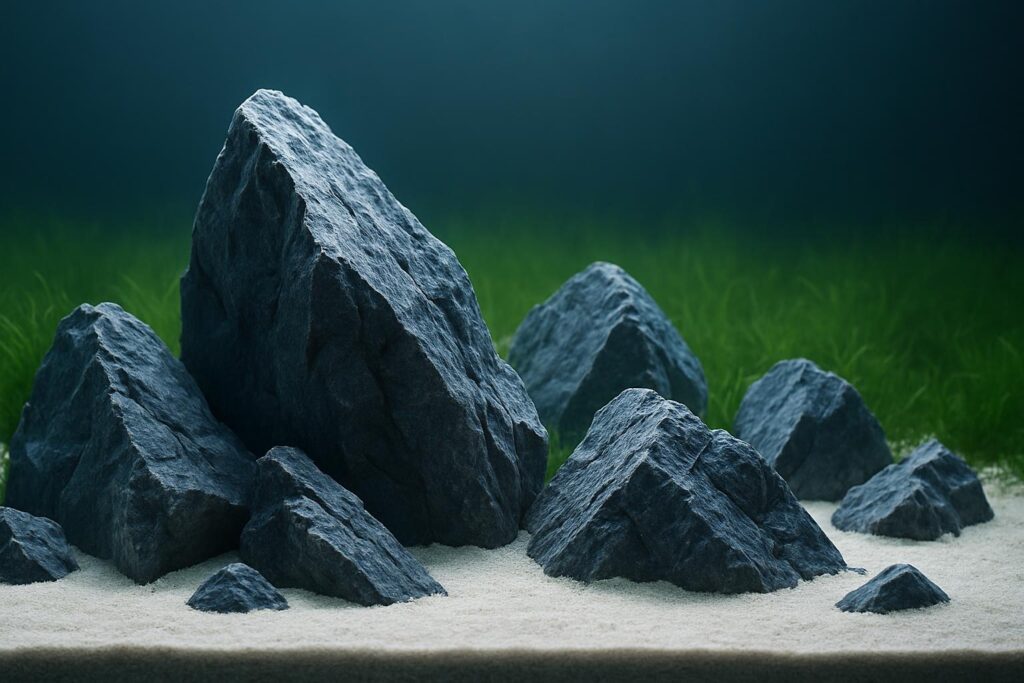
Seiryu stone is a natural limestone based rock with intricate grooves, fissures, and a subtle blue gray color. It stacks well, locks together, and holds detail at both nano and large scale. The fractured texture creates perspective and shadows that keep a layout interesting without heavy plant mass.
It is the standard choice for Iwagumi because it supports strong, angular lines and stable rock formations with minimal adhesive. Mixed sizes allow you to set a dominant main stone, two to three supporting stones, and scattered chips for scale.
How Seiryu Stone Affects Water Chemistry
Seiryu often contains calcite veins. This can raise KH and pH slowly over time. In most planted aquariums this is mild and manageable. If you keep soft water livestock such as Caridina shrimp, wild Bettas, or certain tetras, control the effect with pre soaks and frequent water changes during the first weeks. A simple vinegar fizz test will confirm carbonate content. Rinse well after testing.
For hard water fish and most plants, the buffering effect can be beneficial because it stabilizes pH and supports biological filtration. For sensitive soft water setups, use smaller total rock mass, increase plant biomass, and monitor KH weekly.
Selection Criteria For The Best Seiryu Stone In 2026
Authenticity and grading
Look for consistent blue gray tone with white calcite streaks and crisp fractures. Authentic Seiryu shows layered texture and visible micro pitting. Curated sets list weight, size range, and number of pieces.
Piece size mix and composition
Good kits include a dominant piece, two or three mediums, and many small fillers. This supports rule of thirds placement and natural transitions. For nanos, smaller curated pieces avoid oversized chunks you cannot use.
Surface detail and cohesion
Deeper grooves and strong ridges deliver better shadows and depth. Pieces that nest or interlock reduce adhesive use and improve long term stability.
Edge sharpness and prep effort
Seiryu can arrive with sharp edges. Safer kits reduce extreme shards, but always plan a quick edge check. File contact points that sit near glass or where fish graze.
Packaging and dust control
Dense stone creates dust during transit. Better packaging reduces breakage and saves rinsing time. Still, plan on multiple rinses in a bucket until water runs clear.
Value for tank size
Estimate 1 to 1.5 pounds of stone per gallon for rock focused layouts. Minimalist scapes may use less. Choose weight bundles that match your plan so you do not overbuy fillers you will not place.
The 5 Best Seiryu Stone For Aquascaping For 2026
1) LANDEN Seiryu Stone, Mixed Sizes, 10 lb
Landen’s 10 lb set hits the balance most hobbyists need for 10 to 20 gallon aquascapes. The color is clean blue gray, surface texture is crisp, and the mix usually includes one visual anchor with mids and chips for detail. The pieces stack securely and reward simple layouts that still look intentional.
Why it helps: You get a usable composition straight from the box. The size distribution and angular fracture pattern make it easy to place a main stone and two supports without hunting for matching shapes.
Best for: Iwagumi in 10 to 20 gallons, shallow tanks, and planted scapes with sand foregrounds where contrast matters.
Standout features: Consistent color tone, reliable interlocking faces, manageable rinsing. Edges are pronounced but not extreme, so prep time is short.
Potential downsides: In very soft water builds, expect a small KH and pH lift. Pre soak for a week with daily water changes if you keep soft water shrimp.
Pro tip: Dry fit on a towel, then mark footprint corners with painter’s tape inside the aquarium. Glue only contact points with cyanoacrylate gel for clean seams.
2) AquaNatural by Pisces Seiryu Rock, 17 lb Value Pack
This bundle targets 20 to 40 gallon displays with more rock mass and better variety. Pieces show deep crevices that catch light well and deliver a strong macro texture. The extra weight gives you freedom to tune height and negative space without running out of medium stones.
Why it helps: Greater piece count and range simplify complex scapes. It supports higher mounds and multi ridge layouts without visible repetition.
Best for: Medium tanks, dual mound landscapes, and builds that need a defined main stone plus several graduated supports.
Standout features: Pronounced fissures, bold ridges, and reliable blue gray tonality. Packaging protects edges, which limits unusable rubble.
Potential downsides: More mass means more initial dust. Plan thorough rinses. In planted tanks with low KH target, monitor weekly during the first month.
Pro tip: Use a third of the small chips to blend slopes. Hold the rest for detail fixes after planting to hide substrate edges and filter intake bases.
3) Lifegard Aquatics Seiryu Stone, 25 lb Assorted
This set suits ambitious layouts and larger aquariums. Expect at least one strong centerpiece sized rock with a family of mediums and many fillers. The stone locks well with minimal adhesive and resists shifting once embedded in substrate.
Why it helps: You can build height, depth, and a stable backbone for high flow tanks. The extra weight lets you tune the slope and still keep a clean line across the foreground.
Best for: 29 to 55 gallon scapes, high energy layouts with active flow, and aquascapers who want one purchase to cover the entire hardscape.
Standout features: Large anchor pieces, solid interlocking geometry, and consistent structural strength. Great for two island or ridge with valley layouts.
Potential downsides: Sharp edges are more common on bigger fractures. Do a careful edge audit where fish or shrimp graze. Expect more pre soak work to manage the early KH rise in very soft water systems.
Pro tip: Seat big pieces directly on tank glass before adding substrate for maximum stability. Fill substrate around and under the stones to lock them in place.
4) LANDEN Black Seiryu Stone, 10 lb
Black Seiryu gives a deeper, moodier tone with the same fractured detail. It pops against light sand and makes green plants look saturated without extra lighting. The 10 lb set works for nanos up to 20 gallons where contrast is the design driver.
Why it helps: Darker tone creates immediate visual separation from the substrate and lets you use fewer plants while the scape still reads as finished.
Best for: Minimalist Iwagumi, betta showcases, low tech tanks with light foregrounds, and anyone who wants higher contrast lines.
Standout features: Strong contrast, clean fractures, and a familiar Seiryu texture that matches standard Seiryu chips if you want a mixed palette.
Potential downsides: Chemistry behavior is similar to standard Seiryu. Pre soak before placing in very soft water tanks. Black tone can reveal dust, so rinse until water runs clear.
Pro tip: Use a very light sand or fine gravel to maximize tonal separation. Keep plant choices simple to let the rock do the visual work.
5) AquaNatural Dark Gray Seiryu, Nano Pack, 5 to 7 lb
For small tanks and deskside builds, a curated nano pack avoids oversized chunks and wasted budget. This set provides many smaller stones with real detail, so your scape does not look like a pile of pebbles. The pieces are cut from the same material line, so color stays consistent.
Why it helps: You get scale appropriate shapes that read as mountains and ridges even in 3 to 10 gallon tanks.
Best for: Nano Iwagumi, shrimp tanks, and simple high contrast layouts on a small footprint.
Standout features: Tight size range, good micro detail, and enough chips to blend transitions without looking cluttered.
Potential downsides: Not ideal for tanks over 10 to 15 gallons because you will lack a major anchor stone. The small mass can still influence KH in soft water, so monitor at startup.
Pro tip: Use fewer stones than you think. Leave negative space. A single dominant ridge with two smaller supports reads cleaner in nanos.
How Much Seiryu To Buy
For rock focused layouts, plan 1 to 1.5 pounds of Seiryu per gallon. For mixed wood and rock scapes, 0.5 to 1 pound per gallon works. Buy slightly more than your estimate to allow composition choices and to have spare chips for fine tuning after planting.
Preparation And Setup Checklist
Rinse and pre soak
Rinse stones until water runs mostly clear. Pre soak in a bucket for a week with daily water changes if you want to reduce early KH and pH lift. This also removes residual dust.
Edge check
Inspect all contact points near glass and areas where fish or shrimp might graze. File sharp points with a diamond file or sandpaper. Rinse again after filing.
Vinegar fizz test
Drip household vinegar on a hidden face. If it fizzes, the stone has carbonate content. This is normal for Seiryu. Rinse thoroughly after the test to remove any residue.
Dry fit and anchoring
Lay out the composition outside the tank first. Transfer to the tank and glue only the hidden contact points with cyanoacrylate gel. For very large builds, use epoxy putty at structural joints.
Substrate and leveling
Seat large stones directly on the glass before adding substrate. Backfill under overhangs with substrate to eliminate voids and increase stability.
Maintenance And Algae Control On Seiryu
Early algae can appear on new rock. Keep light consistent, maintain flow, and do regular water changes. Gently brush surfaces during maintenance. Add a sensible cleanup crew such as Amano shrimp and Nerite snails if compatible with your stock plan. Avoid overfeeding. Stable CO2 and nutrients reduce algae pressure in planted tanks.
Common Mistakes To Avoid
Using only big stones with no fillers
This creates harsh gaps and weak transitions. Always keep small chips to soften edges and hide substrate lines.
Placing stones on top of deep substrate
Heavy stones can shift and crack glass. Seat main stones on bare glass first, then add substrate.
Skipping pre soak in soft water systems
If you keep soft water fish or shrimp, manage the initial KH rise with a short pre soak and frequent early water changes.
Overcrowding the layout
Negative space is part of the design. Fewer well placed stones read stronger and are easier to plant around.
Conclusion
Seiryu stone rewards careful selection and simple, strong placement. For most beginners and intermediate aquascapers, a balanced kit with a clear size mix is the fastest route to a stable, clean scape. Landen and AquaNatural sets cover nanos to mid sized tanks with dependable detail and color, while Lifegard’s larger bundle equips bigger builds with a true anchor stone. Prepare the rock, test and monitor KH at startup, and keep the layout simple. The result is a long lasting aquascape with clear lines, strong contrast, and a professional finish.
FAQ
Q: Does Seiryu stone raise KH and pH
A: Seiryu often contains calcite veins that can raise KH and pH slowly over time. This is mild and manageable for most planted tanks, but in very soft water systems you should pre soak and monitor KH weekly.
Q: How much Seiryu stone do I need for my tank
A: Plan 1 to 1.5 pounds per gallon for rock focused layouts and 0.5 to 1 pound per gallon for mixed wood and rock scapes. Buy a little extra for composition flexibility and chips.
Q: How should I prepare Seiryu stone before placing it in the aquarium
A: Rinse until water runs clear, pre soak for about a week with daily water changes if you want to reduce initial KH rise, perform a vinegar fizz test if desired, and file any sharp edges before final placement.
Q: How do I prevent algae on Seiryu stone
A: Keep lighting consistent, maintain flow, do regular water changes, and gently brush surfaces during maintenance. A sensible cleanup crew like Amano shrimp and Nerite snails can help if compatible with your stock plan.
Q: How do I keep heavy Seiryu structures stable
A: Seat large stones on bare glass before adding substrate, glue hidden contact points with cyanoacrylate gel, and use epoxy putty for very large builds. Backfill under overhangs with substrate to eliminate voids.