
We are reader supported. When you purchase through links on our site, we may earn an affiliate commission. Also, as an Amazon affiliate, we earn from qualifying purchases.
Spider wood turns a plain aquarium into a living rootscape. It creates height, shelter, and texture without adding clutter. It also gives plants and mosses an instant foothold. If you want natural flow and branching lines in your aquascape, spider wood delivers. Below is a clear guide to choosing, preparing, and maintaining spider wood, followed by the 5 best spider wood picks for 2026 based on shape, consistency, and value.
What Spider Wood Is And Why Aquarists Use It
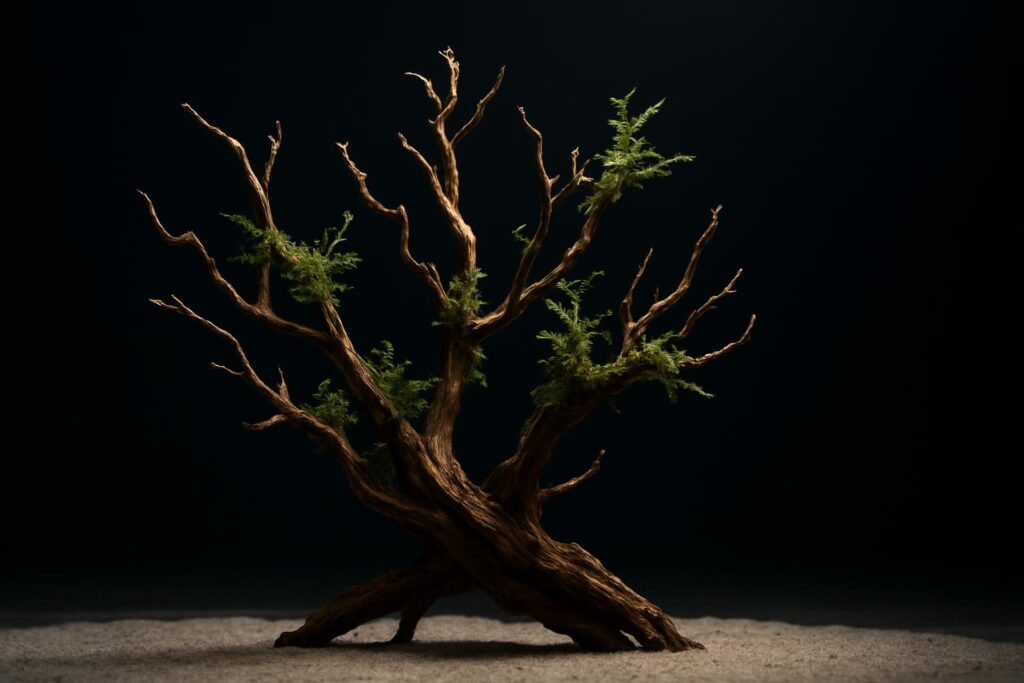
Spider wood is the dried root of azalea or rhododendron prepared for aquariums. Branching arms reach into open water while thicker bases anchor into the substrate. This creates a light, airy structure that feels natural in both planted and hardscape-forward tanks.
Why it helps: Adds vertical interest, natural hideouts, and surfaces for biofilm and algae. Provides attachment points for moss, Anubias, Bucephalandra, and ferns. It also encourages more natural behavior in fish and shrimp.
Safe when prepared: Rinse and soak spider wood before use. A quick simmer helps, then soak until it sinks fully. Spider wood releases mild tannins at first, so you may see a light tea tint that fades with water changes.
How We Chose The Best Spider Wood For 2026
We focused on pieces and brands that regularly deliver strong branching and clean, ready‑to‑use wood. The goal is to reduce guesswork and increase scaping success.
Selection criteria
Consistent natural branching with minimal heavy trunks. Good sizing options for nano to large displays. Cleanliness out of the box with limited bark or soft rot. Predictable sinking and manageable tannins. Reliable packaging and piece protection during shipping. Real value per volume with reasonable pricing.
Prep And Safety Before You Add Spider Wood
Do not drop dry wood straight into the aquarium. Preparation reduces buoyancy, tannins, and mess.
Rinse: Rinse under warm water and scrub with a new stiff brush to remove dust and loose bits.
Simmer: You do not have to, but a 15 to 30 minute simmer helps remove surface debris and speeds up sinking. Large or thick pieces can be rotated in a pot. Avoid long boiling that can soften thin tips.
Soak: Most pieces need 1 to 3 weeks of soaking to fully waterlog and sink. Change soak water every few days to reduce early tannins.
Anchor: If a piece still floats, weigh it down with rocks, use plant weights, or pin lower branches into the substrate until it settles.
Biofilm: Expect a white fuzz in the first weeks. It is harmless biofilm that appears in the first weeks and usually disappears on its own or gets eaten by shrimp and snails.
The 5 Best Spider Wood For Aquariums In 2026
1) Pisces Spiderwood Natural Aquarium Driftwood
Pisces is known for curated, sandblasted spider wood with elegant branching. Pieces across sizes tend to carry a tree‑like spread without thick blocky bases. Quality control is strong, so you get less bark and less soft tissue that would otherwise slough off.
Why it helps: Clean, consistent branching makes layout planning easier. The light, airy structure creates instant depth. Most pieces accept moss and epiphytes with only a few tie points.
Best for: Planted aquascapes from 10 to 75 gallons. Nature style layouts where you want a focal tree or a root network over stones.
Potential downsides: Premium price compared to budget packs. Natural variation means the exact silhouette can still differ from photos. Larger sizes may still need 1 to 2 weeks of soaking.
Setup tips: Dry fit over your hardscape first. Mark tie points with small elastic bands, then attach moss or Buce with cotton thread or fine line. Use a flat rock under the base if your substrate is very soft.
2) NilocG Aquatics Spider Wood Large Branching Piece
NilocG Aquatics sources aquascaper‑grade pieces with strong reach and natural flow. Large and extra‑large sizes are common, which solves the usual problem of finding a single anchor piece for a mid to large display. The wood tends to be well cleaned with minimal soft tissue.
Why it helps: You can build a full focal point with one piece. Long arms make it easy to form a canopy with moss, creating instant height and shadow.
Best for: 20 to 90 gallon tanks, especially if you want a single‑root showpiece. Works well in rock‑and‑wood compositions where the wood bridges two stone mounds.
Potential downsides: Stock can be limited. Pricing reflects size and curation. Very long branches may need trimming or a gentle heat‑bend to fine‑tune the line of flow.
Setup tips: Soak thoroughly and pre‑trim tips that might touch glass. If you plan a moss tree, pre‑wrap thin mesh over select branches, then tie moss onto the mesh for even growth.
3) Emours Natural Spider Wood For Aquariums
Emours offers reliable budget options and multi‑piece packs. Shapes vary more than premium brands, but you often get good value per pound. Packs make it easy to stack smaller roots into one flowing structure or to furnish multiple nanos.
Why it helps: Strong value for testing layouts or practicing scapes. Multiple smaller pieces let you create natural clusters and layered root tangles.
Best for: Nano to mid tanks, shrimp tanks, and budget builds where you still want a natural, branching look. Great for learners who want to practice composition.
Potential downsides: More variation in cleanliness and thickness. Some pieces leach more tannins and take longer to sink. You may need extra scrubbing and a longer soak.
Setup tips: Use rock supports to fuse smaller branches into one unit. Consider super‑glue gel plus cotton thread to hold junctions, then hide joins with moss or small ferns.
4) Hamiledyi Aquarium Spider Wood Root Packs
Hamiledyi sells compact spider wood pieces that suit nano tanks and terrariums. The thin, branching tips create fine texture that reads well in smaller volumes. Packs usually contain several pieces, which helps with symmetry or island layouts.
Why it helps: Thin fingers look proportional in small tanks and paludariums. Easy to place and re‑place during scape experiments.
Best for: 3 to 20 gallon aquariums, shrimp and nano fish. Terrariums and paludariums that need delicate root detail.
Potential downsides: Thin branches can be delicate if you force them. Smaller pieces float longer and may need plant weights during the first weeks.
Setup tips: Cluster three pieces to create a mini grove. Tie small Anubias nana petite or Buce at the branch forks. Use a shallow substrate berm to hide bases and give a rooted look.
5) AQUA KT Spider Wood Assorted Branches Set
AQUA KT offers assorted sets that are popular with scapers who like to kitbash multiple roots into one large feature. The range of sizes in a set lets you create foreground to background continuity with repeated shapes.
Why it helps: Flexible for layered layouts. Repeating similar branch angles creates a cohesive scene from left to right.
Best for: Mid to large tanks where you want multiple root clusters or a forest layout. Good for creators who enjoy shaping and joining pieces.
Potential downsides: Variation means not every piece will be a hero. Expect to spend time trimming, testing angles, and soaking longer chunks.
Setup tips: Lay out pieces on a towel in front of the tank to audition angles. Build two clusters that mirror each other loosely, then bridge them with a thinner piece to carry flow across the scape.
How To Choose The Right Piece For Your Tank
Match scale to tank size
For nanos under 10 gallons, choose short bases with thin tips. For 20 to 40 gallons, pick medium trunks with arms that reach the upper third. For 55 gallons and up, look for a single strong focal piece or plan a cluster of three medium roots.
Plan your layout from day one
Decide on a triangle, S‑curve, island, or canyon flow. Place wood before substrate leveling is final. This saves rework and lets you bury bases cleanly.
Think plant pairing
Moss and small epiphytes excel on thin fingers. Anubias and ferns sit on thicker forks. Choose wood with those features if you already have plant stock in mind.
Check branch density
Dense branching fills space fast but can look busy. Open branching feels airy and highlights fish movement. Pick the density that matches your stocking and viewing distance.
Sinking, Tannins, And The First Weeks
Make it sink without stress
Soak in a tote or bucket with dechlorinated water. Place a rock on top if needed. Most pieces need 1 to 3 weeks of soaking to fully waterlog and sink.
Manage early tannins
Spider wood releases mild tannins at first, so you may see a light tea tint that fades with water changes. If you want crystal clarity fast, add fresh activated carbon or do two or three small changes in the first two weeks.
Biofilm is normal
It is harmless biofilm that appears in the first weeks and usually disappears on its own or gets eaten by shrimp and snails. You can gently brush it off during maintenance if it bothers you.
Long‑Term Care
Routine cleaning
During weekly changes, turkey baste detritus off the root forks. Use a soft toothbrush to spot clean stubborn spots without stripping patina.
Plant management
Trim moss lightly and often to avoid smothering lower branches. Re‑tie loose tufts with cotton thread that will safely degrade after plants root in.
Stability and livestock
Once waterlogged, spider wood stays put. For digging fish, wedge a flat stone under the base before final burial. Shrimp, otos, and plecos enjoy the biofilm layer as a natural graze site.
Common Mistakes To Avoid
Skipping the soak
Unsoaked wood floats and can stress fish if it shifts. Always soak and test sink before final scaping.
Overboiling thin branches
Extended boiling can soften delicate tips and cause breakage. Favor a short simmer plus a patient soak.
Packing too much wood
Give fish open water to swim. Use one strong focal or two balanced clusters instead of filling every inch.
Which Spider Wood Should You Pick
If you want maximum consistency and minimal cleanup, choose Pisces. For a single showpiece in a larger tank, pick NilocG Aquatics. If you want value and flexibility, go with Emours or AQUA KT sets. For nanos and delicate layouts, choose Hamiledyi. All five options can deliver a strong, stable scape when you prep them well.
Conclusion
Spider wood adds life and motion to aquascapes with clean lines and natural shelter. Choose a piece that matches your tank scale and your planting plan. Rinse, simmer briefly, and soak until it sinks. Expect mild tannins and harmless biofilm at first. Set the root, plant it, and let the layout mature. With the five picks above and the prep steps you just read, your 2026 aquascape will grow in clean and steady.
FAQ
Q: Is spider wood safe for aquariums
A: Spider wood is the root of azalea or rhododendron prepared for aquariums. It is safe for fish and shrimp when you rinse and soak it before use.
Q: How long does spider wood take to sink
A: Most pieces need 1 to 3 weeks of soaking to fully waterlog and sink.
Q: Will spider wood turn my water brown
A: Spider wood releases mild tannins at first, so you may see a light tea tint that fades with water changes.
Q: What is the white fuzz on new spider wood
A: It is harmless biofilm that appears in the first weeks and usually disappears on its own or gets eaten by shrimp and snails.
Q: Do I need to boil spider wood
A: You do not have to, but a 15 to 30 minute simmer helps remove surface debris and speeds up sinking.