
We are reader supported. When you purchase through links on our site, we may earn an affiliate commission. Also, as an Amazon affiliate, we earn from qualifying purchases.
Breeding bettas can be simple when the nest site is predictable, stable, and easy to clean. A breeding cone gives your male a defined place to build a bubble nest, keeps eggs off the substrate, and helps you manage water depth and current during spawning. If you are aiming for consistent results in 2026, choosing the right cone or cone-style nest platform matters. Below is a clear buyer’s guide, followed by five reliable picks that work in shallow breeding setups and small tanks.
What a breeding cone does for bettas
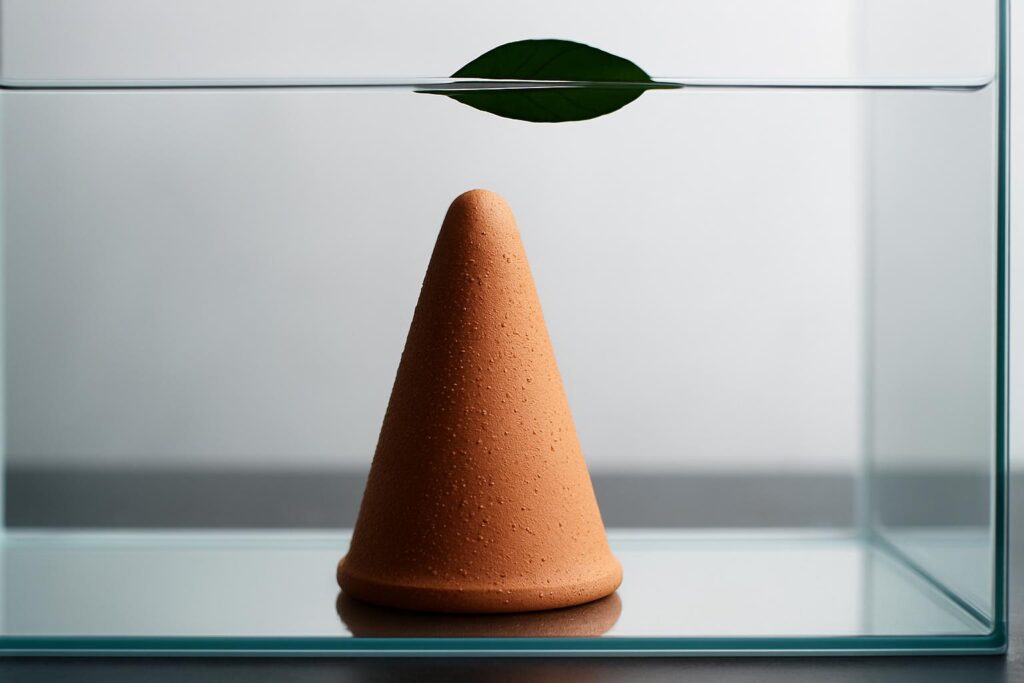
Bettas are bubble nesters, so your main goal is to give the male a calm surface and a nearby vertical surface where he feels secure. A cone creates a fixed reference point. It helps you place a floating leaf or cover in the best spot, reduces wandering during courtship, and gives fry some cover immediately after hatching. Compared with random decor, a cone is easy to sanitize between spawns and reduces variables that lead to failed nests.
How to choose the right cone
Size and height
For bettas, you want a stable base and a height that works in 4 to 8 inches of water. A 6 to 8 inch total height is practical. Wider bases resist tipping during wraps and chases.
Material and finish
Unglazed ceramic or terracotta with a fine texture holds microbubbles well and is simple to scrub. Avoid sharp seams. Rinse thoroughly and pre-soak to release dust before use.
Stability and footprint
A broad, weighted base prevents sliding when the pair is active. Check that the footprint leaves swimming room in small breeding tanks.
Ease of cleaning
Simple shapes without grooves clean faster and minimize biofilm and fungus. Cones that dry quickly between spawns reduce pathogen carryover.
The 5 best betta breeding cones for 2026
1) QANVEE Ceramic Spawning Cone
This cone is a trusted pick for its dense ceramic, smooth finish, and steady weight. In shallow betta setups, it sits solidly even with energetic pairs. The surface texture is fine enough to hold bubbles along the upper third, which helps males maintain a compact nest. Pair it with a floating almond leaf or a trimmed foam cup positioned at the waterline above the cone tip.
Why it helps: Stable base and micro-textured ceramic keep nests intact and simplify egg guarding in low water.
Best for: First-time breeders who want predictable placement and easy cleanup between spawns.
Highlights: Reliable weight, smooth edges, consistent height for 5 to 8 inch water columns.
Potential downsides: The dense ceramic takes longer to dry; allow full air-dry time to reduce pathogens.
2) AQUANEAT Terracotta Spawning Cone
Terracotta breathes slightly and dries faster than dense ceramic, which many breeders like for turnaround between attempts. The gentle cone angle creates a clean staging area for wraps. Its neutral color helps you spot eggs at a glance, and the surface holds a light nest well under a leaf or breeding ring.
Why it helps: Porous terracotta sheds water after rinsing, which supports fast resets between breeding rounds.
Best for: Breeders rotating multiple pairs who need a cone that cleans and dries quickly.
Highlights: Light weight, easy to scrub, straightforward shape for compact tanks.
Potential downsides: Slightly lighter mass than dense ceramic; place on a level surface to avoid sliding in bare-bottom tanks.
3) JARDIN Ceramic Spawning Cone
JARDIN’s cone is tall enough for flexible placement in 6 to 10 inch water levels, yet narrow enough to fit in small 5 to 10 gallon breeding tanks. The finish is smooth without rough seams, and the base has a modest flare for extra stability. Males tend to circle and stage along the midline where bubbles cling easily.
Why it helps: A balanced height-to-footprint ratio that suits compact tanks without crowding the pair.
Best for: Breeders who need a slimmer cone that still resists tipping.
Highlights: Clean edges, narrow silhouette, nest-friendly texture near the tip.
Potential downsides: The narrow profile can shift if water flow is strong; keep the sponge filter output gentle.
4) Aqua KT Spawning Cone
This model focuses on a broad, heavy base and a slightly steeper cone angle. The weight gives it a planted feel on bare glass, and the steeper angle helps shed stray bubbles so the male keeps the nest tight near the top. It pairs well with Indian almond leaves clipped at the waterline to create a calm ceiling over the cone.
Why it helps: Extra mass and base width reduce movement during wraps and quick turns.
Best for: Active pairs and keepers who run minimal decor in bare-bottom tanks.
Highlights: Weighted stability, steep angle for compact nesting, easy rinsing under tap water.
Potential downsides: The bigger footprint can feel large in nano tanks under 5 gallons; measure your space first.
5) SunGrow Spawning Cone, Unglazed
SunGrow’s unglazed cone has a fine matte surface that grips microbubbles and offers clear egg visibility. The neutral clay color makes it easier to monitor fungus and remove unfertilized eggs quickly. The overall height is friendly for shallow setups, and the cone is simple to disinfect with a mild bleach solution and a thorough dechlorinated rinse.
Why it helps: Unglazed finish supports bubble adhesion and quick visual checks during guarding.
Best for: Breeders who prioritize visual monitoring and frequent maintenance.
Highlights: Matte texture, clear egg contrast, simple shape that fits most breeder tanks.
Potential downsides: Lighter weight than dense ceramic; position it away from filter microcurrents.
Quick setup tips for better spawn success
Positioning and water level
Run 4 to 8 inches of water. Place the cone where surface movement is minimal. Add a floating cover above the cone tip such as a trimmed foam cup rim or an Indian almond leaf clipped to the glass so the male has a calm ceiling for bubbles.
Filtration and current control
Use a sponge filter with gentle airflow. Point bubbles away from the cone, or temporarily reduce air during nest building. Keep temperatures stable at 78 to 82°F.
Pre-soak and sanitize
Rinse and soak new cones to remove dust. Between spawns, clean with hot water and a diluted bleach solution if needed, then neutralize with dechlorinator and air-dry completely.
Why these cones stand out in 2026
All five picks offer a stable footprint, nest-friendly texture, and dimensions that fit shallow betta breeding water levels. They are uncomplicated to clean and durable over repeated cycles. You can pair any of them with leaf litter or a small floating platform to give the male a predictable ceiling, then keep your lighting dim and your current low for consistent results.
Conclusion
Breeding cones are not magic, but they remove guesswork. A stable cone anchors the nest, simplifies observation, and streamlines cleaning between attempts. Choose the size and texture that fit your tank and your maintenance style. Focus on calm surface water and a clear overhead cover. With these fundamentals, your male has what he needs to build and guard a reliable nest.
FAQ
Q: Do bettas need a breeding cone to spawn?
A: Bettas do not strictly need a cone, but a stable cone standardizes nest placement, reduces variables, and simplifies cleaning between spawns.
Q: What water level works best with these cones?
A: Run 4 to 8 inches of water so the cone sits under a calm ceiling created by a floating leaf or trimmed cup rim.
Q: Which cone is best for small tanks?
A: JARDIN Ceramic Spawning Cone has a slimmer profile that fits compact 5 to 10 gallon breeding tanks.
Q: How do I keep the nest from breaking apart?
A: Keep surface movement minimal, use a sponge filter with gentle airflow, and place a floating cover directly above the cone tip.
Q: What material cleans and dries fastest?
A: Unglazed terracotta dries faster than dense ceramic and supports faster resets between breeding rounds.