
We are reader supported. When you purchase through links on our site, we may earn an affiliate commission. Also, as an Amazon affiliate, we earn from qualifying purchases.
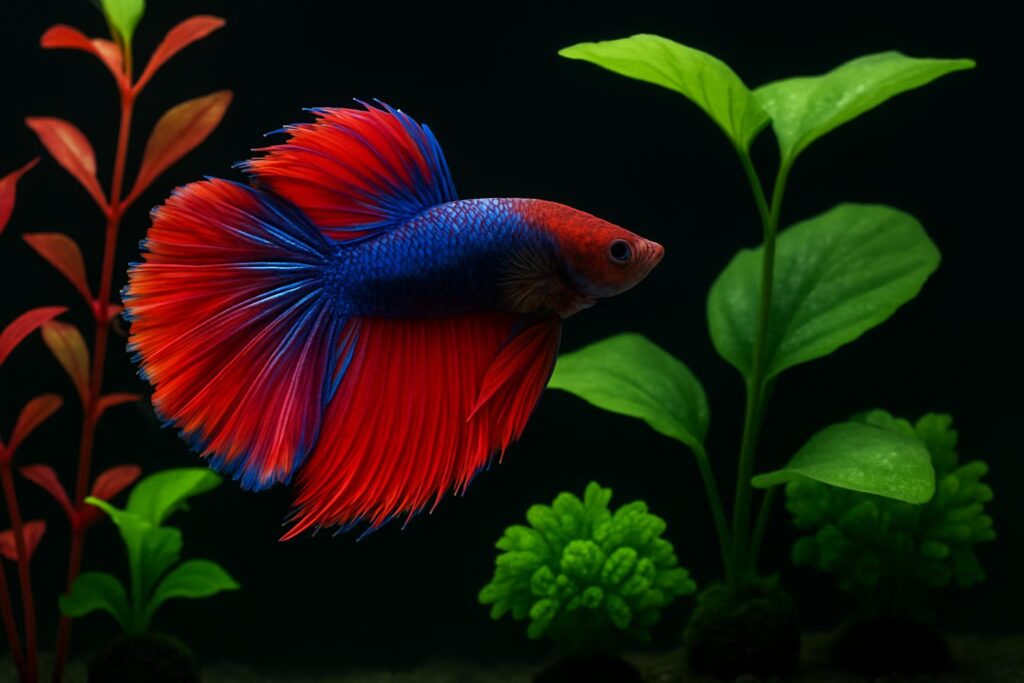
Silk plants are one of the simplest upgrades you can make for a betta in 2026. They soften the scape, protect delicate fins, and add needed cover without the risks of sharp plastic. If you are setting up a new nano tank or refreshing an older betta habitat, the five picks below are reliable, easy to maintain, and beginner friendly.
How we picked these betta silk plants
Selection focused on soft textures, realistic movement, compact sizing for nano tanks, sturdy bases or anchors, and proven durability. Each pick is commonly available in the US, works in 2.5–10 gallon betta tanks, and balances hiding space with open swim areas.
Quick tips before you choose
Match size to tank: In a 5–10 gallon, a mix of 3–6 inch silk plants builds cover without crowding. In 2.5–3 gallons, stick to low and mid-height options.
Check the edges: Run the plant across a soft tissue. If it snags, skip it or gently trim loose fibers.
Stability matters: Weighted bases reduce floating and topple. Leaf hammocks need a solid suction cup and calm surface flow.
Maintenance: Rinse before first use. During water changes, swish in removed tank water and brush off algae softly. Replace when frayed or when the base shows bare wire or rough points.
5 Best Betta Silk Plants for 2026
1) Marina Betta Silk Plant, Red Ludwigia
This small silk plant adds a gentle pop of red without overwhelming a nano tank. The leaves are soft and flexible, so fins glide past without snags. It tucks neatly into corners and is ideal for creating low and mid-level cover where bettas like to pause and observe.
Why it helps: Soft silk leaves reduce the risk of fin tears while giving your betta a sense of security.
Best for: 2.5–5 gallon tanks that need a modest splash of color and a safe resting area.
Placement tip: Position mid-depth near hardscape to break line of sight and lower stress.
Potential downsides: Smaller footprint means you may want two units for a 10-gallon layout.
2) Zoo Med Betta Plant, Anubias Silk
Modeled after the broad, sturdy leaves bettas naturally favor, this silk Anubias provides reliable perches. The leaves flex slightly in flow, mimicking live plant movement without the maintenance demands of live Anubias.
Why it helps: Broad leaves create stable hangouts where bettas can rest near the mid to upper column.
Best for: Bettas with long fins that need gentle support and low turbulence spots.
Placement tip: Place near the filter return’s calmer zone and under the surface for easy bubble gulping.
Potential downsides: Broad leaves can trap debris. A quick swish during water changes keeps it clean.
3) Penn-Plax Betta Leaf Hammock, Soft Silk Leaf
This single silk leaf mounts near the surface to create a betta lounge. It is a proven favorite for reducing fatigue and helping bettas rest between swims. The leaf is soft to the touch, which protects delicate, flowing fins.
Why it helps: Bettas often rest just below the surface. A stable silk leaf hammock supports natural behavior with minimal space taken.
Best for: Any betta tank, but especially shallow setups where surface access is frequent.
Placement tip: Mount 1–2 inches below the surface, away from direct filter output. Adjust angle to your fish’s preference.
Potential downsides: Suction cups loosen over time on algae film. Wipe the glass before mounting and re-seat when needed.
4) Penn-Plax Aquas-Scape Green Silk Aquarium Plant, Small
A classic silk plant with a stable, weighted base that stays put during water changes. The thin, soft leaves provide excellent flow-through and minimal debris buildup, which helps maintain clean water and clear sightlines for your fish.
Why it helps: Adds lush cover without hard plastic edges and offers multiple micro-shelters as your betta explores.
Best for: 5–10 gallon tanks that need a main mid-ground feature to anchor the scape.
Placement tip: Center or mid-ground placement pairs well with a couple of low accent plants for depth.
Potential downsides: The weighted base can show if gravel is too shallow. Add a thin layer to hide it.
5) biOrb Silk Plant Set, Small, Green
Although designed with biOrb tanks in mind, this small silk set works in most nano layouts. The soft leaves and compact bases make it easy to layer multiple clusters without clutter. Realistic color and texture encourage natural foraging and resting behaviors.
Why it helps: Multiple small tufts let you shape safe cover zones and open swim lanes precisely.
Best for: Aquascapers who prefer modular layouts and want low-profile greenery that looks natural.
Placement tip: Stagger heights from front to back to create depth and break sightlines.
Potential downsides: Smaller pieces may need two or three units to fill a 10-gallon effectively.
How to arrange silk plants for a happier betta
Build layers: Combine low, mid, and surface-level spots. A mid-ground silk cluster plus one broad-leaf perch near the surface covers most needs.
Leave open water: Maintain a clear lane along the front glass and one vertical updraft area for effortless surfacing.
Target rest zones: Bettas like calm, shaded areas near the surface. Place one broad silk leaf close to the top on the opposite side of the filter.
Aim for 3–5 plants in a 5–10 gallon: Mix one or two broad-leaf pieces with slimmer stems for both cover and visibility.
Care and longevity
Initial rinse: Rinse under dechlorinated water before placing in the tank.
Routine cleaning: During water changes, swish plants in removed tank water. Use a soft brush or clean sponge to lift algae. Avoid hot water that can loosen glue points.
Inspect often: If edges fray or the base exposes rough material, retire the plant to protect fins.
Conclusion
Silk plants give bettas what they need most: safe cover, easy perches, and stress reduction. The five options above are reliable picks for 2026. Choose one broad-leaf rest spot, add a couple of mid-height clusters, and keep an open swim lane. With consistent rinsing and periodic inspection, silk plants will serve your betta well for months.
FAQ
Q: Are silk plants safe for betta fins
A: Yes. Soft silk leaves reduce the risk of fin tears compared to hard plastic, as long as you inspect for fraying and retire worn pieces.
Q: How do I clean silk aquarium plants
A: During water changes, swish them in removed tank water and use a soft brush to lift algae. Avoid hot water that can loosen glue points.
Q: How many silk plants should I use in a betta tank
A: Aim for 3–5 in a 5–10 gallon, mixing one or two broad-leaf pieces with slimmer stems, and keep an open swim lane.
Q: Where should I place a betta leaf hammock
A: Mount it 1–2 inches below the surface, away from direct filter output, and adjust the angle until your betta uses it comfortably.
Q: When should I replace a silk plant
A: Replace when edges fray or the base exposes rough material, to protect delicate fins.