
We are reader supported. When you purchase through links on our site, we may earn an affiliate commission. Also, as an Amazon affiliate, we earn from qualifying purchases.
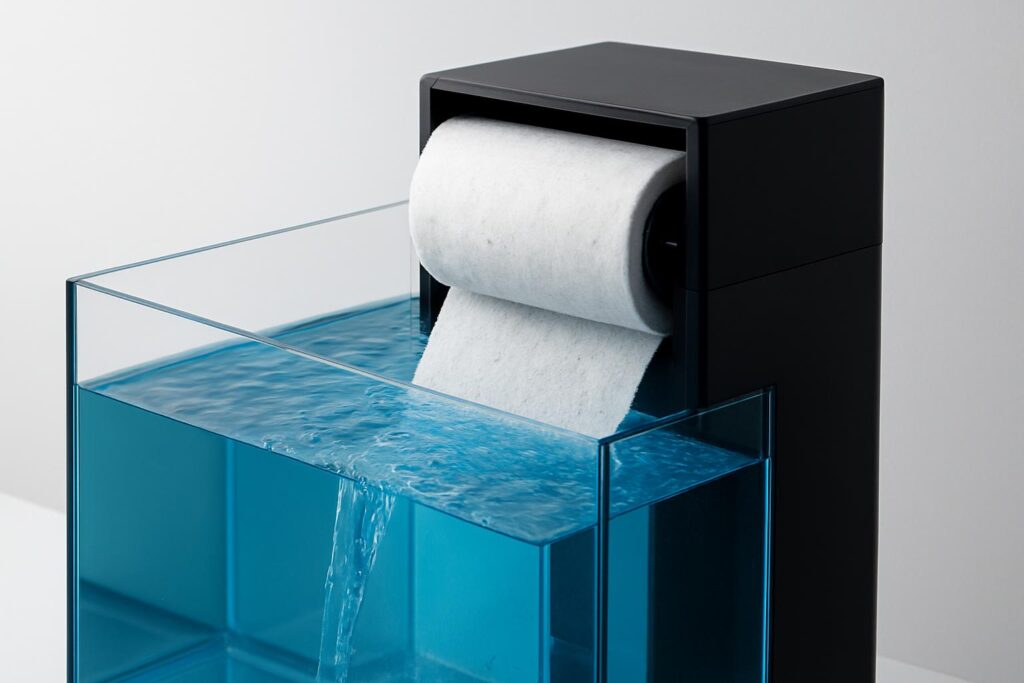
Roller filters have reshaped how reef keepers manage water clarity and nutrients. Instead of rinsing filter socks every few days, a motorized fleece roll traps detritus and advances automatically. The result is stable export, fewer swings in nitrate and phosphate, and consistently clear water. If your sump has the space, upgrading to a roller filter reduces maintenance and keeps the system cleaner between water changes. Below are the five best reef tank roller filters for 2026 and how to choose the right one for your setup.
How to Choose a Roller Filter for Your Reef
Flow capacity and headroom
Match the roller filter to your return pump’s actual sump turnover and leave a margin for growth. Oversizing slightly reduces how fast the fleece advances. Also confirm vertical clearance for roll swaps and lid removal.
Footprint and sump chamber fit
Measure the mechanical filtration chamber width, waterline range, and baffle placements. A good fit keeps the fleece path submerged and reduces bypass, microbubbles, and noise.
Roll cost and replacement cadence
Higher capacity models trap more and may consume fleece faster on dirty systems. Consider roll prices, availability, and how easy it is to thread and swap the fleece.
Automation and control
App control, jam alerts, and usage tracking reduce guesswork. Simpler float-switch designs are easier to service and cheaper to run but lack analytics.
The 5 Best Reef Tank Roller Filters for 2026
1) Red Sea ReefMat 500
Why it stands out
The ReefMat 500 brings strong automation in a compact footprint. It integrates cleanly in many modern sumps and uses a sealed fleece path to minimize bypass. The controller monitors movement and alerts if the fleece jams.
Why it helps
Consistent, automated particulate removal steadies nutrient export. That stability supports better coral color and reduces detritus pockets that fuel algae.
Best for
Small to mid-size reef tanks with moderate bioloads that benefit from app-based automation and predictable maintenance.
Setup notes
Give the unit a straight shot from your drain for best efficiency, keep the inlet submerged, and calibrate advance intervals in the app after the first week. Plan clearance for quick cassette swaps.
Potential downsides
Requires power and Wi‑Fi for full functionality. Roll cost is higher than generic fleece, and the unit can feel tight in very narrow sumps.
Real-world tip
Use feed or maintenance pause to slow advance during targeted coral feeding so you do not strip broadcast foods immediately.
2) Red Sea ReefMat 1200
Why it stands out
All the strengths of the 500, scaled for higher flow. The larger roll and drive handle heavy detritus loads on bigger systems while preserving the sealed path and app features.
Why it helps
It maintains clarity and export on high-demand tanks without manual intervention. On large reefs, staying ahead of detritus prevents nutrient spikes between water changes.
Best for
Large, heavily stocked tanks or systems with multiple drains that need robust throughput and analytics to predict roll usage.
Setup notes
Plan plumbing carefully. If using multiple drains, combine them upstream to spread flow evenly into the roller. Confirm stand height for easy roll changes.
Potential downsides
The bigger unit needs more sump real estate and vertical room. High-detritus tanks can consume fleece quickly until the system stabilizes.
Real-world tip
Track days per roll in the app during the first month. Use that baseline to schedule proactive swaps so you never run out mid-trip.
3) Bubble Magus ARF-1 Automatic Roll Filter
Why it stands out
A reliable float-switch design with straightforward mechanics and minimal electronics. Installation is flexible, and the unit is quiet once water height is set.
Why it helps
Simplicity keeps it dependable and budget friendly while still offloading daily sock maintenance. Advance happens only when the float lifts, saving fleece.
Best for
Budget-conscious reefers or compact sumps where a simpler footprint eases mounting and service.
Setup notes
Keep a stable waterline so the float reads accurately. Route the drain directly into the roller chamber and secure the bracket firmly. Threading the first roll is easier with dry hands and good lighting.
Potential downsides
No app, no usage analytics, and the float can foul if detritus builds up. Manual threading can be fiddly until you learn the path.
Real-world tip
Wipe the float and guides during every sump cleaning. This prevents false triggers and keeps fleece advancement consistent.
4) Clarisea SK-5000 Gen 3
Why it stands out
Known for strong throughput and clear water, the Gen 3 refines spool geometry and drive reliability. It is a favorite for high-bioload systems that push a lot of water.
Why it helps
High capacity plus efficient fleece contact removes particulates before they break down. This reduces organics, keeps the skimmer working on dissolved waste, and brightens the display.
Best for
Medium to large reefs, SPS-dominant tanks, and systems with heavy feeding where a robust roller pays dividends.
Setup notes
Allow vertical clearance for the spent roll and lid. Expect some microbubbles during the first days; they usually dissipate as biofilm coats the fleece path. Tune advance to the lowest setting that maintains clarity.
Potential downsides
The large roll takes space and can consume fleece faster on very dirty systems. If ran too aggressively, it may strip broadcast foods quickly during feeding.
Real-world tip
During coral feeding, slow return flow or pause the roller advance. This keeps food in suspension longer without sacrificing filtration the rest of the day.
5) IceCap PRO Series Filter Roller 12 in
Why it stands out
A value-forward roller with solid build quality and serviceable design. It offers flexible mounting and straightforward access to the roll for quick swaps.
Why it helps
Delivers dependable mechanical filtration at a competitive price point, making it easier to step up from socks without overcomplicating the sump.
Best for
Mid-size tanks needing a capable yet affordable roller that fits typical sump chambers without major modifications.
Setup notes
Dry-fit the bracket and confirm the drain angle to prevent splashing. Use soft plumbing to reduce resonance and keep the inlet submerged to minimize bubbles.
Potential downsides
If misaligned, the roll can track unevenly and cause light gear noise. Replacement roll choice and availability can vary, so keep a spare on hand.
Real-world tip
After installation, mark the waterline. Recheck after a week and adjust the inlet height if the roll is advancing more than expected.
Dialing in Your Roller Filter
Get the flow right
Size to your real return flow after head loss. Aim for a model that operates in the midrange of its capacity. Too much flow overwhelms the fleece and triggers constant advancement; too little can bypass edges.
Manage nutrients without overstripping
Roller filters remove fine particulates before they decay. That lowers organic load and softens algae pressure. If you dose plankton or broadcast coral foods, use feed or maintenance pauses so the system can benefit before the fleece collects it.
Expect a short break-in
Fresh fleece is very clean and can produce a bit of microbubbles or light gear noise. As a thin biofilm forms, noise and bubbles typically subside. Recheck advance settings during week one.
Service cadence to reduce surprises
Roll consumption depends on bioload, feeding, and flow. Track days per roll during the first cycle. Many tanks land in a range of several weeks per roll, but high-load systems will use them faster. Keeping one spare roll prevents downtime.
Conclusion
Roller filters keep reef tanks cleaner with far less daily effort. The Red Sea ReefMat 500 and 1200 bring top-tier automation and sealed performance. Bubble Magus ARF-1 delivers reliable simplicity at a friendly price. Clarisea SK-5000 Gen 3 is a workhorse for high-demand systems. IceCap PRO Series 12 in offers a practical balance of capability and cost. Pick the unit that fits your sump, matches your true flow, and aligns with how much control and data you want. Set it up once, tune advancement during week one, and enjoy consistently clear water with fewer chores.
FAQ
Q: What makes roller filters better than filter socks for reef tanks?
A: They automate particulate removal, stabilize nutrient export, and keep water clearer with less frequent maintenance than socks.
Q: How do I size a roller filter for my reef tank?
A: Match it to your real return flow after head loss, leave a margin for growth, and confirm footprint and vertical clearance in the sump.
Q: Are roller filters noisy?
A: Most are quiet once the inlet is submerged and the unit is tuned, though a short break-in can include light gear noise or microbubbles.
Q: How often do I need to change the fleece roll?
A: It depends on bioload, feeding, and flow; track your first cycle and keep a spare on hand to avoid downtime.
Q: Will a roller filter strip too much food from the water?
A: It can remove broadcast foods quickly, so use feed or maintenance pause to let corals capture food before the fleece advances.