Set Up

How can I ensure my community tank is peaceful | Guide

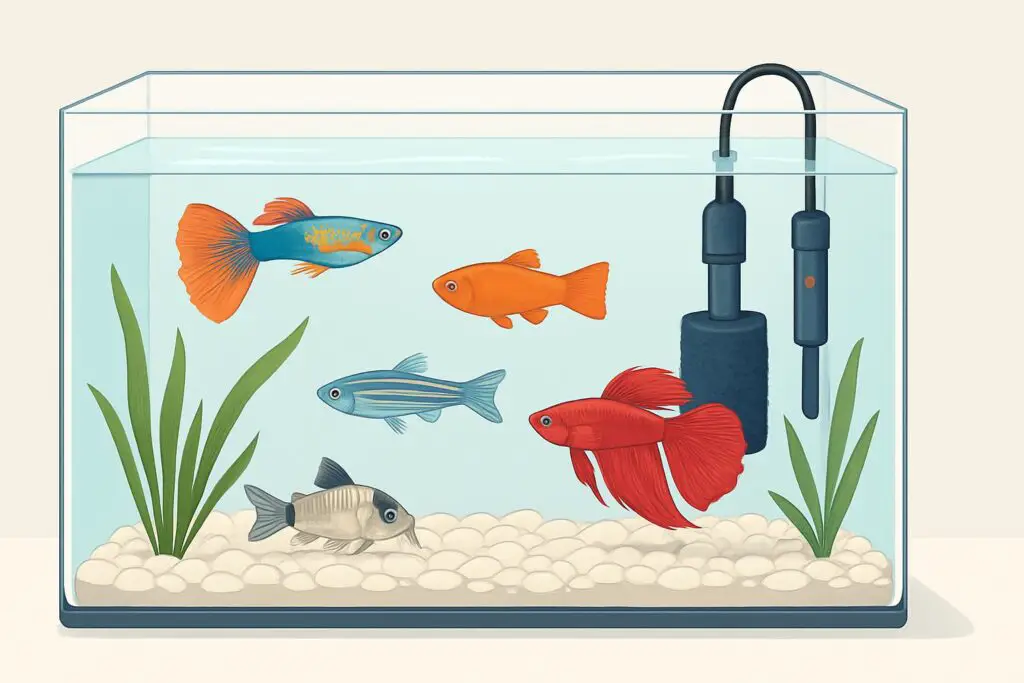
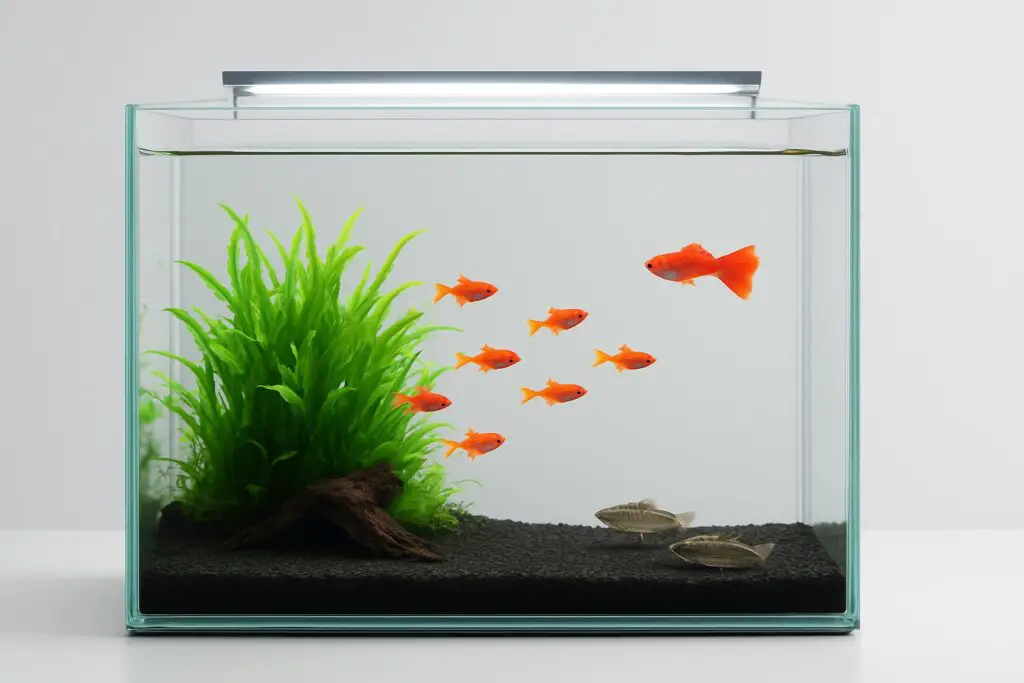
Creating a peaceful community tank takes planning, patience, and daily care. Choose compatible species, establish zones, and design micro-territories. Maintain stable water, moderate feeding, and calm lighting. Quarantine newcomers, acclimate gently, and rearrange to reduce bullying. Observe behavior, adjust habitats, and keep numbers balanced for a thriving, stress-free aquarium overall.

How can I ensure my community tank is peaceful | Guide Read More »

What’s the easiest Cichlid to start off with | Guide

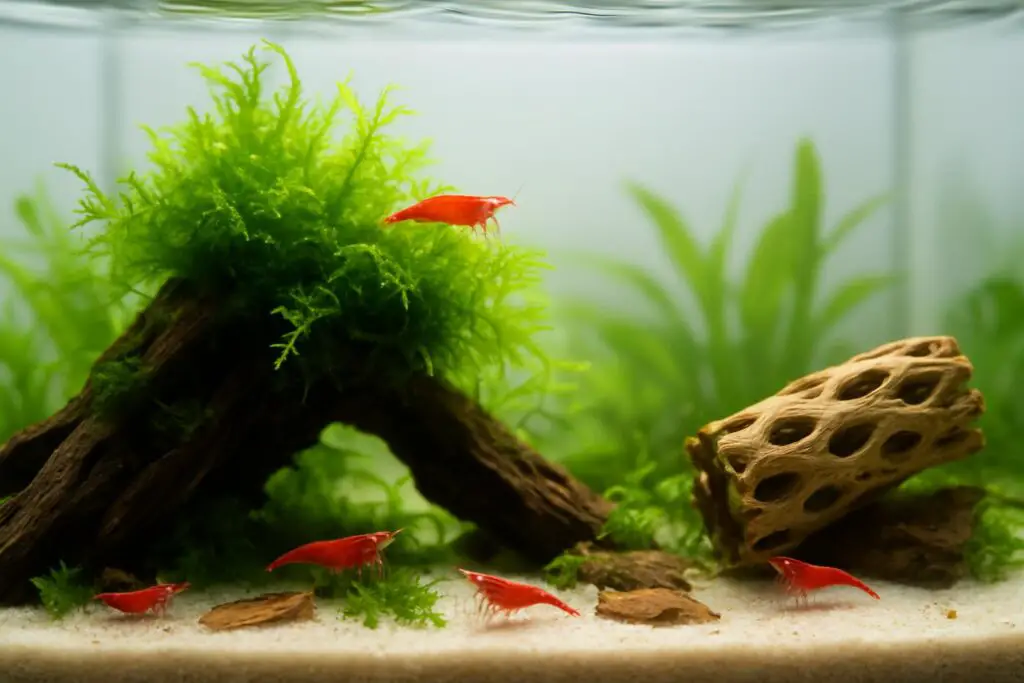
Choosing your first cichlid can be confusing. The Kribensis Pelvicachromis pulcher is highlighted as the easiest starter, thanks to hardiness, peaceful temperament, and forgiving water needs. This guide covers setup, cycling, compatible tankmates, feeding, and simple maintenance, plus backup options like Bolivian Rams, Keyholes, and Electric Yellows for beginner success.

What‚Äôs the easiest Cichlid to start off with | Guide Read More »

Why are Siamese Fighting fish popular and what’s the best way to take care of one | Guide

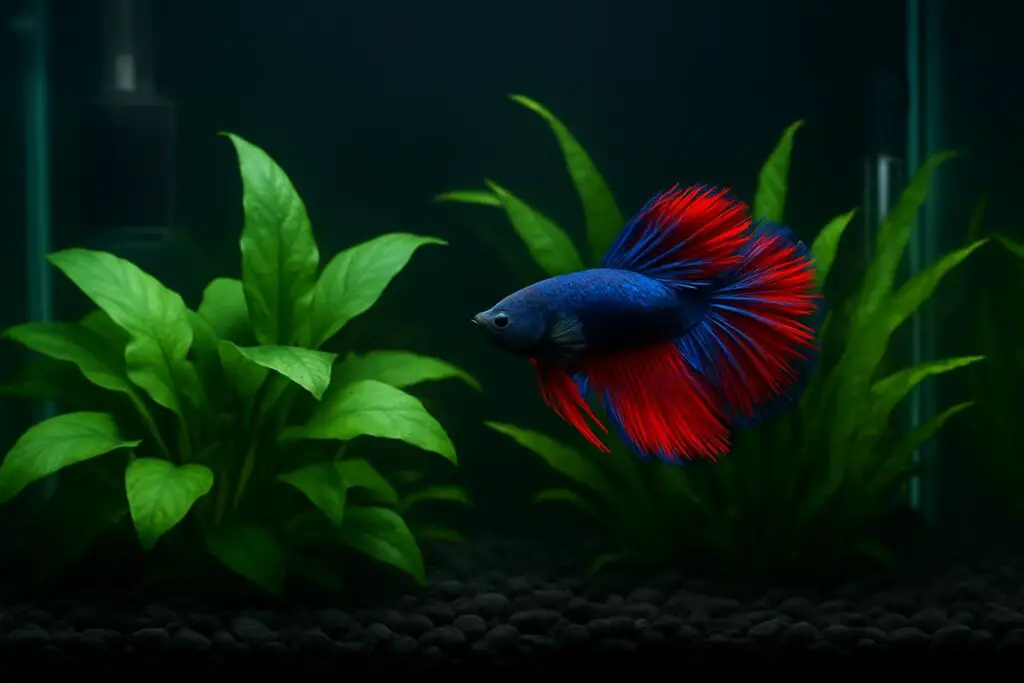
Siamese fighting fish, or bettas, captivate with electric colors, dramatic fins, and surprising personality. They breathe air, tolerate calmer water, and reward regular care. A five-gallon tank, stable heat, gentle filtration, plants, and consistent water changes support health. With enrichment and patience, a betta becomes a vivid, engaging home companion.

Why are Siamese Fighting fish popular and what‚Äôs the best way to take care of one | Guide Read More »

How do I calculate the volume of my aquarium/pond | Guide

Knowing the true volume of your aquarium or pond unlocks better fish health, precise dosing, proper equipment, fewer surprises. This beginner guide walks you through measuring inside dimensions, waterline, and converting between metric and imperial. Learn simple formulas, practical tips, and quick calculators to estimate volume for any shape accurately.

How do I calculate the volume of my aquarium/pond | Guide Read More »

What are gill flukes and how do I get rid of them | Guide

Gill flukes start small but quickly escalate unless caught early. This beginner guide explains what gill flukes are, how they spread, signs to spot, and proven treatments. Learn repeat dosing, quarantine practices, and oxygen rich water strategies to prevent reinfection and keep fish breathing easy in aquarium or pond today.

What are gill flukes and how do I get rid of them | Guide Read More »

How do I know if my water is too hard or too soft for my fish | Guide

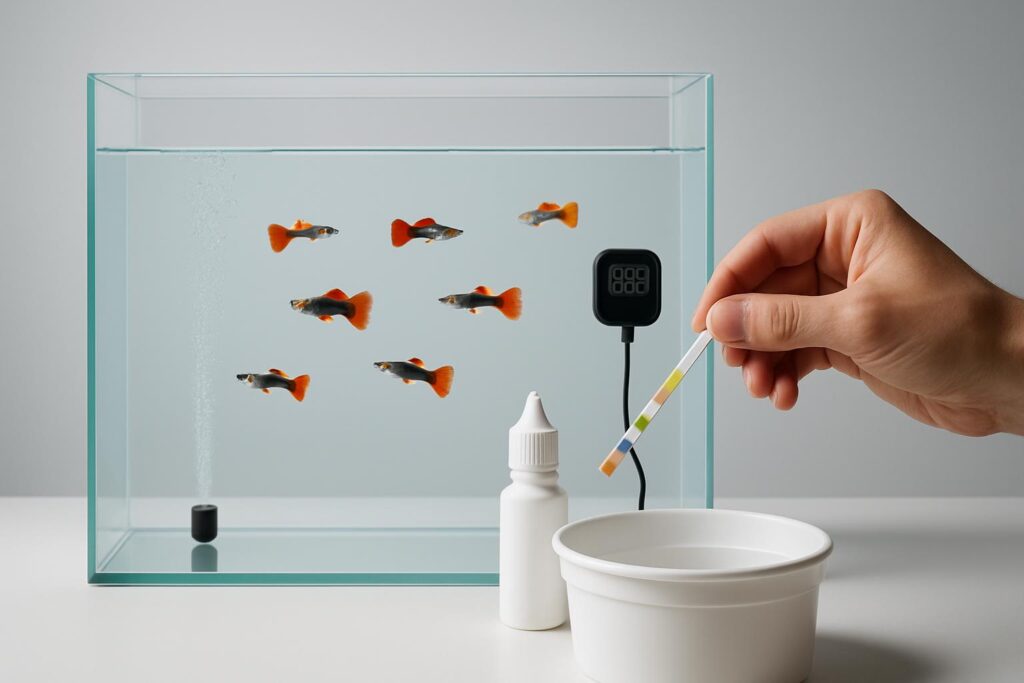
Understanding your aquarium water is the first step to healthy fish. Hardness (GH) and buffering (KH) shape pH stability, while TDS hints at minerals. Test regularly, observe signs, and adjust gradually with safe methods. With consistent mixes and logs, your tank supports vibrant fish, plants, shrimp, and snails for years.

How do I know if my water is too hard or too soft for my fish | Guide Read More »

Is it normal for fish to rub against rocks | Guide

Rubbing or flashing is common but can signal irritation from parasites, poor water quality, or stress. This guide helps beginners distinguish normal from abnormal rubbing, and provides a stepwise plan to diagnose, treat, and prevent problems in freshwater and saltwater tanks, including quick water checks and targeted remedies for hobbyists.

Is it normal for fish to rub against rocks | Guide Read More »

Why have the fish I just bought developed white spots | Guide

White spots on new fish are almost always a parasite called Ich, or its marine cousin. Quick action, accurate diagnosis, and a proper treatment plan save most fish. Start with water testing, decide quarantine or whole-tank treatment, and complete the full course. Prevention: quarantine newcomers and maintain stable tank conditions.

Why have the fish I just bought developed white spots | Guide Read More »