Why do I have to wait before I can put fish in my aquarium | Guide

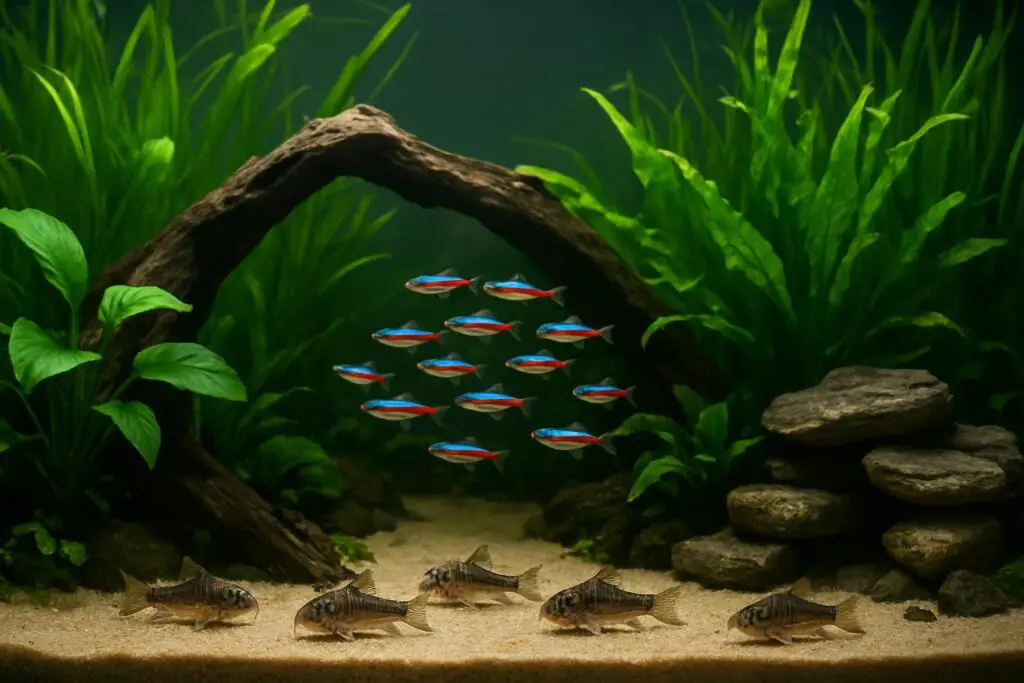
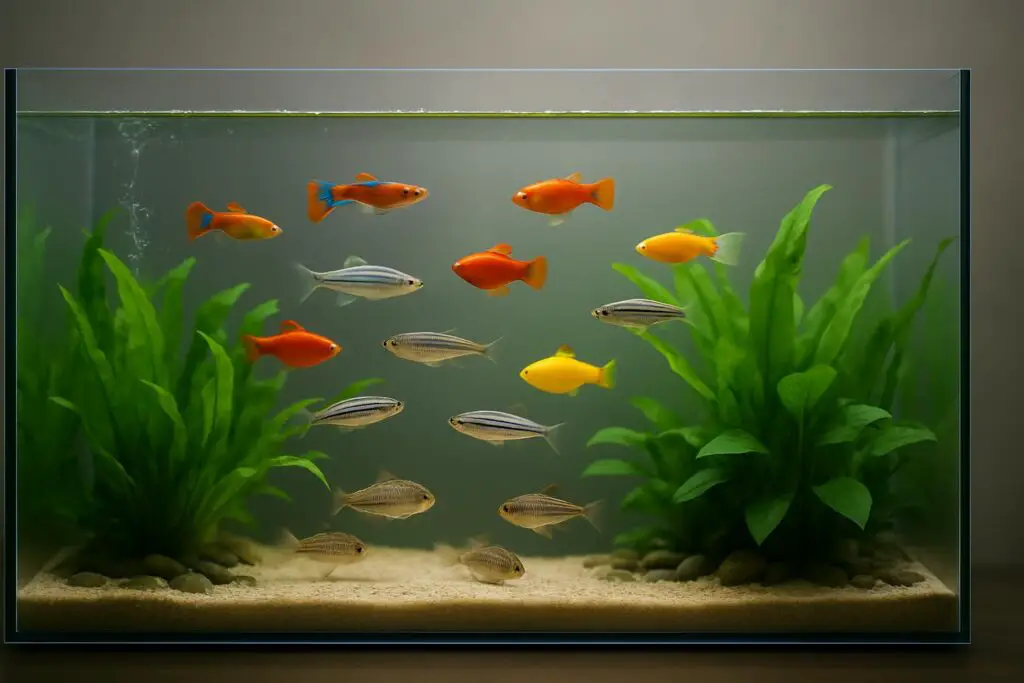
Setting up a new aquarium requires patience: cycles establish beneficial bacteria to neutralize ammonia and nitrite. Start with dechlorinated water, proper filtration, and temperature stability. Choose fishless cycling or a careful fish-in approach, test daily, and perform water changes. Only stock after 0 ammonia, 0 nitrite, and manageable nitrate levels.

Why do I have to wait before I can put fish in my aquarium | Guide Read More »

The only space I can put a fish tank is in a busy hallway and wanted to know if that is ok | Guide

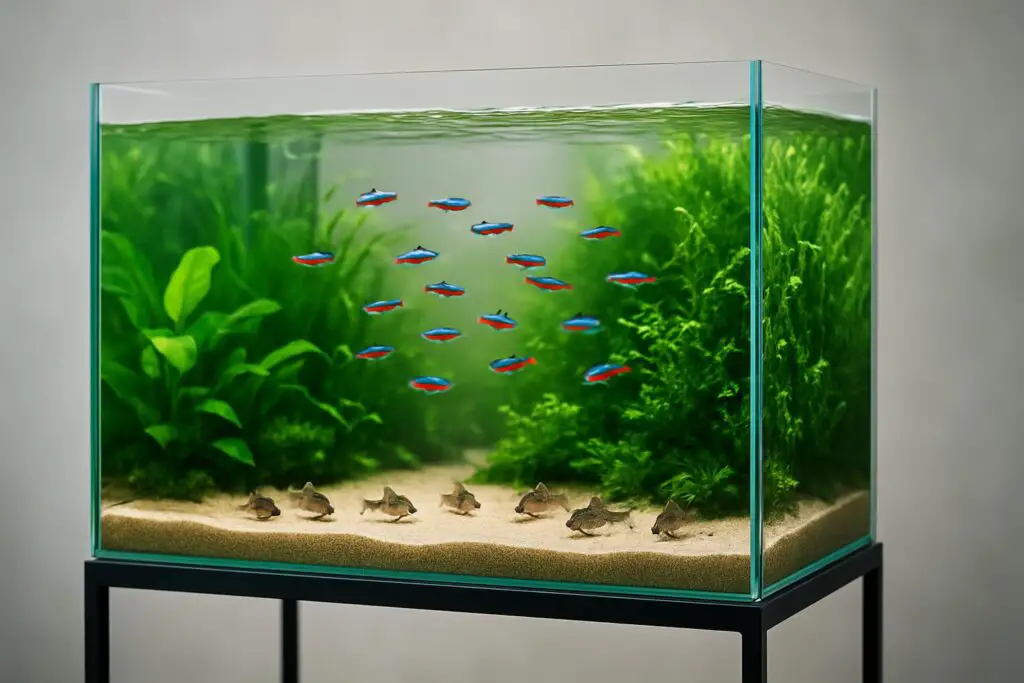
A busy hallway can host a fish tank, but only with careful planning. This guide highlights risks to safety, stability, and comfort, vibrations, drafts, shadows, and spills, and offers a practical step by step plan to create a hallway aquarium that thrives well without compromising safety for pets and people.

The only space I can put a fish tank is in a busy hallway and wanted to know if that is ok | Guide Read More »

Why are my fish gasping at the water’s surface | Guide

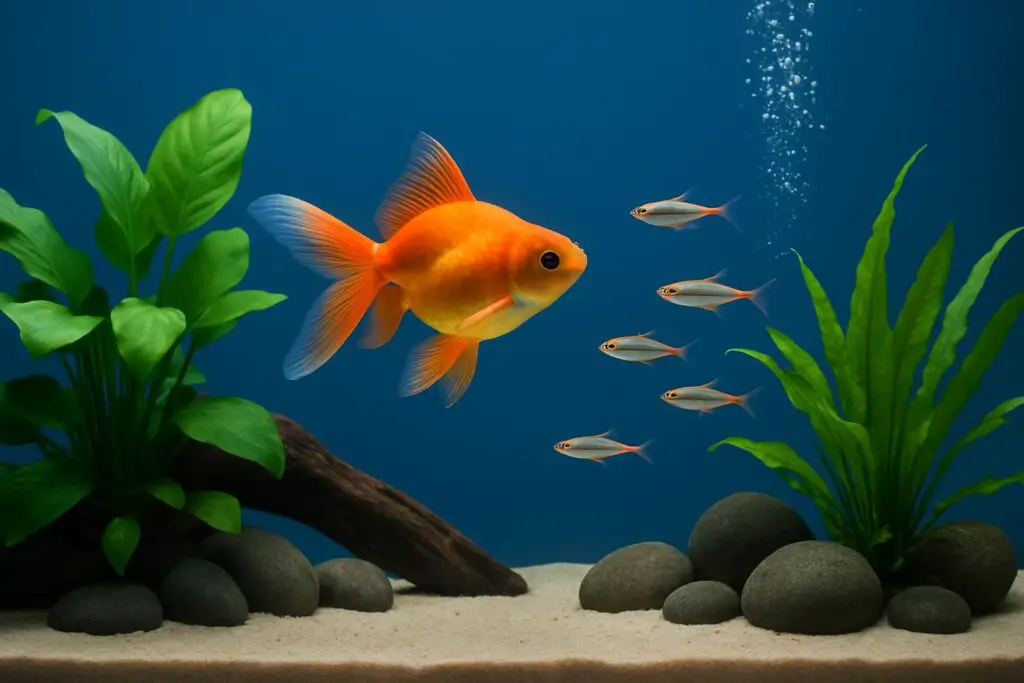
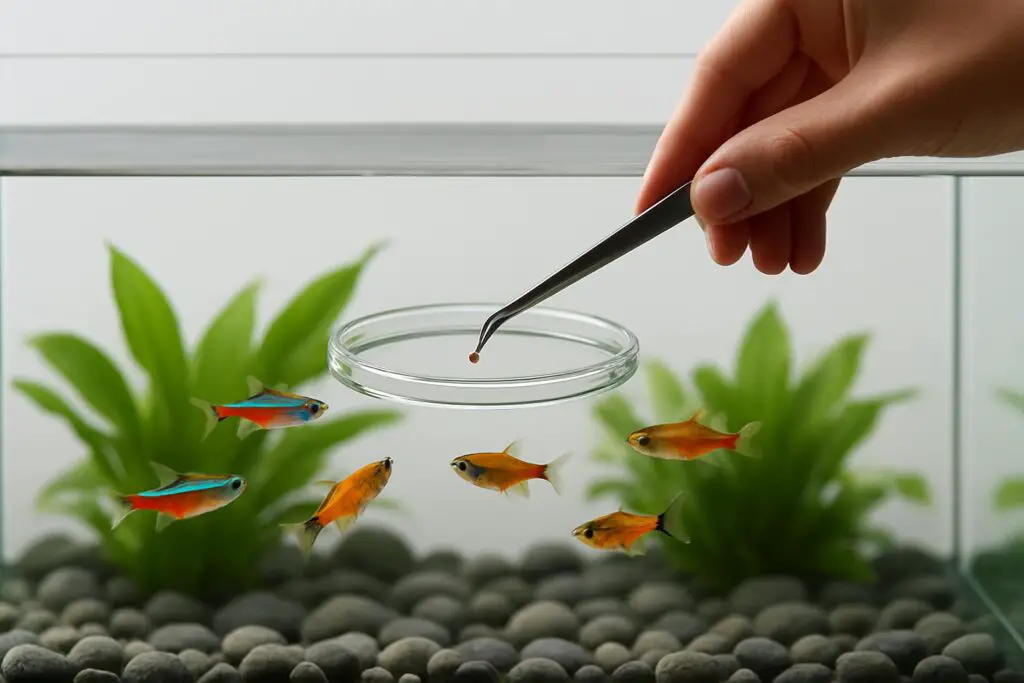
Gasping at the surface signals oxygen problems or water issues. Stay calm and act quickly: boost surface agitation, add aeration, and perform a 30–50% dechlorinated water change. Stop feeding for 24 hours. Then test ammonia, nitrite, nitrate, and temperature; fix filtration, temperature, and bioload to restore safe oxygen levels today.

Why are my fish gasping at the water‚Äôs surface | Guide Read More »

Is there a dominance hierarchy amongst corals | Guide

Corals aren’t governed by a universal ladder; they compete through guilds and context. Success depends on space, light, flow, and nutrients, plus strategies like sweepers, digestive filaments, shading, and allelopathy. By zoning, spacing, and vigilant night checks, hobbyists create peaceful, thriving mixed reefs with resilient neighbors that keep corals harmonious.

Is there a dominance hierarchy amongst corals | Guide Read More »

Apart from the zooxanthellae, how else do corals feed | Guide

Corals rely on zooxanthellae, but many species also feed on plankton, dissolved nutrients, and microbes. They catch prey with tentacles, trap particles with mucus, and even digest externally. In aquariums, match particle size, time feeds, and balance nutrients with filtration for healthier, faster-growing, colorful corals through careful observation and adjustment.

Apart from the zooxanthellae, how else do corals feed | Guide Read More »