How to Calculate Aquarium Volume | Litres & Gallons Guide

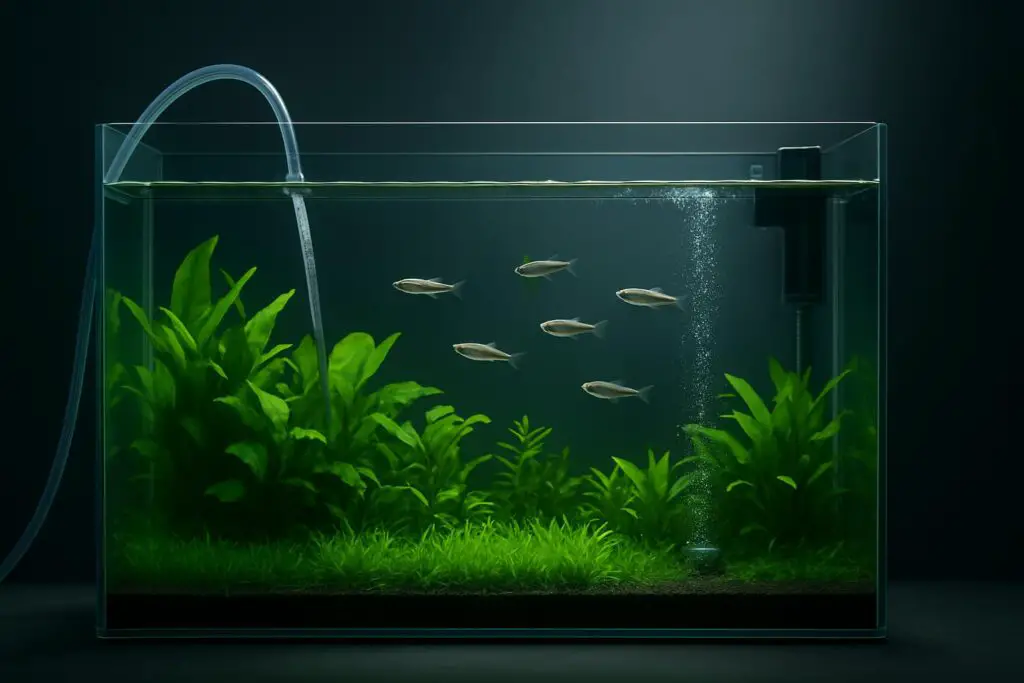
Knowing your true aquarium volume helps you stock safely, size equipment accurately, and dose medications correctly. This guide teaches beginner-friendly methods to calculate litres and gallons for common shapes, account for glass thickness, freeboard, and decorations, and avoid mistakes that skew measurements and compromise tank health for safer, steadier results.

How to Calculate Aquarium Volume | Litres & Gallons Guide Read More »

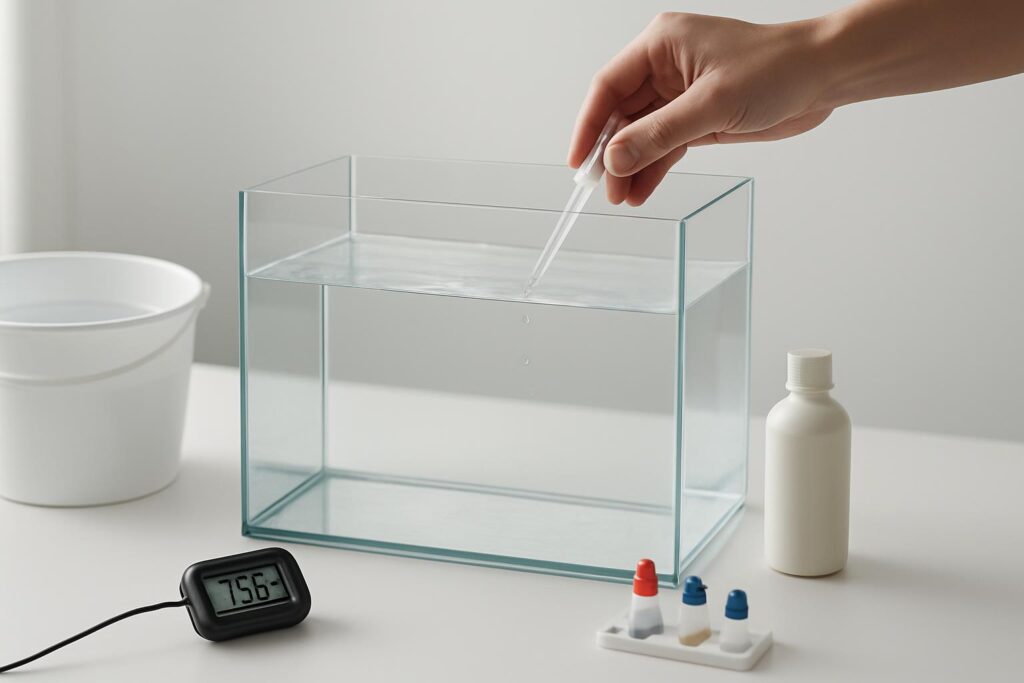
Why You Need to Test Aquarium Water | Essential Water Parameters

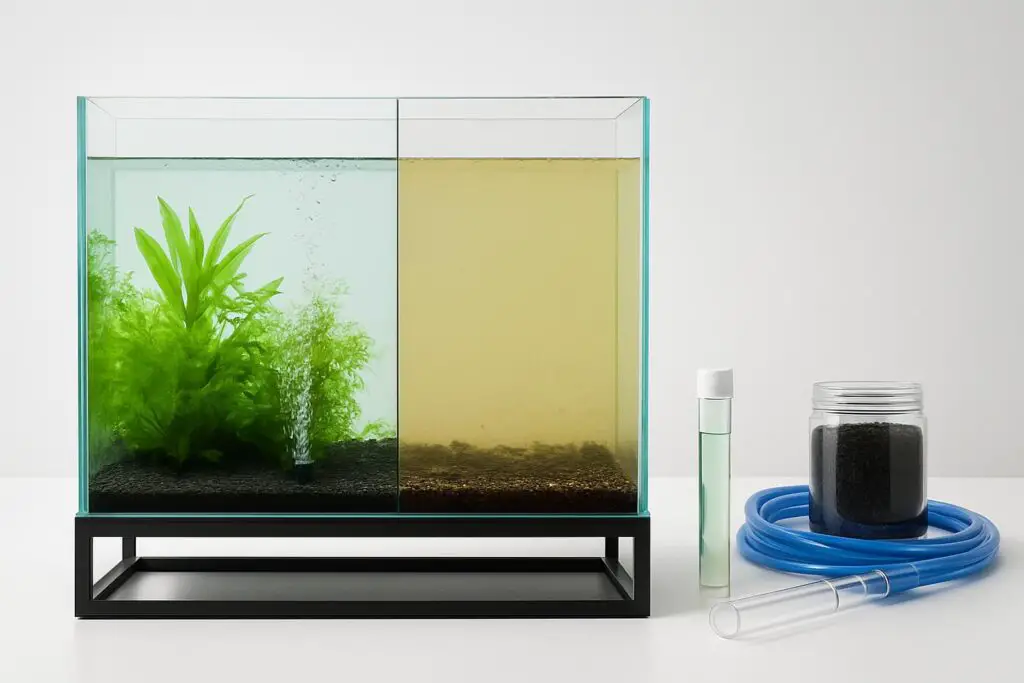
Clear water is not always safe: unseen toxins and imbalances quietly threaten fish and plants. Regular testing reveals problems early, supports the nitrogen cycle, and protects beneficial bacteria. This beginner guide covers what to test, how often, and practical steps to keep tanks stable, healthy, and stress-free for lasting success.

Why You Need to Test Aquarium Water | Essential Water Parameters Read More »

How to Test Water Hardness for Aquariums | GH & KH Guide

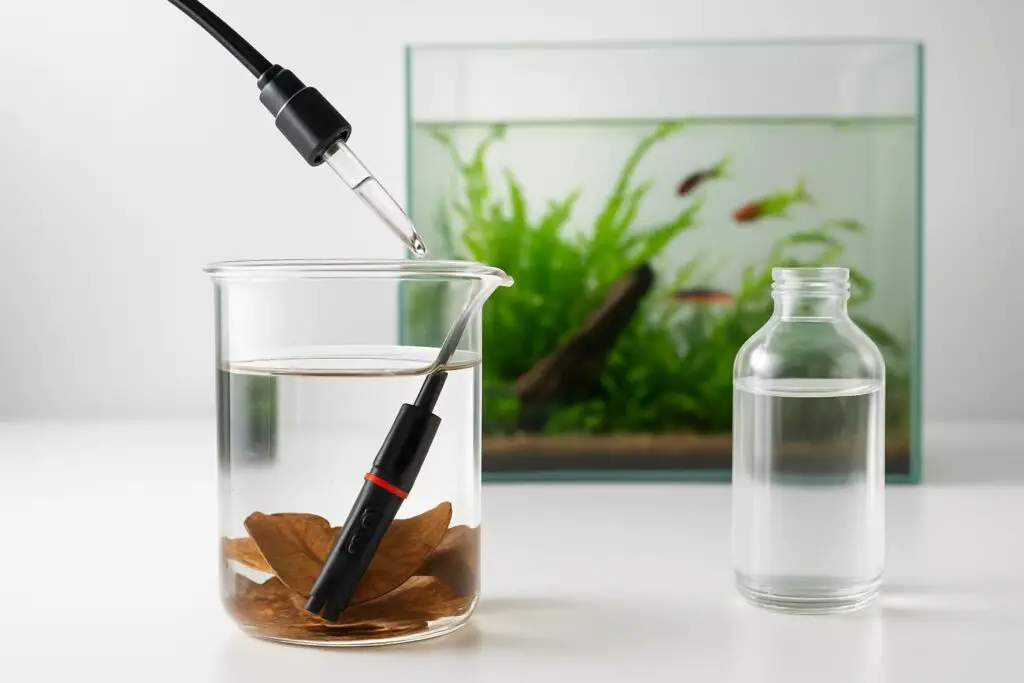
Clear water supports healthy fish and thriving plants. This guide explains GH (general hardness) and KH (carbonate hardness), how they affect pH stability, and why both matter. Learn simple testing methods, interpretation, and safe adjustments using buffers, RO water, or boosters, with slow, consistent changes for species-specific needs and goals.

How to Test Water Hardness for Aquariums | GH & KH Guide Read More »

Rainwater vs Tap Water for Aquariums | Safety & Risks

Choosing aquarium water matters most for fish, plants, and budgets. Tap water is safe when treated for chlorine and chloramine, predictable and quick. Rainwater is soft and potentially contaminated, requiring filtration and remineralization. Mixing waters offers balance. Test regularly, keep KH and GH stable, and change gradually for health outcomes.

Rainwater vs Tap Water for Aquariums | Safety & Risks Read More »

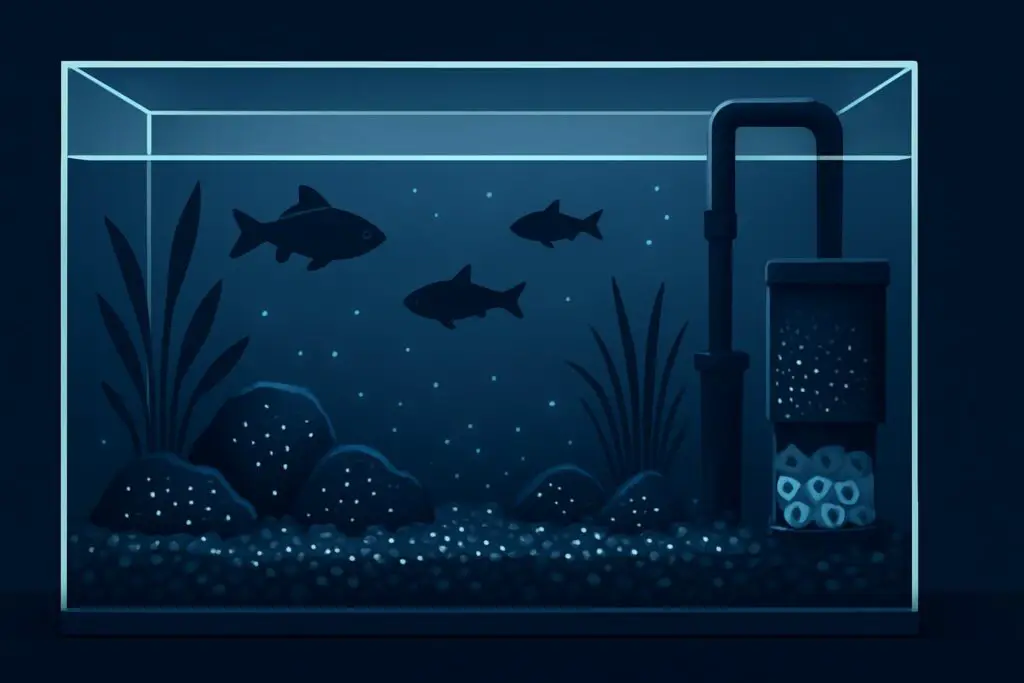
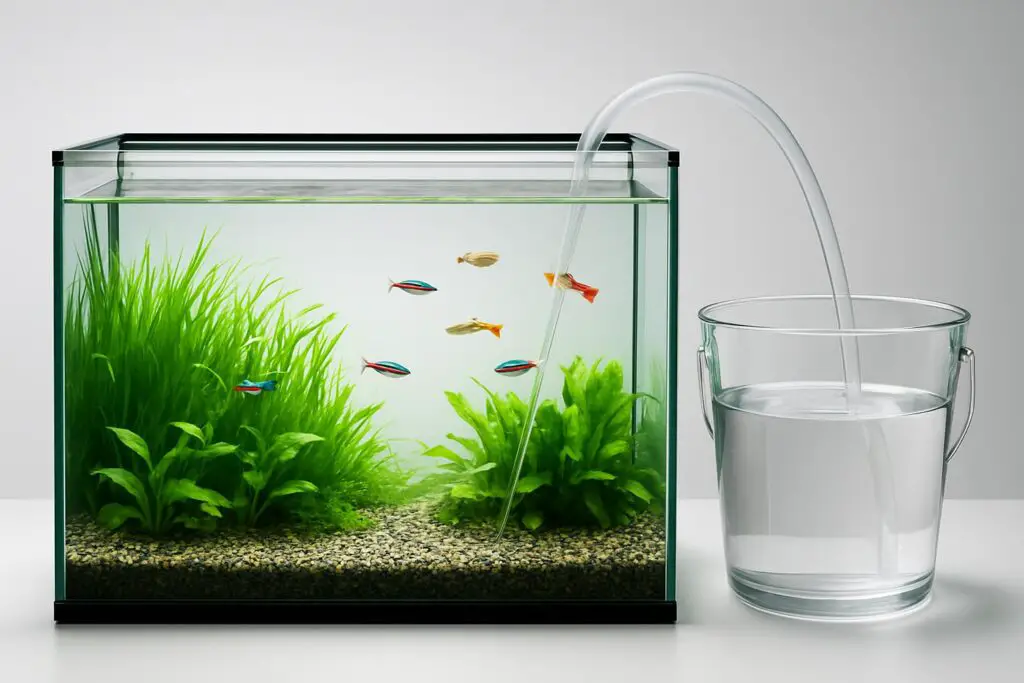
How to Reduce Nitrates in Aquariums | Water Quality Guide

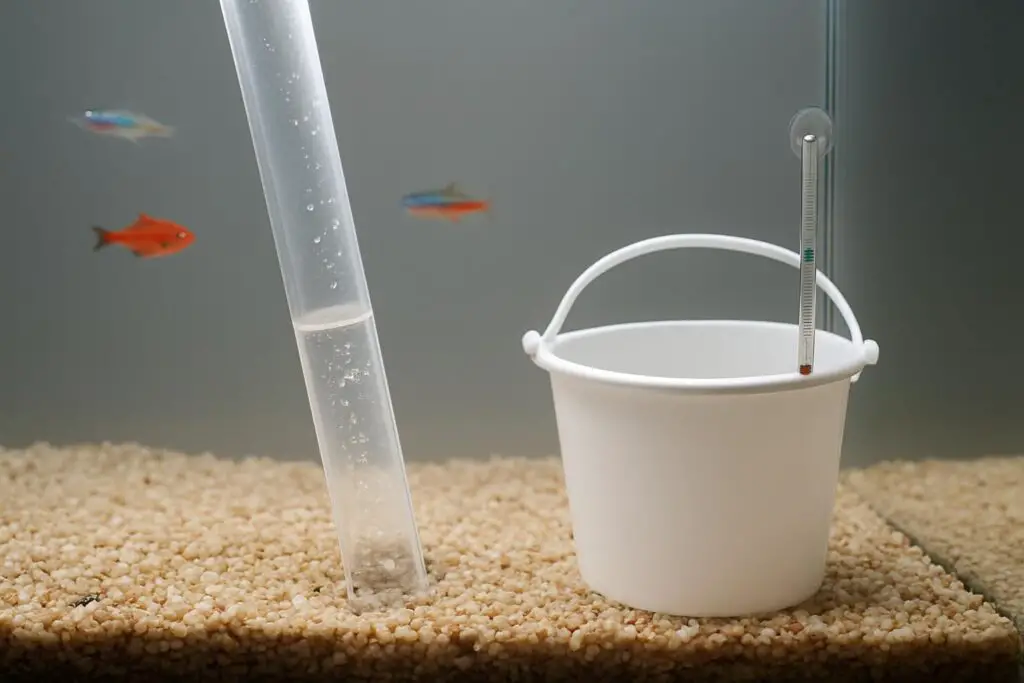
Nitrates are a common aquarium challenge. While not as immediately dangerous as ammonia, high nitrate stresses fish, fuels algae, and dulls the tank. This guide explains what nitrate is, why it rises, and beginner-friendly methods to lower and stabilize it through testing, controlled water changes, plants, macroalgae, and feeding habits.

How to Reduce Nitrates in Aquariums | Water Quality Guide Read More »

Cyanobacteria Bloom in Aquariums | Causes & Removal Guide

Cyanobacteria blooms frustrate aquarists, smothering plants, stalling filtration, and souring tank smell. This guide offers a beginner-friendly plan to address both slime and root causes: diagnose sources, remove blooms safely, and rebuild balance with nutrients, flow, light control, and regular maintenance, so algae stay in check and tanks stay healthy.

Cyanobacteria Bloom in Aquariums | Causes & Removal Guide Read More »