
We are reader supported. When you purchase through links on our site, we may earn an affiliate commission. Also, as an Amazon affiliate, we earn from qualifying purchases.
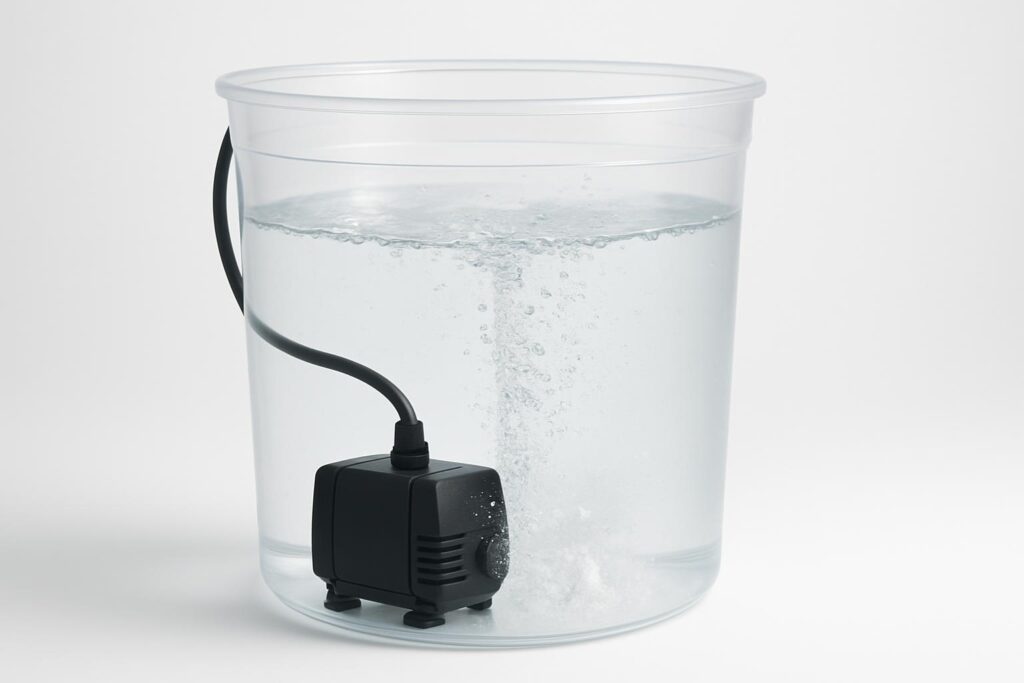
Clear, consistent saltwater starts with a good mixing pump. The right pump dissolves salt quickly, keeps the mix oxygenated, stabilizes temperature, and prevents undissolved pockets that can irritate corals and fish. Choose well and you shorten mixing time, reduce noise and heat, and avoid flimsy hardware that fails when you need it most.
Below you will find exactly what to look for in a mixing pump, practical setup steps for clean, stable saltwater, and six proven pumps that deliver. Each pick suits a specific use case, from small batches to large barrels, from simple AC workhorses to quiet, controllable DC pumps.
What a Mixing Pump Does and Why It Matters
A mixing pump does three important jobs during saltwater preparation:
It creates circulation so marine salt dissolves fully and evenly. It keeps the water moving to maintain oxygen and a stable temperature across the container. It saves time by speeding up dissolution, especially with salts that clump or mix at lower temperatures.
Use a heater to hit your target temperature, add salt per the manufacturer’s instructions, and let the pump run until crystal clear and stable. Most reef keepers run the pump for 12 to 24 hours depending on temperature, salt brand, and batch size.
How to Choose a Mixing Pump
Flow Rate and Container Size
For most buckets and barrels, aim for strong, even movement without blasting the walls. As a simple rule, a pump that can move several times your container volume per hour works well. Keep in mind that transfer height matters only if you intend to pump mixed water up and out through tubing into the tank or sump.
AC Utility vs DC Controllable
AC utility pumps are simple, durable, and cost-effective. DC pumps offer variable speed and very quiet operation. If you want to dial flow up for dissolving and down for a quiet hold, DC is convenient. If you just want a rugged tool that runs and runs, an AC utility pump is hard to beat.
Ease of Cleaning and Salt Creep Resistance
Salt deposits and calcium buildup will eventually reduce performance. Pick a pump with a simple impeller housing that opens easily for routine cleaning. Smooth internal surfaces and solid shafts help resist scaling and extend life between cleanings.
Noise and Heat
A little warmth from a submersible pump can help salt dissolve, but too much heat is not ideal. Look for a pump known for quiet operation and reasonable heat output. Rubber feet and flexible tubing further cut vibration.
Quick Setup for Clean, Stable Saltwater
Step-by-step
Rinse the new pump to remove factory dust. Place the pump at the bottom of your clean container. Fill with measured RO/DI water. Power the pump, then slowly add salt. Avoid pouring salt onto a stationary heater. Let the pump run until the water is clear and reaches your target temperature and salinity. Most batches stabilize within 12 to 24 hours. Verify salinity with a calibrated refractometer before use.
Safety and Practical Tips
Use a GFCI outlet and a drip loop. Keep the controller of any DC pump dry. If you plan to pump mixed water to your tank, add a length of flexible tubing to the pump outlet and test head height before a water change.
The 6 Best Aquarium Mixing Pumps for Saltwater Preparation
1) Cobalt Aquatics MJ1200 Powerhead and Utility Pump
This classic workhorse is a staple in mixing stations. It is compact, versatile, and known for reliable starts and long service life. You can run it as a submersible utility pump with tubing or as a powerhead for broad mixing in small to mid-size containers.
Why it helps: Strong, focused flow for fast dissolution in buckets and 20 to 32 gallon barrels. Simple design, easy to clean, and widely used in the hobby.
Best for: Small to medium batches where you want one pump that can both mix and transfer water with a short hose.
Setup tips: Point the output across the barrel wall to create a circular flow. If transferring water, secure tubing with a clamp and prime the line while the pump is running.
Potential downsides: Not the quietest option, and it can run warm if the barrel is tightly sealed without ventilation.
2) Sicce Syncra Silent 2.0
The Syncra Silent series is valued for quiet operation, solid build quality, and dependable performance. The 2.0 model offers strong flow for rapid mixing in mid-size barrels and remains impressively quiet for continuous runs.
Why it helps: Quiet, smooth operation keeps your mixing station unobtrusive. The housing opens easily for routine cleaning, which is important with salt mixes that leave residue.
Best for: Hobbyists who prioritize noise control and want a long-term, low-maintenance mixer for medium to large batches.
Setup tips: Use the included rubber feet to reduce vibration. Orient the outlet to create a circular gyre around the drum’s perimeter.
Potential downsides: Higher upfront cost than many utility pumps, and outlet sizes may require adapters to match your preferred tubing.
3) Jebao DCP 3000 Sine Wave DC Return Pump
For those who want adjustable power and very quiet operation, a small DC return pump like the DCP 3000 is a strong choice. Variable speed helps tailor flow for fast dissolving at the start and gentle circulation while the batch holds at temperature.
Why it helps: Tunable flow and quiet running. Easy to add tubing for transferring water to your sump or display, and you can reduce speed for a drip-free finish.
Best for: Mixing stations where you want one pump to both mix and handle water change transfers with control over flow.
Setup tips: Mount the controller above splash level and keep all electrical components dry. Begin at moderate speed during salt addition, then increase to speed up dissolution as needed.
Potential downsides: More electronics near water means you must manage cables and moisture carefully. The controller needs a dry, protected spot.
4) Danner Supreme Mag-Drive 5
The Mag-Drive line is known for rugged longevity. The Mag 5 has strong, focused output that spins barrels well and enough pressure to push water through moderate lengths of hose for transfers. It is a durable pick for long-term mixing stations.
Why it helps: Proven reliability, solid build, and strong flow for fast mixing. It can double as a transfer pump with appropriate tubing and hose clamps.
Best for: Hobbyists who want a tough, set-and-forget AC utility pump for frequent water changes and larger batch sizes.
Setup tips: Use a short section of flexible tubing to isolate vibration. Clean the impeller and housing periodically to prevent calcium buildup.
Potential downsides: Louder hum than many DC options and more heat output. Ensure adequate ventilation of the container area and monitor temperature.
5) Rio Plus 1700 Utility Pump
Rio Plus pumps offer strong performance for the price and come with adapters that make them flexible in mixing stations. The 1700 size is well-suited for brisk circulation in 20 to 44 gallon containers.
Why it helps: Good value, strong output, and simple parts make it easy to adapt for both mixing and transfer tasks.
Best for: Reef keepers who want a budget-friendly AC pump that still has the muscle to handle faster dissolving and short transfer runs.
Setup tips: Position the output to push water around the barrel, not straight up. Check and clean the impeller periodically to maintain smooth starts.
Potential downsides: Like many utility pumps, it can be sensitive to debris and scale. Regular cleaning keeps performance stable.
6) Hydor Koralia Evolution 1150 Circulation Pump
Not every mixing job requires a utility pump with tubing. A dedicated circulation powerhead like the Koralia Evolution moves a wide, gentle stream that dissolves salt quickly without blasting the container floor. It excels as a dedicated mixer in a static station.
Why it helps: Broad flow pattern reduces dead spots and helps prevent salt from clumping on the bottom. Very simple to deploy and maintain.
Best for: Hobbyists who keep a separate transfer solution or do manual transfers, and just want reliable, quiet mixing inside the barrel.
Setup tips: Mount it midway up the sidewall to create a slow, rolling gyre. Pair with a small heater for temperature stability and faster clearing.
Potential downsides: Not designed for head pressure or pumping water up and out. No barbed outlet for tubing, so you may still need a second pump for transfer.
Which One Should You Get
If you want simple and proven
Choose the Cobalt Aquatics MJ1200 or the Rio Plus 1700. Both are straightforward AC pumps that mix quickly and can handle short transfer runs.
If noise is your top concern
Pick the Sicce Syncra Silent 2.0. It is a quiet, durable choice for continuous runs and medium to large containers.
If you want variable speed and low noise
Go with the Jebao DCP 3000. It gives you adjustable power for dissolving, holding, and gentle transfer with less splashing.
If you want rugged hardware for the long haul
The Danner Mag-Drive 5 is a dependable workhorse with solid transfer capability.
If you only need mixing, not pumping out
The Hydor Koralia Evolution 1150 is a clean, quiet way to maintain steady circulation inside a barrel or brute can.
Care and Maintenance for Long Pump Life
Routine cleaning
Salt and calcium accumulate on the impeller, shaft, and housing. Every few weeks, disassemble the pump and soak parts in a mild vinegar solution, then rinse thoroughly. This keeps starts reliable and flow consistent.
Prevent dry runs
Never run the pump dry. Keep the intake clear of bags, cords, or salt piles. Use a pump strainer if your container collects debris.
Manage cables and moisture
Use drip loops and keep all connections above water level. For DC pumps, mount controllers away from splashes.
Common Mixing Mistakes to Avoid
Adding salt before starting the pump
Always start circulation first, then add salt slowly. This prevents clumps and localized high salinity that can etch heaters or create precipitate.
Ignoring temperature
Cold water mixes slowly and may not clear fully. Use a heater to reach target temperature for faster, more consistent results.
Skipping salinity verification
Measure with a calibrated refractometer before each water change. Even with the same brand and scoop, small variances add up.
Conclusion
A good mixing pump saves time, improves consistency, and lowers frustration. Choose a model that matches your container size, noise tolerance, and whether you want to also transfer water with the same pump. AC utility pumps deliver simple strength and value. DC pumps add quiet, controllable flow. A circulation powerhead can be all you need if you only want in-barrel mixing. Pair your choice with a heater, run it until clear and stable, and keep it clean. Your corals and fish will reward the effort with stable health and growth.
FAQ
Q: Do I need a powerful pump to mix saltwater?
A: Not necessarily. For most buckets and barrels, aim for strong, even movement without blasting the walls, and choose a pump that moves several times your container volume per hour.
Q: How long should I run the pump while mixing?
A: Most reef keepers run the pump for 12 to 24 hours depending on temperature, salt brand, and batch size, then verify salinity before use.
Q: Can I use a circulation powerhead instead of a utility pump?
A: Yes. A circulation powerhead creates broad flow for fast dissolution, but it is not designed for head pressure or pumping water up and out through tubing.
Q: When is a DC controllable pump worth it?
A: If you want adjustable power and very quiet operation, a DC pump lets you dial flow for dissolving, holding, and gentle transfer with less splashing.
Q: What maintenance keeps a mixing pump reliable?
A: Disassemble and soak parts in a mild vinegar solution every few weeks, rinse thoroughly, avoid dry runs, and keep cables with drip loops and controllers dry.